
 Business License

Magnetic Shielding Materials: A Complete Guide for Industrial Applications
When Dr. Lin Mei powered up her new precision current sensor prototype in April 2026, the readings fluctuated wildly. Her team had spent eight months perfecting the design, yet ambient magnetic interference from a nearby power distribution panel was corrupting every measurement. The solution was not a redesign. It was a 2-millimeter-thick cylinder of high-permeability electromagnetic pure iron wrapped around the sensor housing. Noise dropped 94%. The product shipped on schedule.
Dr. Lin's experience illustrates why magnetic shielding materials matter. Engineers and manufacturers routinely overlook shielding until interference becomes a crisis. By then, retrofitting costs far more than designing it in from the start.
You already understand that electromagnetic interference (EMI) threatens equipment performance. What you need is a practical framework for selecting magnetic shielding materials that match your application, budget, and manufacturing constraints. This guide explains how shielding works, which materials excel in different scenarios, and how to specify the right grade for transformers, sensors, medical devices, and automotive systems.
You will learn the physics behind magnetic shielding, the performance differences between mu-metal, pure iron, and silicon steel, and how geometry and thickness influence effectiveness. We will also look at emerging demands from electric vehicles and renewable energy infrastructure that are reshaping the shielding materials market.
How Magnetic Shielding Actually Works
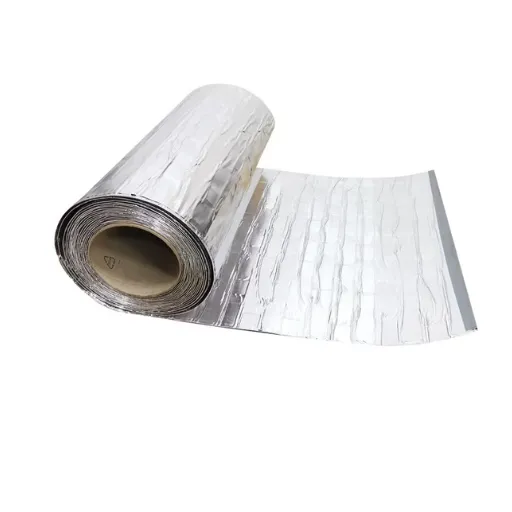
Magnetic shielding does not block magnetic fields in the way a wall blocks light. Instead, it redirects magnetic flux lines through a high-permeability path, offering stray field lines an easier route than the sensitive component sitting behind the shield. Think of it as creating a low-resistance bypass around the device you want to protect.
The effectiveness of this redirection depends on the shield material's relative permeability. Pure iron and specialized alloys like mu-metal achieve relative permeability values in the thousands to tens of thousands. By comparison, air has a relative permeability of approximately one. Field lines naturally prefer the path of least resistance, so they concentrate inside the shield wall rather than penetrating the interior cavity.
Want to explore which high-permeability pure iron grades work best for your shielding application? Browse our full range of electromagnetic pure iron products.
Shielding effectiveness also depends on geometry. A fully enclosed enclosure performs better than a partial shield because gaps become escape routes for magnetic flux. Multiple layers can outperform a single thick layer of the same total thickness because each layer progressively attenuates the field. Engineers designing for sensitive instrumentation often use nested shields with air gaps between layers to maximize attenuation without excessive weight.
Saturation induction presents another critical consideration. When external fields grow strong enough, even high-permeability materials can saturate. Once saturated, permeability drops sharply and the shield becomes ineffective. This is why power transformer tanks sometimes use multiple shielding strategies rather than relying on a single material barrier.
Types of Magnetic Shielding Materials
Selecting the right magnetic shielding material requires matching magnetic properties, frequency characteristics, and environmental demands to your specific application. Each material family offers distinct trade-offs between permeability, saturation, cost, and manufacturability.
High-Permeability Nickel-Iron Alloys (Mu-Metal)
Mu-metal and related nickel-iron alloys represent the gold standard for sensitive magnetic shielding. These materials achieve relative permeability values exceeding 50,000 after proper heat treatment. Such extreme permeability makes them ideal for shielding photomultiplier tubes, electron microscopes, and sensitive magnetometers where even nanotesla-level interference causes problems.
The trade-off is fragility and cost. Mu-metal requires careful annealing in hydrogen atmosphere after any forming or welding operation. Mechanical stress from bending or machining destroys the carefully ordered crystal structure that creates high permeability. Once formed, the part must be heat-treated again to restore performance. This processing sensitivity makes mu-metal expensive and limits its use to applications where performance justifies the premium.
For manufacturers weighing cost against sensitivity, mu-metal makes sense at the extreme low-field end of the spectrum. For moderate fields or applications where mechanical durability matters, other materials often deliver better value.
Electromagnetic Pure Iron
Electromagnetic pure iron offers one of the most cost-effective solutions for general-purpose magnetic shielding. Grades like DT4C achieve relative permeability above 10,000 with saturation induction around 2.15 Tesla. This combination provides excellent shielding performance across a broad range of field strengths while remaining significantly less expensive than nickel-iron alloys.
Pure iron's high saturation induction is a major advantage in industrial environments. Where mu-metal might saturate under moderate fields, pure iron continues to provide effective redirection. Transformer enclosures, magnetic chucks, relay housings, and motor end bells all benefit from pure iron shielding that handles real-world field strengths without degradation.
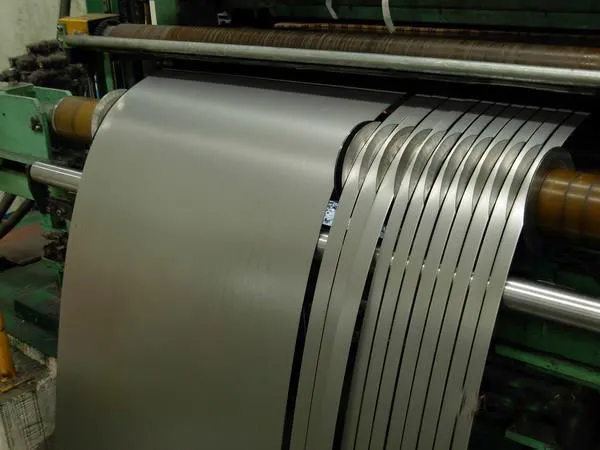
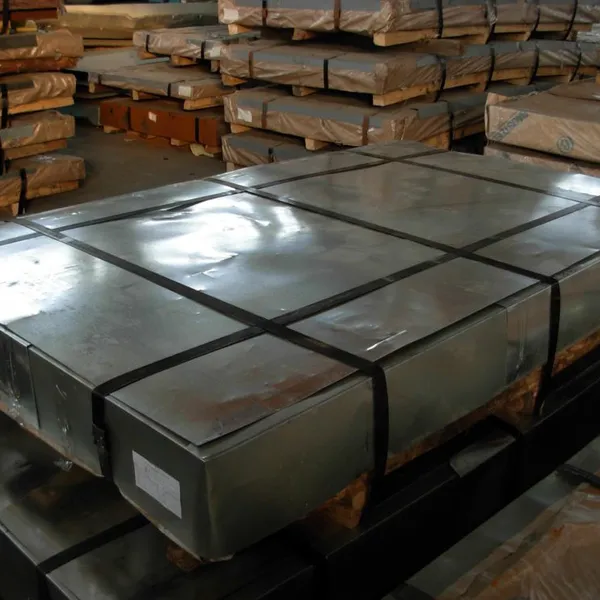
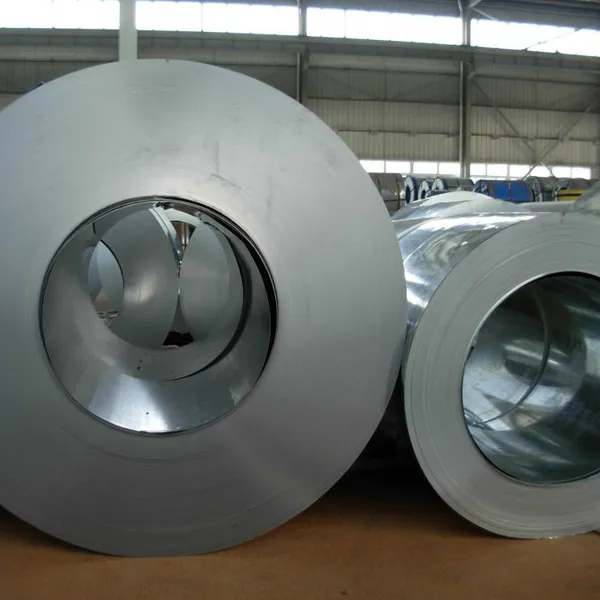
Additionally, pure iron is mechanically robust and does not require delicate post-forming heat treatment. Manufacturers can stamp, bend, machine, and weld pure iron shielding components using standard fabrication techniques. Our DT4C electromagnetic pure iron is available in cold-rolled sheets, slit coils, and custom-cut formats that feed directly into stamping and forming lines, reducing fabrication lead times and material waste.
Need shielding components cut to exact dimensions for your production line? Our custom pure iron processing services include precision slitting, cut-to-length, and surface preparation.
Silicon Electrical Steel
Silicon steel dominates the power frequency shielding market. Adding 1% to 4% silicon to iron increases electrical resistivity, which suppresses eddy current losses in alternating magnetic fields. Grain-oriented silicon steel achieves particularly favorable magnetic properties in the rolling direction, making it the material of choice for transformer core laminations and magnetic shields operating at 50 Hz or 60 Hz.
For shielding applications, silicon steel works best at power frequencies where eddy current losses would otherwise degrade performance in unalloyed iron. Large power transformers often incorporate silicon steel shielding plates to reduce stray flux that would otherwise heat structural steel and nearby equipment. The material's lower permeability compared to pure iron or mu-metal limits its usefulness for low-frequency DC or quasi-DC shielding, but at line frequencies it delivers an excellent balance of performance and cost.
Soft Ferrites
Soft ferrites are ceramic materials composed of iron oxide mixed with manganese, zinc, or nickel. Their extremely high electrical resistivity essentially eliminates eddy current losses, making them indispensable for high-frequency shielding above roughly 10 kHz. Switching power supplies, radio frequency equipment, and telecommunications hardware all rely on ferrite shields, cores, and EMI suppression components.
The limitation is low saturation induction and mechanical brittleness. Ferrites cannot handle strong magnetic fields, and they fracture under impact or tensile stress. They serve primarily as absorptive shields and core materials rather than structural enclosures. For mixed-frequency environments, engineers often combine ferrite components with metallic shields to cover both high and low frequency interference.
Nanocrystalline and Amorphous Alloys
Nanocrystalline alloys represent the newest class of soft magnetic materials entering the shielding market. Produced through rapid solidification and controlled crystallization, these materials combine permeability comparable to mu-metal with higher saturation induction and better mechanical stability. They also maintain performance over wider temperature ranges than conventional nickel-iron alloys.
Amorphous metal tapes offer another emerging option. These materials lack crystalline structure entirely, which eliminates magnetocrystalline anisotropy and enables extremely low coercivity. While amorphous alloys have not yet displaced traditional shielding materials in most applications, they are gaining traction in specialized aerospace and defense shielding where weight and performance constraints are most demanding.
Key Properties That Drive Shielding Performance
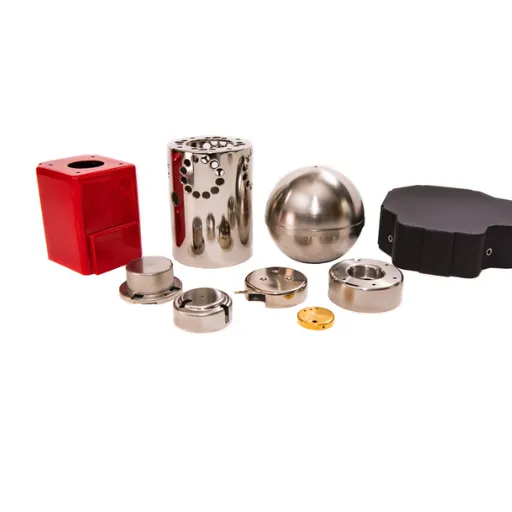
Engineers specifying magnetic shielding materials must evaluate several interconnected properties. No single parameter tells the complete story. Understanding how these characteristics interact prevents costly specification errors.
Initial and Maximum Permeability
Permeability measures how easily a material supports magnetic flux. Initial permeability describes behavior at very low field strengths, while maximum permeability indicates the peak achievable under moderate excitation. For shielding sensitive instruments against weak stray fields, initial permeability matters most. For shielding power equipment where moderate fields are expected, maximum permeability and saturation behavior dominate.
Electromagnetic pure iron grades like DT4C deliver maximum permeability above 10,000, which provides strong shielding across typical industrial field ranges. In applications requiring even higher initial permeability, annealed mu-metal or nanocrystalline alloys may justify their additional cost.
Saturation Induction
Saturation induction defines the maximum flux density a material can carry. Beyond this point, additional external field penetrates the shield rather than being redirected. Pure iron saturates at approximately 2.15 Tesla, among the highest values available in commercial soft magnetic materials. This property makes pure iron particularly effective in environments with stronger magnetic fields where mu-metal would saturate and lose effectiveness.
When Elena Vasquez designed shielding enclosures for a new generation of industrial welding power supplies, she tested both mu-metal and pure iron prototypes. The mu-metal performed beautifully on the bench with low-level test fields. In the actual factory environment, where welding currents generated intense localized fields, the mu-metal saturated and shielding effectiveness collapsed. Her pure iron prototype maintained consistent performance. The project moved forward with electromagnetic pure iron shielding, saving both cost and reliability risk.
Coercivity and Remanence
Coercivity measures the field required to demagnetize a material after saturation. Low coercivity means the shield responds dynamically to changing fields without retaining unwanted magnetization. Remanence describes residual magnetization that remains after an external field is removed.
For AC shielding applications, low coercivity reduces hysteresis losses and prevents distortion of the shielding response. For DC or slowly varying fields, remanence becomes relevant because a shield with high remanence can itself become a source of stray field after exposure to strong magnetization. Proper material selection and optional degaussing procedures address this concern in critical applications.
Electrical Resistivity
Electrical resistivity influences shielding behavior in alternating fields. Low resistivity permits eddy currents that oppose changing magnetic flux, which can enhance shielding at higher frequencies but also generates heat and reduces effective permeability. Pure iron has moderate resistivity, which helps in certain AC shielding scenarios without the extreme eddy current suppression of silicon steel or the near-infinite resistivity of ferrites.
For static or slowly varying magnetic fields, resistivity matters less than permeability and saturation induction. This is why pure iron excels in DC magnetic shielding for relays, sensors, and instruments where the interference source is steady or low frequency.
Industrial Applications of Magnetic Shielding Materials
Magnetic shielding serves critical functions across industries where electromagnetic interference threatens performance, safety, or regulatory compliance. Understanding how different sectors apply shielding materials helps identify the right specification for your project.
Power Generation and Distribution Equipment
Large power transformers generate substantial stray magnetic fields that can overheat structural steel, induce currents in nearby conductors, and interfere with control electronics. Transformer tanks often incorporate magnetic shields made from silicon steel or pure iron to contain flux within the equipment footprint. Proper shielding reduces losses, prevents adjacent equipment damage, and helps facilities meet electromagnetic compatibility regulations.
Switchgear, busbars, and reactor enclosures also benefit from strategic shielding. As power grids incorporate more renewable generation and power electronic converters, harmonic-rich magnetic environments create new shielding challenges that traditional line-frequency designs must address.
Medical Imaging and Diagnostic Equipment
Magnetic resonance imaging (MRI) systems represent the most extreme magnetic shielding application in medicine. The superconducting magnets in MRI scanners generate fields measured in Tesla, and stray fields must be carefully contained to protect patients and staff. Passive shielding using steel or iron plates supplements active shimming coils to shape and contain the magnetic field within designated zones.
Smaller medical devices face subtler shielding demands. Pacemakers, infusion pumps, and patient monitors must resist interference from surgical equipment, communication devices, and building infrastructure. Precision current transformers and magnetic sensors in diagnostic instruments require shielding to maintain measurement accuracy in electrically noisy hospital environments.
Electric Vehicles and Automotive Electronics
The electrification of transportation is driving unprecedented demand for magnetic shielding materials. Electric vehicle motors generate intense magnetic fields that can interfere with battery management systems, inverters, and autonomous driving sensors. High-voltage busbars and charging infrastructure add additional electromagnetic complexity.
Automotive shielding must also satisfy severe weight and space constraints. Manufacturers are exploring high-permeability thin-gauge materials, multilayer shields, and integrated shielding designs that combine structural and magnetic functions. Pure iron and silicon steel remain primary materials for motor housings and inverter enclosures due to their proven performance and cost structure.
Looking for pure iron materials optimized for EV component shielding? Our DT4C pure iron specifications include thin-sheet formats ideal for lightweight magnetic enclosures.
Aerospace and Defense Systems
Aircraft and spacecraft contain dense concentrations of navigation, communication, and control electronics operating in close proximity. Magnetic shielding prevents interference between systems and protects sensitive magnetometers used for attitude determination and navigation. Defense applications extend to shielding of secure communications equipment, electronic warfare systems, and precision weapon guidance.
Weight sensitivity in aerospace drives interest in nanocrystalline alloys and advanced composites that achieve comparable shielding with lower mass. However, traditional pure iron and silicon steel still serve extensively in ground-based systems, shipboard equipment, and applications where weight is less critical than cost and reliability.
Industrial Automation and Robotics
Factory automation depends on precise motor control, position sensing, and signal processing. Magnetic encoders, resolvers, and Hall-effect sensors all require protection from stray fields generated by motors, welders, and induction heaters. Robotic systems with tightly integrated motor and controller packages increasingly incorporate magnetic shielding as standard design practice.
When Marcus Okafor commissioned a new automated assembly line for relay manufacturing in early 2026, he initially omitted magnetic shields around his precision pick-and-place robots. Within two weeks, positioning errors spiked every time a nearby induction heating station cycled on. After installing pure iron magnetic shields around the robot controllers, positioning repeatability returned to specification. The retrofit cost three times what integrated shielding would have cost during original design.
Selecting the Right Magnetic Shielding Material
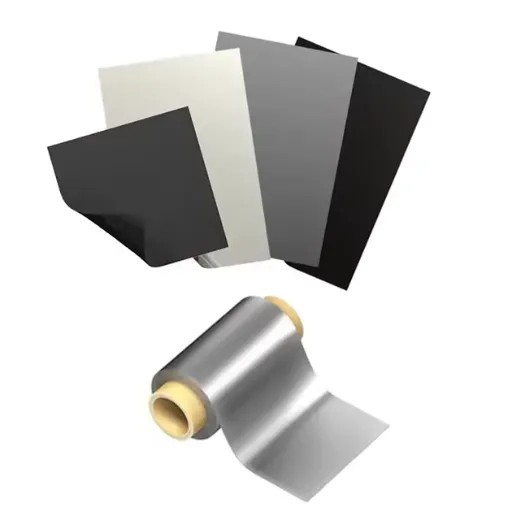
Choosing magnetic shielding materials involves balancing magnetic performance, physical requirements, manufacturing constraints, and cost. A systematic evaluation prevents the common mistake of overspecifying expensive materials for straightforward applications or underspecifying and suffering inadequate shielding.
Step 1: Define the Threat Environment
Start by characterizing the magnetic fields your equipment will encounter. Measure or estimate field strength, frequency spectrum, and spatial distribution. Identify whether the threat is primarily DC, low-frequency AC, high-frequency switching noise, or a combination. Document any regulatory or safety standards that specify emission or immunity limits.
Step 2: Set Shielding Effectiveness Targets
Determine the required attenuation level. Sensitive scientific instruments may need 60 dB or more of attenuation. Industrial motor enclosures may need only 10-20 dB to prevent interference with nearby controls. Your target drives material selection, thickness, geometry, and whether single or multilayer construction is warranted.
Step 3: Match Material to Application
For extreme sensitivity and weak fields, consider mu-metal or nanocrystalline alloys. For general industrial shielding against moderate fields, electromagnetic pure iron offers an outstanding balance of permeability, saturation, and cost. For power-frequency applications with significant AC content, silicon steel may provide better overall performance. For high-frequency noise above 10 kHz, supplement metallic shields with ferrite absorbers.
Step 4: Design for Manufacturability
Consider how your shield will be formed, joined, and integrated. Mu-metal requires specialized annealing after fabrication. Pure iron can be stamped, bent, and welded with conventional techniques. If your design involves complex shapes or welded assemblies, pure iron or silicon steel offer significant manufacturing advantages over stress-sensitive alloys.
Step 5: Validate Through Prototyping
Computer simulations help estimate shielding performance, but physical prototyping remains essential. Build test samples, measure shielding effectiveness under realistic field conditions, and verify that fabrication processes do not degrade magnetic properties. For pure iron shields, ensure that welding procedures and any required post-weld stress relief are compatible with your magnetic performance targets.
Conclusion
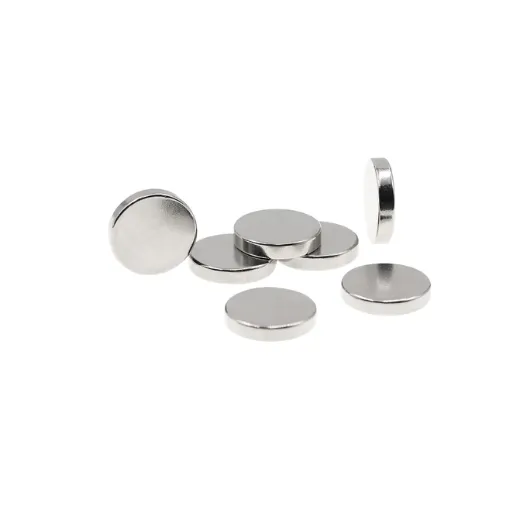
Magnetic shielding materials are not an afterthought. They are a fundamental design element that protects equipment performance, ensures regulatory compliance, and prevents costly field failures. Whether you are designing a precision sensor, a power transformer enclosure, or an electric vehicle motor housing, the right shielding material makes the difference between reliable operation and intermittent interference.
Here are the key takeaways to guide your next shielding specification:
Mu-metal delivers the highest permeability for sensitive instruments but requires careful handling and post-fabrication heat treatment.
Electromagnetic pure iron provides excellent shielding performance across broad field ranges with superior saturation resistance and straightforward manufacturability.
Silicon steel excels at power frequencies where eddy current suppression matters.
Soft ferrites handle high-frequency shielding above 10 kHz where metallic materials struggle.
Shielding geometry matters as much as material choice. Enclosed shapes, multiple layers, and minimal gaps maximize effectiveness.
The most expensive shielding decision is often the one made too late. Integrating magnetic shielding into your initial design saves retrofit costs, reduces risk, and delivers better performing products.
Ready to source high-permeability pure iron for your magnetic shielding application? Contact our engineering team to discuss DT4C grades, custom dimensions, and processing options tailored to your project.
Recently Posted
-
Shanxi Jurun Technology: Your Electromagnetic Pure Iron Partner from Taiyuan, China's Pure Iron Prod
August 14, 2026When an international buyer searches for electromagnetic pure iron, they are not just looking for a material. They are looking for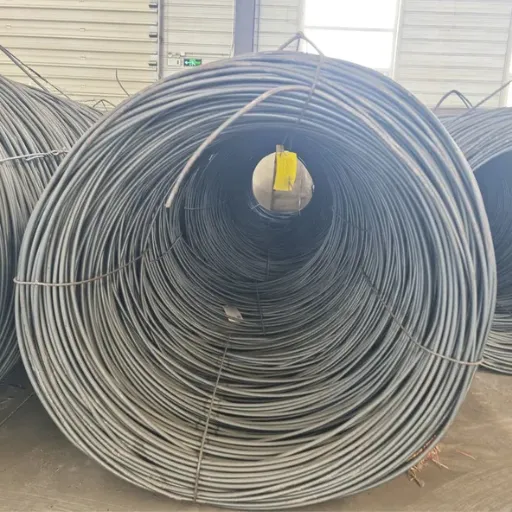 Read More
 -
Cold Drawing Process for Electromagnetic Pure Iron Wire: How Wire Rod Becomes Precision Cold-Drawn W
August 13, 2026Not long ago, a solenoid valve manufacturer in Italy received a shipment of 5.5 mm electromagnetic pure iron cold-drawn wire inten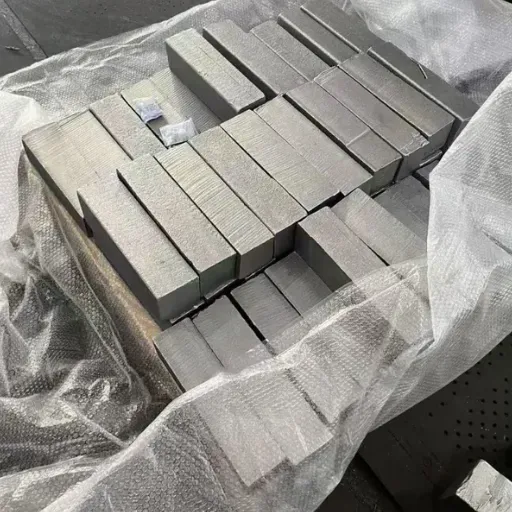 Read More
 -
How to Choose a Food Vacuum Sealer Supplier in China: 8 Evaluation Criteria
August 13, 2026An e-commerce brand owner in the UK contacted us some time ago after a supplier relationship fell apart. They had sourced roughly Read More
 -
Electromagnetic Pure Iron for Relay Manufacturing: Material Requirements, Grade Selection, and Case
August 13, 2026Some time ago, a relay production line in Zhejiang province began experiencing a puzzling failure pattern. Roughly 3 out of every
Read More

Contact Us
Recommended Products
-
 Seamless Tube With Good Cold Electrical Pure Iron Fittings Hot Workability for Forming Fittings and ConduitsNegotiableMOQ: 1 Ton
 -
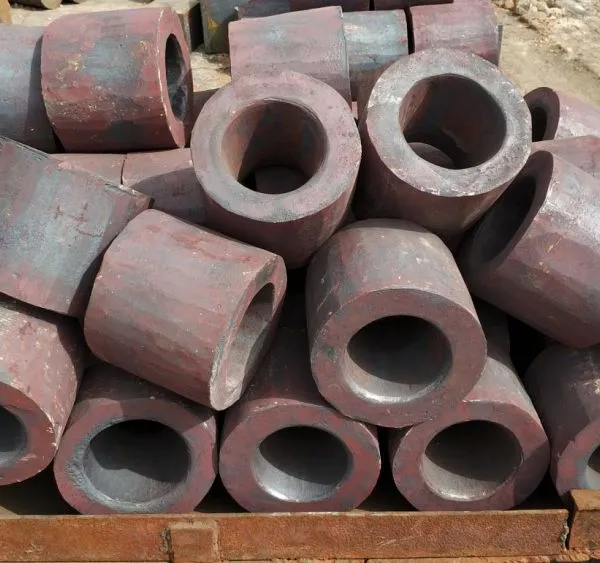
Electromagnetic Pure Iron Forging for Automotive Sensor ManufacturingNegotiableMOQ: 100 Kilograms
-
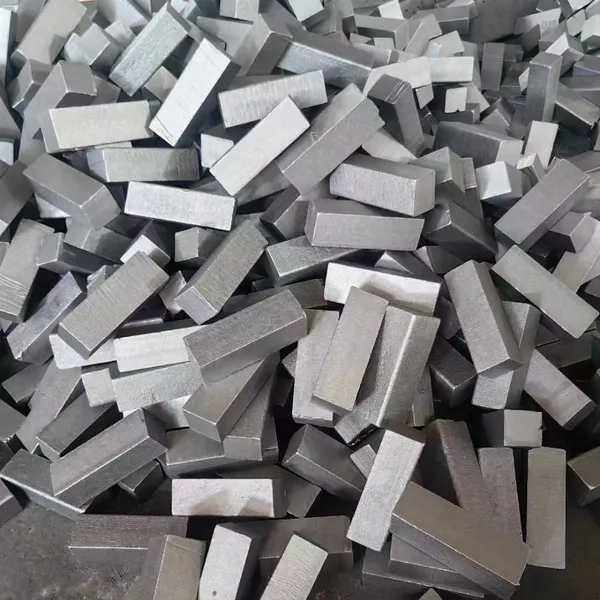
Precision Cut Pure Iron Square Bar High Saturation Induction Raw Material for Generator and RotorNegotiableMOQ: 100 Kilograms
-
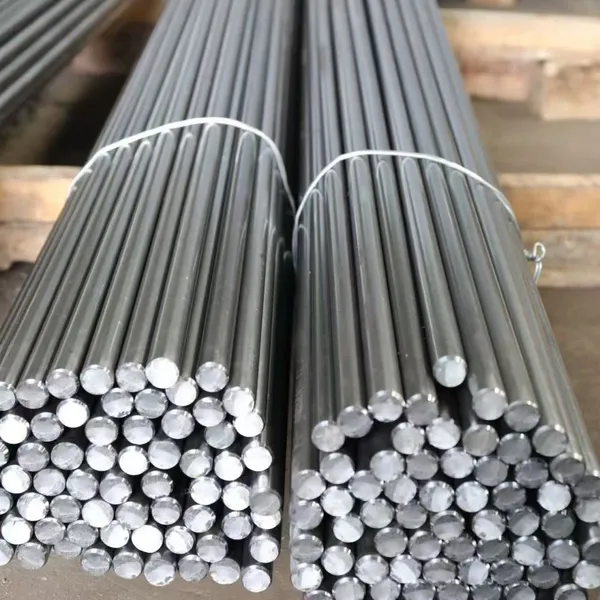
DT4C Super Grade Electromagnetic Pure Iron Bright Bar With Bundle Weight 30-100kg for Easy TransportationNegotiableMOQ: 1 Ton
-
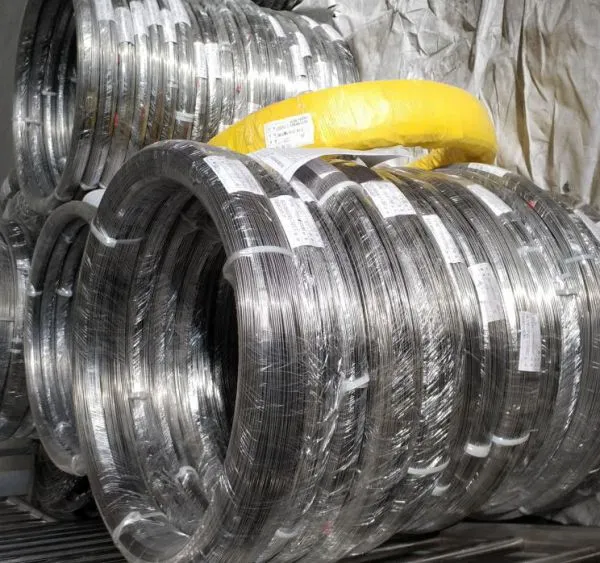
DT4C Electromagnetic Pure Iron Cold-Drawn Wire 0.5mm-6.0mm Diameter for TransformersNegotiableMOQ: 100 Kilograms
-
Industrial Pure Iron Bar for Electromagnetic Relay and Sensor ProductionNegotiableMOQ: 1 Ton
-
Electromagnetic Pure Iron Thin Sheet 0.3mm-0.8mm for Solenoid and Relay ManufacturingNegotiableMOQ: 500 Kilograms
-
Electrical Pure Iron Hot-Rolled Coil for Magnetic Components With Low Iron LossNegotiableMOQ: 1 Ton
-
Low Carbon DT4C Pure Iron Round Bar With 99.8% Fe Content for Electrical ApplicationsNegotiableMOQ: 1 Ton
-
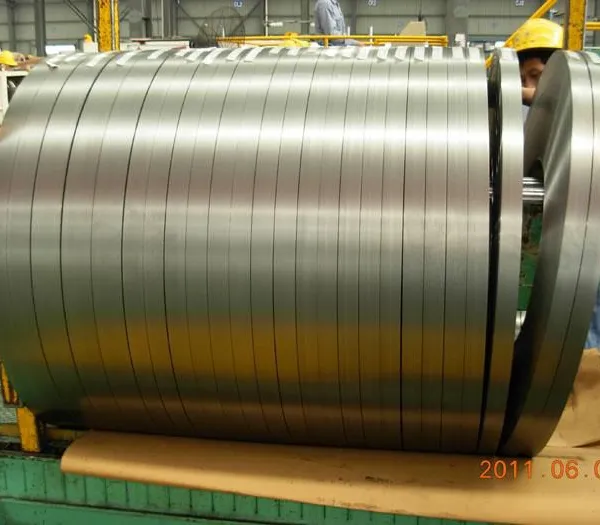
Cold Rolled Pure Iron Slit Coil DT4C Grade Ultra Low Carbon ≤0.004% for Magnetic ComponentsNegotiableMOQ: 1 Ton
-
Low Iron Loss Electromagnetic Pure Iron Hot-Rolled Coil DT4C for Transformer CoresNegotiableMOQ: 1 Ton
-
Soft Magnetic Pure Iron Sheet With Minimum Iron Loss for High-Efficiency MotorsNegotiableMOQ: 1 Ton
-
Electromagnetic Pure Iron Cold Rolled Coil DT4C for High Magnetic Permeability ApplicationsNegotiableMOQ: 1 Ton
-
Industrial Pure Iron Tube Superior Surface Quality Electromagnetic Pure Iron Tube for Welding and Plating ProcessesNegotiableMOQ: 1 Ton
-
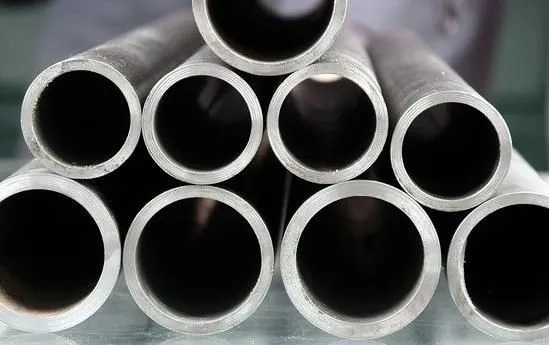
DT4 Seamless Pure Iron Tubing for High-Performance Electrical Equipment ApplicationsNegotiableMOQ: 1 Ton
-
DT4C Iron Wire Rod for Precision Magnetic Shielding ApplicationsNegotiableMOQ: 100 Kilograms
-
Industrial Pure Iron Fittings DT4 Pure Iron Seamless Tube With Low Hysteresis Loss for Electromagnetic SystemsNegotiableMOQ: 1 Ton
-
DT4C Cold Rolled Coil Slitting for Electrical Enclosure ManufacturingNegotiableMOQ: 1 Ton
-
Anti Rust Coated Pure Iron Square Bar Low Carbon Raw Material for Welding and Forging Magnetic PartsNegotiableMOQ: 100 Kilograms
-
DT4 Pure Iron Cold-Drawn Wire 0.5mm-6.0mm Diameter for Precision EngineeringNegotiableMOQ: 500 Kilograms