
 Business License

Electrical Pure Iron: Applications in Transformers, Motors & Power Systems
The transformer design engineer from Jiangsu power equipment manufacturer named Chen Wei tested core materials in his assessment of a new high-efficiency distribution transformer line during the previous quarter. The conventional wisdom said silicon steel was the only logical choice. But his design requirements needed design requirements which his electrical pure iron solution could deliver at the same total expense.Find more info now.
Electrical pure iron represents a specialized class of high-purity iron engineered specifically for electrical power applications. While silicon steel dominates standard AC transformer and motor designs, pure iron offers distinct advantages in specific scenarios: higher saturation flux density, superior magnetic permeability, and better performance in DC and pulsed applications. The key point requires people to comprehend when the benefits surpass the increased core loss that pure iron exhibits during power frequency operations.
The guide delivers information about essential electrical properties which transformers and motors need while showing how electrical pure iron compares to silicon steel and describing situations where pure iron outperforms standard materials together with details about selecting and processing different grades of materials. The guide will assist you in selecting materials for distribution transformers high-efficiency motors and specialty electromagnetic components.
What Is Electrical Pure Iron?
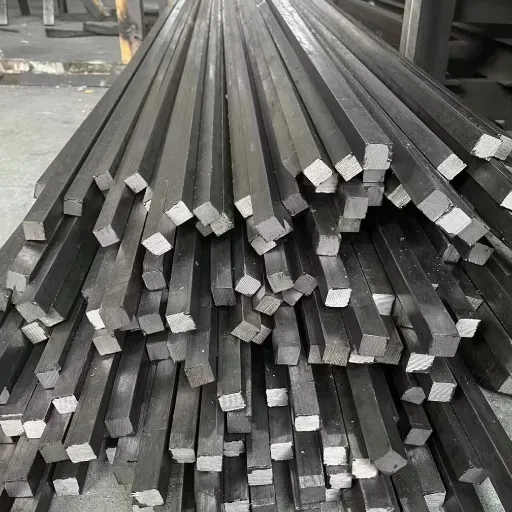
The definition of electrical pure iron describes this material as high-purity iron which has a minimum iron content of 99.5% and usually contains 99.8% or more iron. The design of electrical pure iron differs from standard carbon steel and ordinary structural steel because it provides magnetic properties which enable optimal energy conversion and transmission results.
The material achieves its performance through careful control of chemical composition, particularly the reduction of carbon content to 0.025% or below. The presence of carbon in even minute quantities results in substantial magnetic performance deterioration because it causes magnetic domain walls to stick while decreasing coercivity levels. The two essential properties for efficient transformer and motor operation are high magnetic permeability and low coercivity which electrical pure iron achieves through its process of carbon and impurity reduction.
Grades for Electrical Applications
The Chinese GB/T 6983-2008 standard defines several grades suitable for electrical applications, with DT4, DT4E, and DT4C being most commonly specified:
DT4 (Standard Grade)
Coercivity: ≤96 A/m
Maximum permeability: ≥7,500
Carbon content: ≤0.025%
Applications: General-purpose magnetic circuits, cost-sensitive designs
DT4E (Extra High Grade)
Coercivity: ≤48 A/m
Maximum permeability: ≥12,500
Carbon content: ≤0.015%
Applications: Motors, generators, industrial equipment
DT4C (Superior Grade)
Coercivity: ≤32 A/m
Maximum permeability: ≥15,000
Carbon content: ≤0.004%
Applications: High-efficiency transformers, precision instruments, premium motor designs
Each grade represents a tradeoff between magnetic performance and cost. The highest core losses and highest permeability values of DT4C entail additional costs. DT4 offers acceptable performance for less critical applications at lower cost. For detailed specifications of DT4C grade specifications, refer to our grade selection guide.
Electrical Properties That Matter
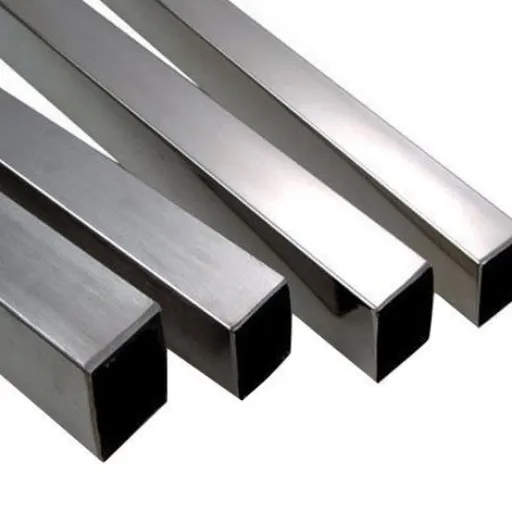
Understanding electrical pure iron's performance requires examining four key magnetic properties and how they interact in real applications.
Core Loss: Hysteresis and Eddy Currents
Magnetic core materials produce critical core loss energy which transforms into heat and serves as essential performance metric for electrical systems. Core loss comprises two components:
Hysteresis loss results from the energy required to realign magnetic domains during each AC cycle. Lower coercivity materials exhibit narrower hysteresis loops and therefore lower hysteresis loss. Electrical pure iron exhibits competitive hysteresis performance because its low coercivity power (particularly at DT4C under 32 A/m) level.
Eddy current loss occurs when time-varying magnetic fields induce circulating currents within the core material. The loss increases with square frequency increase and material resistivity decrease. Pure iron exhibits this limitation because its resistivity of 9.7 μΩ·cm results in eddy current losses that exceed silicon steel which has 48 μΩ·cm resistivity at power frequencies.
| Material | Core Loss at 50Hz, 1.5T (W/kg) | Primary Loss Mechanism |
|---|---|---|
| Grain-oriented silicon steel | 0.9-1.2 | Optimized balance |
| Non-oriented silicon steel | 2.5-4.0 | Higher hysteresis |
| Pure iron DT4C (annealed) | 3.5-5.5 | Higher eddy currents |
| Pure iron (unannealed) | 8.0-12.0 | Poor domain structure |
The data reveals why silicon steel dominates standard AC transformer applications: its higher resistivity dramatically reduces eddy current losses despite somewhat higher hysteresis. However, pure iron's superior performance in other areas creates opportunities in specific applications.
Magnetic Permeability in AC Applications
The measurement of magnetic permeability determines how easily materials become magnetized because it calculates the ratio of magnetic flux density to magnetizing field strength. The material demonstrates higher permeability which results in:
The material requires lower magnetizing current to function
The magnetic circuit operates with increased efficiency
The system achieves better results when exposed to weak magnetic fields
Electrical pure iron (DT4C: ≥15,000) achieves superior maximum permeability results compared to silicon steel which reaches 5,000-10,000. This advantage proves particularly valuable in instrument transformers, sensitive relays, and applications requiring response to weak magnetic fields.
The design team evaluated materials for a medical imaging power supply in the previous year and found that pure iron provides higher permeability which allows them to decrease magnetizing winding copper by 30% compared to their silicon steel reference design. The project benefits from reduced copper and winding labor expenses which help counterbalance the increased core material expenses.
Saturation Flux Density Advantage
The maximum magnetic flux a material can carry is determined by its saturation flux density. The system reaches its maximum magnetic capacity at this point because further increases in magnetizing force will only produce insignificant flux gains while the remaining energy will transform into heat.
Pure iron saturation: ~2.15 Tesla
Silicon steel (3% Si) saturation: ~1.95-2.00 Tesla
Pure iron permits the use of 7-10% higher flux density according to its practical application.
The advantage provides designers with two specific design options.
Designers can create transformers with smaller core cross-sections that transmit the same power.
Designers create systems that can process greater power until they reach their saturation point.
The design of transformers and motors becomes more efficient because designers can use smaller dimensions.
Pure iron's superior saturation performance enables its use in electric vehicle traction motors aerospace transformers and portable power equipment because these applications require smaller and lighter equipment despite the trade-off of increased core losses.
Resistivity and Its Impact
Eddy current losses experience direct impact from resistivity. Pure iron's lower resistivity (9.7 μΩ·cm vs 48 μΩ·cm for silicon steel) creates challenges for AC applications but advantages in DC and pulsed systems:
AC power frequencies (50/60 Hz): Silicon steel's higher resistivity provides significant loss advantage
DC applications: Resistivity irrelevant; pure iron's other advantages dominate
Pulsed power: Short pulse duration limits eddy current development
High-frequency switching: Neither material ideal; ferrites or powder cores preferred
Electrical Pure Iron vs Silicon Steel
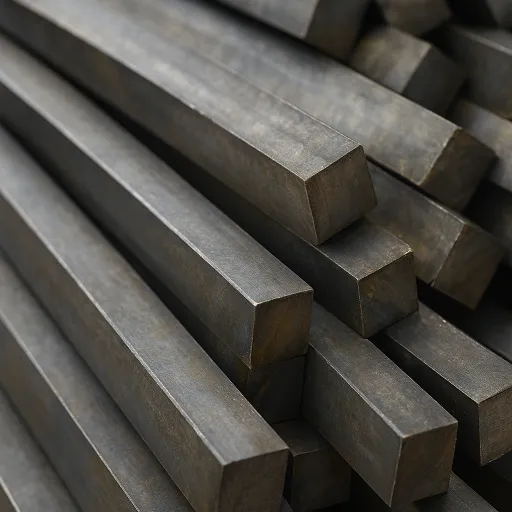
The choice between electrical pure iron and silicon steel represents one of the most fundamental material decisions in electrical equipment design. Understanding the tradeoffs enables optimal selection for specific applications.
Side-by-Side Performance Comparison
| Property | Electrical Pure Iron (DT4C) | Grain-Oriented Silicon Steel | Implication |
|---|---|---|---|
| Saturation flux density | ~2.15 T | ~2.00 T | Pure iron enables smaller cores |
| Maximum permeability | ≥15,000 | 5,000-10,000 | Pure iron better at low fields |
| Coercivity | ≤32 A/m | 40-60 A/m | Pure iron lower hysteresis loss |
| Resistivity | 9.7 μΩ·cm | ~48 μΩ·cm | Silicon steel lower eddy losses |
| Core loss @ 50Hz, 1.5T | 3.5-5.5 W/kg | 0.9-1.2 W/kg | Silicon steel more efficient at power frequency |
| Typical cost | Higher | Lower | Silicon steel cost advantage |
| Availability | Specialty orders | Commodity | Silicon steel widely stocked |
This comparison reveals why silicon steel dominates conventional AC applications: its dramatically lower core loss at power frequencies outweighs pure iron's advantages for most transformer and motor designs operating at 50/60 Hz.
When Pure Iron Delivers Better Results
Electrical pure iron shows better performance than silicon steel which dominates the market yet reaches this threshold for particular situations. The first requirement deals with high flux density which needs to be fulfilled. Pure iron reaches higher saturation levels because it contains 7 to 10 percent more saturation density than silicon steel which makes it suitable for applications that need better performance than standard silicon steel. The following items use this technology:
Compact distribution transformers with overload requirements
High-power-density inductors
Pulse transformers for power electronics
The second requirement deals with DC and pulsed applications. Pure iron shows higher permeability and saturation levels because AC-induced eddy currents do not affect its lower resistivity value. The following systems use this technology:
DC filter chokes and inductors
Pulse transformers for switching power supplies
Magnetic amplifiers
Electromagnetic braking systems
The third requirement deals with low-field high-permeability applications. Pure iron shows better performance than other materials because it maintains higher magnetic permeability even at low magnetizing forces which benefits instrument transformers and sensitive relays and measurement equipment. The following devices use this technology:
Current transformers for protection systems
Precision voltage transformers
Sensitive electromagnetic relays
Magnetic sensors
The fourth requirement deals with prototype and low-volume production. The production of silicon steel requires customers to purchase at least 20 tons of material which represents the minimum order size for mill operations. Pure iron availability in smaller quantities supports:
R&D projects
Custom equipment manufacturing
Specialty and replacement components
Low-volume OEM production
When Silicon Steel Is the Better Choice
Silicon steel remains the best material choice for common applications
The Core loss of distribution transformers through silicon steel provides an economic advantage which becomes their primary operating cost driver.
High-efficiency motors show better operating costs through silicon steel even though its production expenses exceed those of other materials.
Silicon steel provides efficiency benefits for continuous-duty AC applications which require efficiency ratings.
High-frequency applications require advanced electrical steels or ferrites because neither material provides suitable performance.
Cost-Performance Analysis
Material selection requires total cost of ownership analysis, not simply comparing material costs:
| Factor | Pure Iron Impact | Silicon Steel Impact |
|---|---|---|
| Material cost | Higher (typically 30-50%) | Lower baseline |
| Core loss operating cost | Higher (at AC frequencies) | Lower (efficiency advantage) |
| Magnetizing current | Lower (saves winding copper) | Higher |
| Core size/weight | Potentially smaller (higher saturation) | Larger for equivalent flux |
| Tool wear (stamping) | Lower (softer material) | Higher |
For a typical 100 kVA distribution transformer operating continuously, silicon steel's lower core loss generates annual electricity savings that recover any material cost premium within 2-3 years. However, for applications where size constraints dominate or duty cycles are intermittent, pure iron's advantages may justify selection.
Transformer Applications
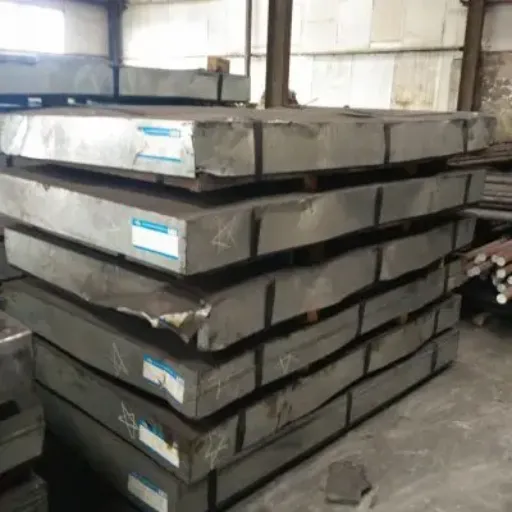
The magnetic core materials achieve their maximum usage in transformer applications. Engineers can improve their material choices by understanding the role of electrical pure iron in transformer design.
Distribution Transformers
Distribution transformers operate between medium voltage and customer-level voltage levels and they represent the largest share of electrical steel usage. For these applications:
Silicon steel advantage: Utility operating costs and environmental compliance depend on operating efficiency which affects both costs and compliance. Core loss standards (e.g., DOE efficiency regulations in the US, MEPS in other regions) favor silicon steel's lower losses.
Pure iron niche applications:
Compact pole-mounted transformers where size and weight constraints limit core cross-section
Overload-capable designs requiring flux density headroom
Specialty transformers with unusual duty cycles where efficiency standards don't apply
A transformer manufacturer in Zhejiang recently evaluated pure iron for a compact 50 kVA pole-mounted design. The project used silicon steel as core material because its 15% higher core loss rate resulted in an optimal design choice which utilized 12% reduction in core volume to achieve a lighter yet more compact enclosure that lowered total installation costs by 8%.
Power Transformers
Large power transformers (typically >500 kVA) follow similar material economics to distribution transformers, with efficiency driving material selection.
The applications of pure iron in power transformers include:
Tertiary windings and auxiliary circuits where losses are less critical
Structural components requiring magnetic properties but not minimal loss
Specialty designs (furnace transformers, rectifier transformers) with unusual requirements.
Instrument Transformers
Current transformers (CTs) and potential transformers (PTs) for metering and protection present ideal pure iron applications:
Why pure iron excels:
The material exhibits high permeability which enables precise transformation at minimal primary current levels.
Revenue metering accuracy requires low phase angle error throughout the measurement process.
The system maintains its linear response throughout multiple current ranges.
The design of switchgear systems requires materials with high saturation properties because they need to fit within specific equipment size requirements.
Typical specifications:
Grade: DT4C or DT4E which provides optimized measurement accuracy
Core type: The design requires either toroidal or wound-core core implementations.
The system requires secondary requirements of 0.2 or 0.5 accuracy class.
Pulse and Signal Transformers
Pulse transformers—isolating and coupling switching signals in power electronics—represent a major pure iron application:
Why pure iron dominates:
Fast response requires high permeability
Short pulse duration limits eddy current development
Saturation resistance handles pulse current spikes
Square loop characteristic (after heat treatment) provides sharp switching
The following systems use gate drive transformers:
IGBTs
MOSFETs
The systems use trigger transformers to control thyristors
The systems use isolation transformers to power their switch-mode power supplies
The companies use communication interface transformers for their systems
Application Selection Guide
| Transformer Type | Recommended Material | Grade (if Pure Iron) | Rationale |
|---|---|---|---|
| Standard distribution | Silicon steel | N/A | Efficiency requirements |
| Compact/overload-rated | Pure iron | DT4C | Size constraints, saturation headroom |
| Instrument CTs/PTs | Pure iron | DT4C or DT4E | Accuracy, permeability |
| Pulse transformers | Pure iron | DT4C | Response time, saturation |
| Power rectifier | Case-by-case | DT4E typical | Duty cycle dependent |
Motor and Generator Applications
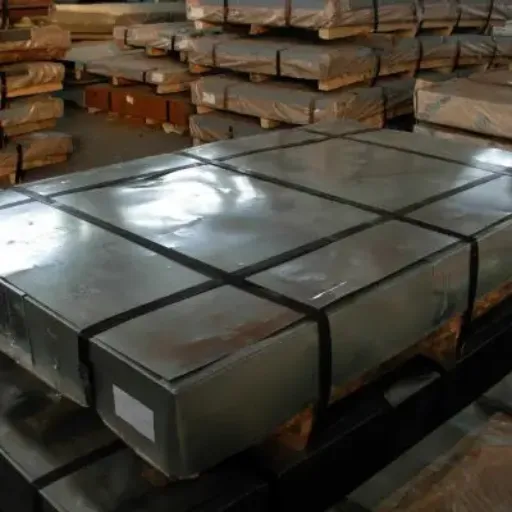
Electric motors and generators consume the majority of electrical steel production. Understanding pure iron's role requires examining specific motor types and their requirements.
High-Efficiency Motor Laminations
The standards for motor efficiency which include IE3 and IE4 and IE5 classes from IEC standards and NEMA Premium in North America determine which materials manufacturers choose because they must use materials that produce lower energy losses.
Motor laminations use non-oriented silicon steel as the standard material according to established industry methods.
Pure iron opportunities:
Premium efficiency motors (IE4/IE5) where every fraction of a percent matters
High-speed motors where eddy current effects differ
Servo motors requiring precise magnetic response
Custom motor designs not constrained by commodity material availability
The German automation manufacturer tested pure iron against silicon steel after they created their new high-dynamic servo motor line. The tests showed that pure iron provided better results because of its higher permeability which improved motor constant (torque per ampere) by 4% which resulted in two options for users to choose between higher peak torque and smaller drive electronics that achieved equivalent performance.
Servo Motor Cores
Servo motors—providing precise position and speed control—benefit from pure iron characteristics:
Key advantages:
High permeability improves torque density and response
Low coercivity enables precise magnetic control
Linear B-H characteristics support accurate modeling and control algorithms
Low remanence prevents unwanted holding torque when de-energized
Typical specifications:
Grade: DT4C for highest performance
Lamination thickness: 0.35mm or 0.50mm
Stacking factor: >96% for optimal performance
Generator Field Components
The rotating magnetic field used in synchronous generators requires special requirements for generator field systems.
Pure iron applications:
Pure iron is required for pole shoes and field frames which operate under high magnetic flux conditions.
Damper windings demand materials which need to offer both electrical conductivity and magnetic performance.
The excitation system needs to function with its dedicated components.
Pure iron enables generator designs to achieve smaller dimensions because of its higher saturation flux density. This advantage becomes essential for:
Wind turbine generators (weight at height is costly)
Portable and mobile generators
High-speed turbogenerators
Performance Benefits and Tradeoffs
| Motor Aspect | Pure Iron Benefit | Tradeoff Consideration |
|---|---|---|
| Torque density | +3-5% improvement | Higher material cost |
| Efficiency at rated load | Comparable | Higher no-load loss |
| Starting torque | Improved | May require design adjustment |
| Temperature rise | Slightly higher | Cooling design consideration |
| Audible noise | Potentially lower | Depends on design |
Design Considerations for Electrical Applications
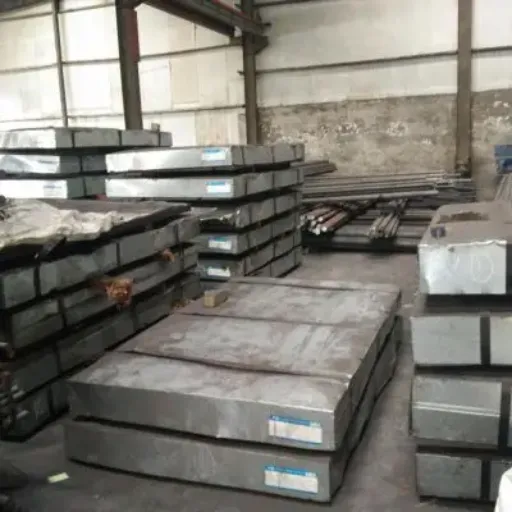
Successful application of electrical pure iron requires attention to design details that differ from silicon steel practice.
Lamination Thickness Selection
Lamination thickness affects both core loss and manufacturing economics:
| Thickness | Typical Application | Pure Iron Availability |
|---|---|---|
| 0.23-0.27mm | High-efficiency motors, generators | Limited (special order) |
| 0.35mm | Standard transformers, motors | Readily available |
| 0.50mm | Large transformers, industrial motors | Standard |
| 0.65mm+ | Structural components, DC applications | Available |
Thinner laminations reduce eddy current loss but increase material and processing costs. For pure iron in AC applications, 0.35mm represents a practical balance between loss and economy. DC applications can use thicker material without penalty.
Insulation and Coating Requirements
Lamination insulation prevents eddy currents between laminations, forcing magnetic flux through the high-resistivity interlaminar space rather than allowing circulation within the core.
Pure iron insulation options:
Phosphate coating: Standard treatment providing adequate insulation and punchability
Organic varnish: Enhanced insulation for high-performance designs
Oxide layer: Natural oxide from annealing, minimal additional cost
C5 coating: Premium organic coating for severe environments
Insulation requirements are similar for pure iron and silicon steel, though pure iron's softer nature may benefit from coatings improving punchability and tool life.
Stacking Factor Optimization
Stacking factor—the ratio of actual iron cross-section to total core cross-section—affects effective magnetic area and core loss:
Factors reducing stacking factor:
Lamination thickness variation
Surface roughness and burrs
Interlaminar insulation thickness
Core clamping pressure
Pure iron laminations typically achieve stacking factors of 0.95-0.97, comparable to silicon steel. However, pure iron's softer nature allows higher clamping pressures without lamination distortion, potentially improving stacking factor in carefully designed cores.
Design targets:
Distribution transformers: ≥0.96
High-efficiency motors: ≥0.97
Instrument transformers: ≥0.95
Annealing Requirements for Electrical Use
Annealing transforms cold-worked pure iron into a magnetically soft state suitable for electrical applications. This process is not optional—it is essential for achieving specified magnetic properties.
Critical annealing parameters:
Temperature: 750-850°C (below Curie point but sufficient for recrystallization)
Atmosphere: Dry hydrogen or high vacuum (prevents oxidation, promotes decarburization)
Duration: 4-8 hours (depending on section thickness)
Cooling rate: Controlled cooling to optimize grain structure
Magnetic property improvement from annealing:
Coercivity reduction: 60-80%
Permeability increase: 2-3x
Core loss reduction: 50-70%
Processing for Electrical Components
Transforming electrical pure iron from mill product to finished laminated cores requires specialized processing adapted to the material's characteristics.
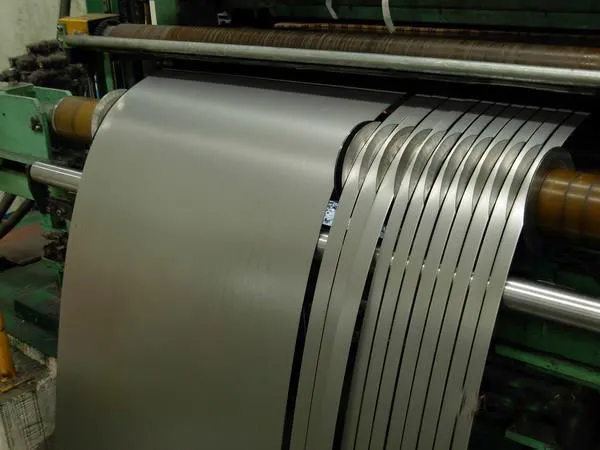
Slitting for Lamination Stock
Wide master coils slit into narrower strips matching lamination punch widths:
Key requirements:
Width tolerance: ±0.10mm for precise stacking
Camber control: <2mm per meter (ensures straight feeding into presses)
Burr minimization: <5% of material thickness (prevents interlaminar shorts)
Edge condition: Clean shear without work-hardening
Pure iron's softer nature compared to silicon steel actually facilitates slitting operations:
Lower cutting forces required
Reduced tool wear
Better edge quality at equivalent clearances
Stamping and Punching Considerations
Lamination stamping creates the interlocking shapes that form motor slots and transformer cores:
Tooling considerations for pure iron:
Die clearance: 5-10% of material thickness (pure iron's softness requires closer clearances than silicon steel)
Tool material: Standard tool steels adequate (pure iron is less abrasive than silicon steel)
Tool life: Typically 20-30% longer than with silicon steel
Burr control: Critical for stacking factor; in-die deburring may be beneficial
Quality checkpoints:
Dimensional accuracy: ±0.05mm for precise stacking
Burr height: <0.05mm maximum
Flatness: No distortion from punching stresses
Surface quality: No scoring or galling
Quality Control for Electrical Applications
Electrical pure iron for transformer and motor applications requires specific quality verification:
Incoming inspection:
Certificate of compliance with GB/T 6983-2008
Dimensional verification (thickness, width, camber)
Surface quality assessment
Magnetic property certification (after annealing)
In-process inspection:
Lamination dimensional accuracy
Burr height measurement
Stacking factor verification
Interlaminar resistance testing
Final core testing:
Core loss testing at design flux density
Magnetization curve verification
Induced voltage testing (for wound cores)
Standards and Specifications
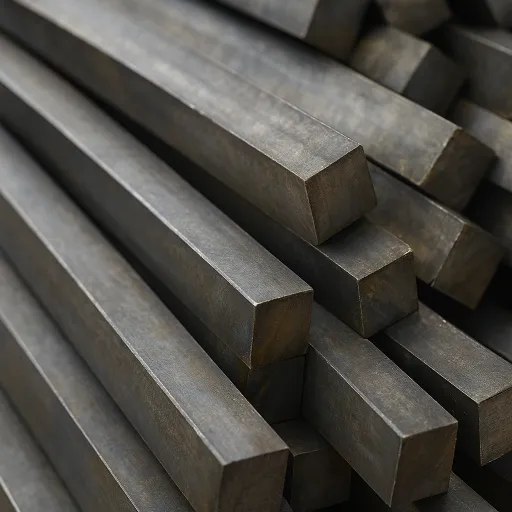
Electrical pure iron for power applications must meet established standards ensuring predictable performance and interchangeability.
IEC Standards for Electrical Applications
The International Electrotechnical Commission develops standards governing magnetic materials for electrical equipment:
IEC 60404 Series: Magnetic materials
Part 8-6: Individual materials—Cold-rolled non-oriented electrical steel (reference for pure iron comparison)
Part 1: Classification and designation
Part 2: Methods of measurement
While IEC standards primarily address silicon steel, the measurement methods and classification approaches apply to pure iron evaluation.
GB/T 6983-2008 Compliance
The Chinese national standard GB/T 6983-2008 "Electromagnetic Pure Iron" defines requirements for pure iron used in electrical applications:
The specifications include three main components:
The chemical composition limits require specific maximum limits for C and Si and Mn and P and S and Al elements.
The magnetic property requirements include specific values for coercivity and permeability and flux density.
The document specifies both testing methods and procedures for sample preparation.
The document establishes requirements for surface quality and dimensional tolerances.
For global suppliers, GB/T 6983-2008 certification demonstrates compliance with recognized material standards, particularly important in Asian markets.
ASTM A848 for US Markets
The US market specifications of ASTM A848 "Standard Specification for Low-Carbon Magnetic Iron" match the requirements of GB/T 6983-2008.
The Chinese standard includes three major differences from the standard which include:
The standard uses different designations for its grades.
The standard tests materials using different methods.
The standard establishes different conditions for its reference materials.
The material which meets both GB/T 6983-2008 DT4C standard and ASTM A848 requirements enables worldwide commercial distribution.
Sourcing Electrical Pure Iron
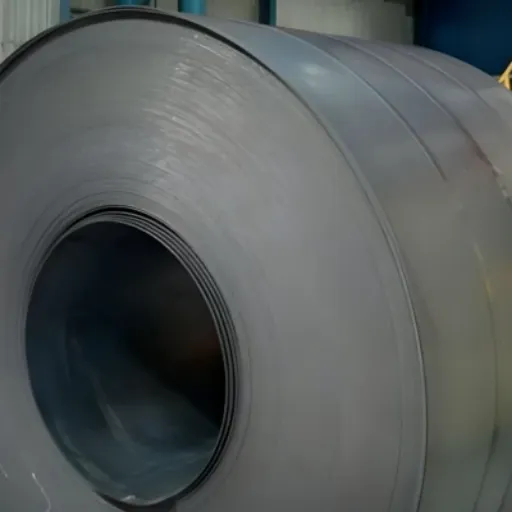
Selecting a supplier for electrical pure iron requires evaluating capabilities beyond basic material supply.
Supplier Evaluation Criteria
Material quality assurance:
Certified compliance with GB/T 6983-2008 or equivalent
Consistent magnetic properties batch-to-batch
Traceability and documentation
Incoming inspection support
Processing capabilities:
Slitting to precise lamination widths
Annealing services to develop full magnetic properties
Quality testing and certification
Technical support for application engineering
Supply reliability:
Inventory availability for standard grades
Production capacity for volume requirements
Lead time consistency
Geographic proximity for reduced shipping costs
Shanxi Jurun's Electrical Grade Capabilities
Grade availability:
DT4, DT4E, DT4C in all standard forms
DT8 and DT9 for specialized applications
Custom chemistry within standard ranges
Processing services:
Cold rolling to precise thickness
Coil slitting to lamination widths
Annealing for optimal magnetic properties
Precision cutting and blanking
Quality systems:
GB/T 6983-2008 certified production
Magnetic property testing
Dimensional verification
Full documentation and traceability
For electrical applications requiring specific magnetic properties or processing, Jurun's engineering team provides application support from material selection through production integration.
Conclusion
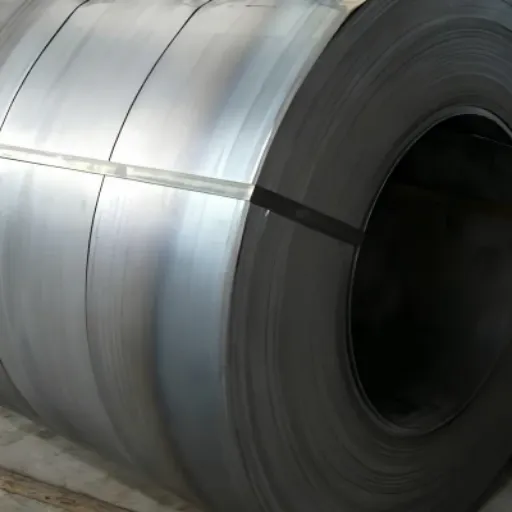
Electrical pure iron occupies a specific but important niche in electrical equipment materials. While silicon steel dominates standard AC transformer and motor applications due to lower core losses, pure iron delivers superior performance in scenarios requiring high saturation flux density, exceptional permeability, or DC/pulsed operation.
Key decision factors:
✓ Specify electrical pure iron when:
High flux density enables compact designs
DC or pulsed applications eliminate eddy current concerns
Premium permeability improves precision or reduces winding copper
Prototype or low-volume needs favor flexible sourcing
Instrument transformer accuracy is paramount
✗ Choose silicon steel when:
Standard AC transformer efficiency is the priority
Operating cost minimization drives design
Commodity availability and pricing are important
High-frequency operation requires specialized materials
Your application checklist:
Operating frequency (DC, 50/60 Hz, or pulsed?)
Flux density requirements (is saturation headroom needed?)
Efficiency priorities (no-load loss vs total cost?)
Size and weight constraints
Production volume and material availability needs
Permeability requirements for your magnetic circuit
Electrical pure iron is not a universal replacement for silicon steel—it is a specialized tool for specific applications where its unique properties deliver measurable advantages. Understanding these applications enables engineers to optimize designs beyond conventional material choices.
Frequently Asked Questions (FAQs)
What Is Electrical Pure Iron and Why Is It Important?
Electrical pure iron is a high-purity iron material that scientists created to develop products which need exceptional magnetic and electrical performance. The material exhibits high magnetic permeability and low coercivity and delivers outstanding electrical conductivity. These properties make it essential for industries like energy, electronics, and precision engineering, which require both operational efficiency and dependable performance.
How Is Electrical Pure Iron Manufactured?
The production of electrical pure iron involves advanced refining processes to remove impurities such as carbon, sulfur, and phosphorus. The industry commonly adopts vacuum melting and electrolysis methods to produce materials with extremely high purity. The refined material undergoes processing to create different product forms, which include wires and sheets and tubes, that fulfill specific application requirements.
What Are the Key Properties of Electrical Pure Iron?
Electrical pure iron possesses outstanding magnetic capabilities because it has both high magnetic permeability and low coercivity which enable efficient magnetic field transmission. The material has outstanding electrical conductivity and corrosion resistance and ductility. These properties make it ideal for use in transformer cores, electromagnetic shielding, and electric motor components.
What Are the Applications of Electrical Pure Iron?
Electrical pure iron serves multiple purposes across various sectors which include energy and electronics and automotive industries. The material serves essential functions in transformer cores and electromagnetic shielding and high-frequency inductors. Its high purity and superior magnetic properties make it indispensable for precision engineering, scientific instruments, and medical devices.
Recently Posted
-
Industrial Pure Iron vs. Armco Iron: Terminology, History, and Modern Equivalents
September 2, 2026Not long ago, a European motor manufacturer opened an aging drawing for a magnetic shielding housing and found the material callou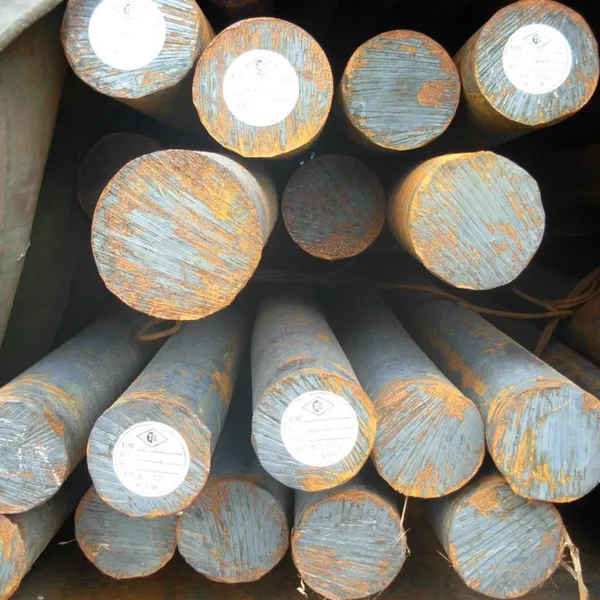 Read More
 -
Shanxi Jurun Technology: Your Electromagnetic Pure Iron Partner from Taiyuan, China's Pure Iron Prod
August 14, 2026When an international buyer searches for electromagnetic pure iron, they are not just looking for a material. They are looking for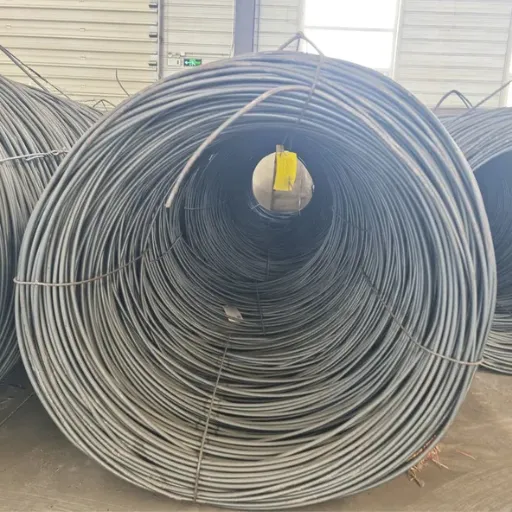 Read More
 -
Cold Drawing Process for Electromagnetic Pure Iron Wire: How Wire Rod Becomes Precision Cold-Drawn W
August 13, 2026Not long ago, a solenoid valve manufacturer in Italy received a shipment of 5.5 mm electromagnetic pure iron cold-drawn wire inten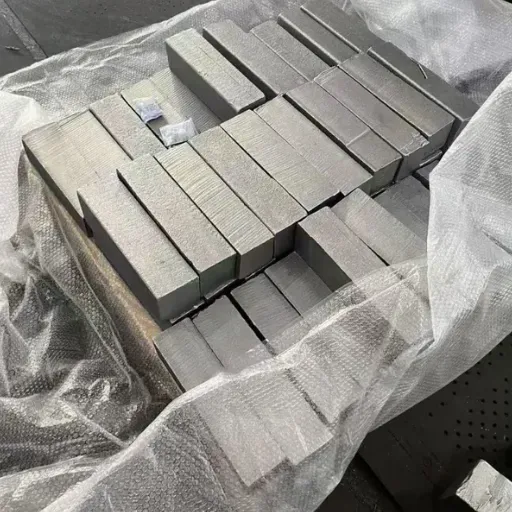 Read More
 -
How to Choose a Food Vacuum Sealer Supplier in China: 8 Evaluation Criteria
August 13, 2026An e-commerce brand owner in the UK contacted us some time ago after a supplier relationship fell apart. They had sourced roughly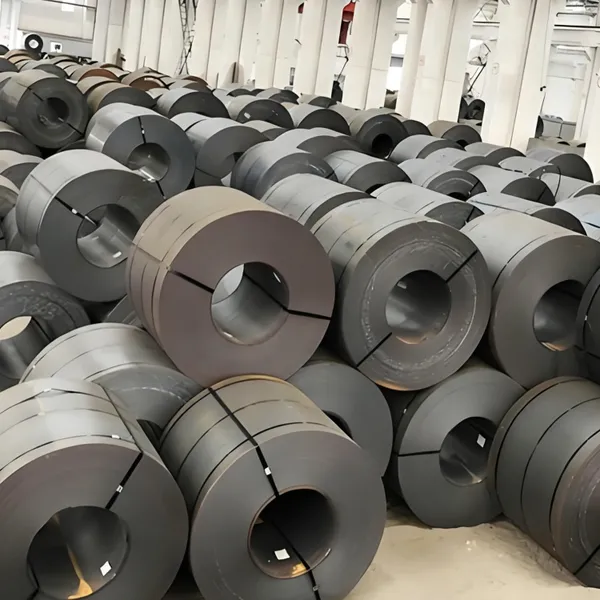 Read More

Contact Us
Recommended Products
-
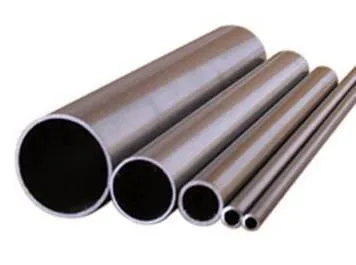
 Seamless Tube With Good Cold Electrical Pure Iron Fittings Hot Workability for Forming Fittings and ConduitsNegotiableMOQ: 1 Ton
 -
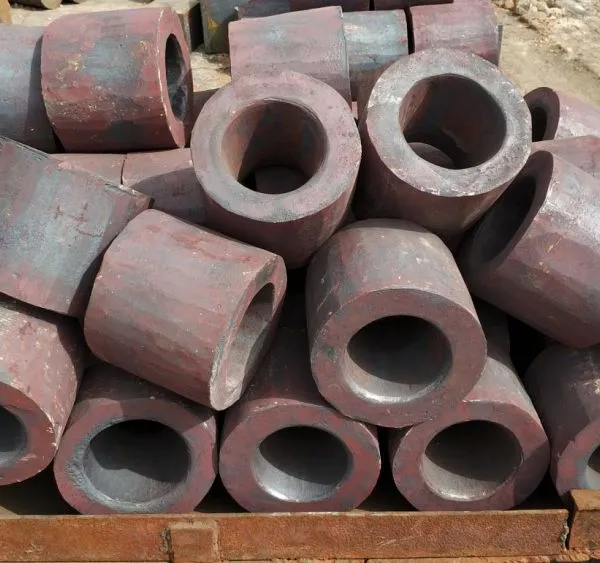
Electromagnetic Pure Iron Forging for Automotive Sensor ManufacturingNegotiableMOQ: 100 Kilograms
-
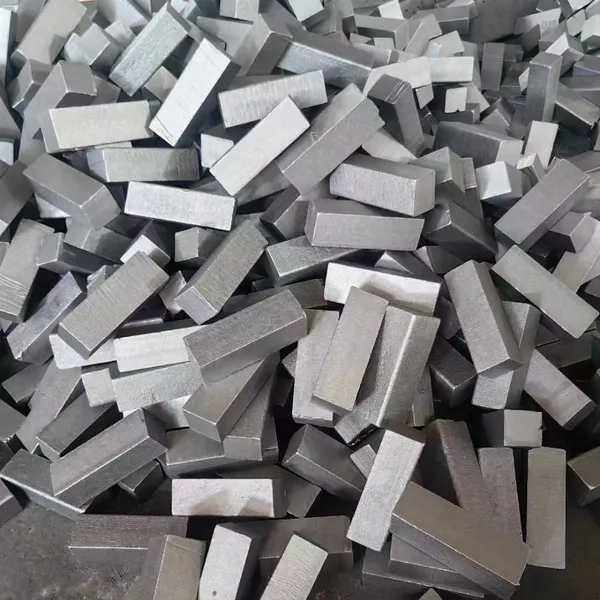
Precision Cut Pure Iron Square Bar High Saturation Induction Raw Material for Generator and RotorNegotiableMOQ: 100 Kilograms
-
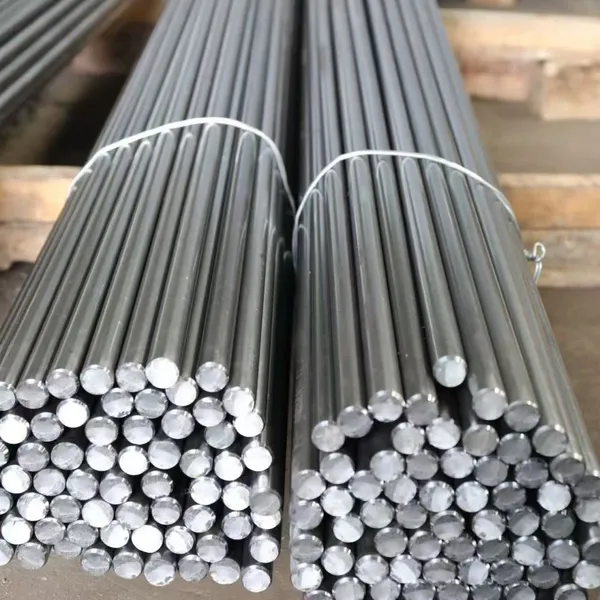
DT4C Super Grade Electromagnetic Pure Iron Bright Bar With Bundle Weight 30-100kg for Easy TransportationNegotiableMOQ: 1 Ton
-
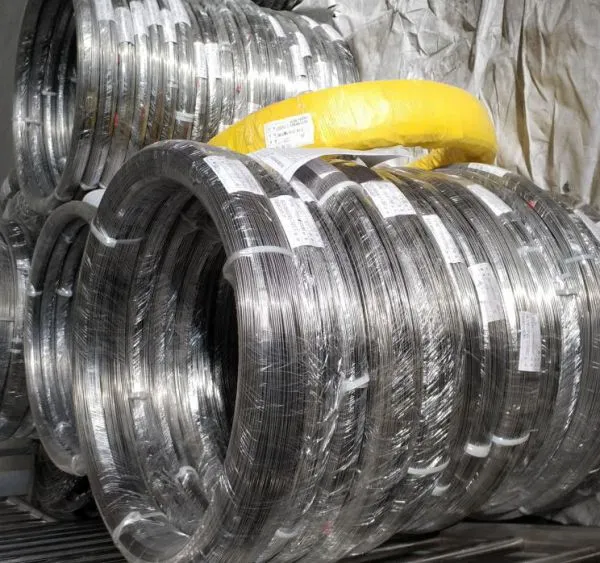
DT4C Electromagnetic Pure Iron Cold-Drawn Wire 0.5mm-6.0mm Diameter for TransformersNegotiableMOQ: 100 Kilograms
-
Industrial Pure Iron Bar for Electromagnetic Relay and Sensor ProductionNegotiableMOQ: 1 Ton
-
Electromagnetic Pure Iron Thin Sheet 0.3mm-0.8mm for Solenoid and Relay ManufacturingNegotiableMOQ: 500 Kilograms
-
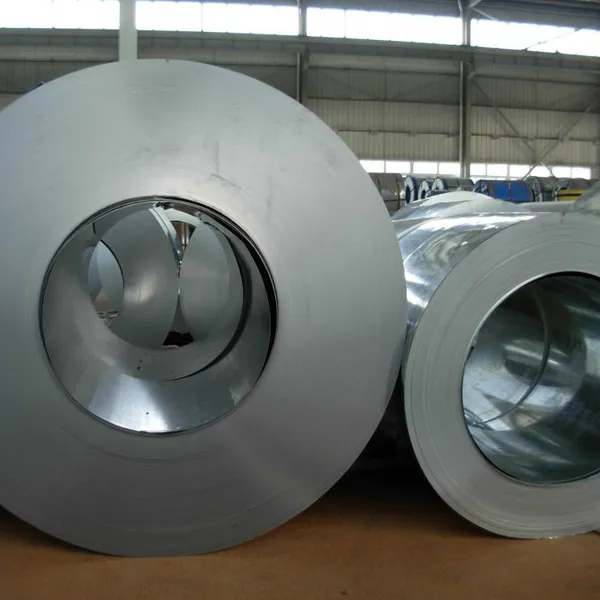
Electrical Pure Iron Hot-Rolled Coil for Magnetic Components With Low Iron LossNegotiableMOQ: 1 Ton
-
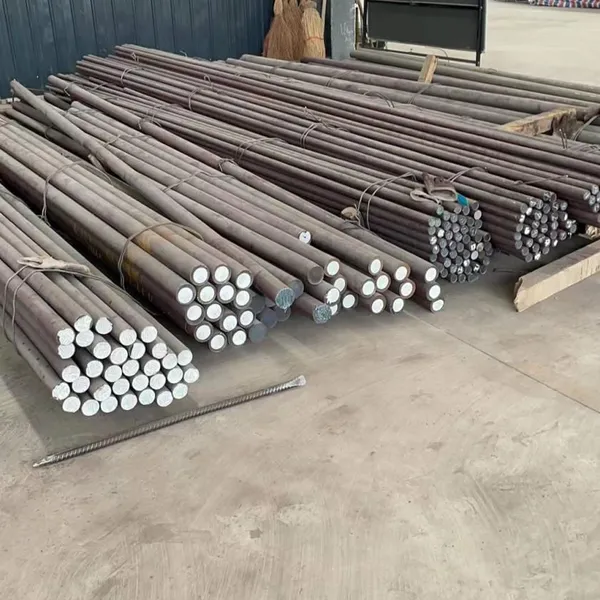
Low Carbon DT4C Pure Iron Round Bar With 99.8% Fe Content for Electrical ApplicationsNegotiableMOQ: 1 Ton
-
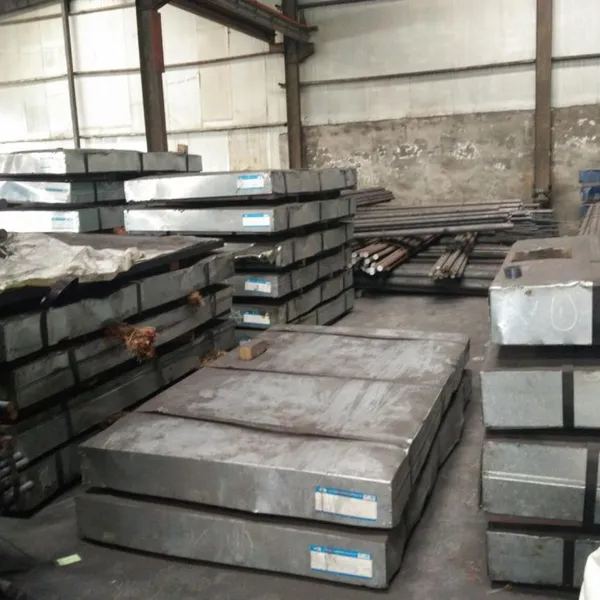
Cold Rolled Pure Iron Slit Coil DT4C Grade Ultra Low Carbon ≤0.004% for Magnetic ComponentsNegotiableMOQ: 1 Ton
-
Low Iron Loss Electromagnetic Pure Iron Hot-Rolled Coil DT4C for Transformer CoresNegotiableMOQ: 1 Ton
-
Soft Magnetic Pure Iron Sheet With Minimum Iron Loss for High-Efficiency MotorsNegotiableMOQ: 1 Ton
-
Electromagnetic Pure Iron Cold Rolled Coil DT4C for High Magnetic Permeability ApplicationsNegotiableMOQ: 1 Ton
-
Industrial Pure Iron Tube Superior Surface Quality Electromagnetic Pure Iron Tube for Welding and Plating ProcessesNegotiableMOQ: 1 Ton
-
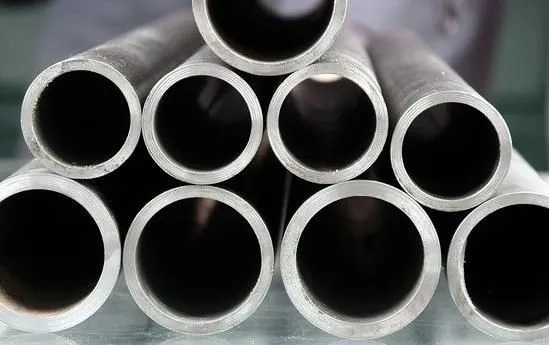
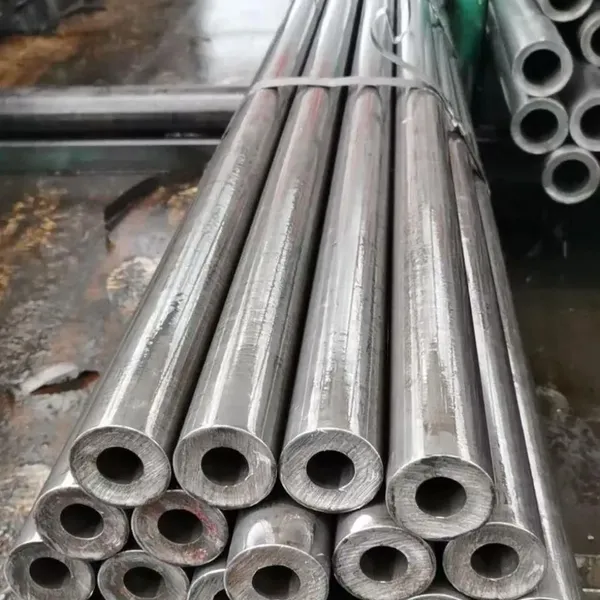
DT4 Seamless Pure Iron Tubing for High-Performance Electrical Equipment ApplicationsNegotiableMOQ: 1 Ton
-
DT4C Iron Wire Rod for Precision Magnetic Shielding ApplicationsNegotiableMOQ: 100 Kilograms
-
Industrial Pure Iron Fittings DT4 Pure Iron Seamless Tube With Low Hysteresis Loss for Electromagnetic SystemsNegotiableMOQ: 1 Ton
-
DT4C Cold Rolled Coil Slitting for Electrical Enclosure ManufacturingNegotiableMOQ: 1 Ton
-
Anti Rust Coated Pure Iron Square Bar Low Carbon Raw Material for Welding and Forging Magnetic PartsNegotiableMOQ: 100 Kilograms
-
DT4 Pure Iron Cold-Drawn Wire 0.5mm-6.0mm Diameter for Precision EngineeringNegotiableMOQ: 500 Kilograms