
 Business License

Electrical Pure Iron Coil Slitting: Precision Processing for Electromagnetic Applications
When Zhang Wei, production manager at a transformer manufacturing facility in Jiangsu, inspected the newest series of laminations, he was alarmed at certain patterns. The cores were showing a 12% increment in no-load losses exceeding the limits of the design specs. When everything was checked in the process, they found the problem in the slit coils they were receiving. These had tolerances in inconsistent width proportions and some burrs that managed to exist. These burrs permitted microscopically varied air gaps in the laminates; this led to flux leakage and efficiency losses that would ram the production contract.Find more info now.
This is how the process of slitting making could be detrimental for electromagnetic applications. The plainness of the slit edge somehow is proportional to lamination stackability, from which the core's efficiency and electrical loss can be derived. However, the procurement teams do not pay much attention to processing specifications, mostly focusing on the grade of the materials and costs, despite the fact that the processing specifications transform a raw coil into a production-ready strip.
The guide aims at offering an in-depth technical assistance on slitting of electrical pure iron coils. You, as a reader, would make out if the slitting process were to have any effect on magnetic properties, come to know what tolerances should be specified for the procedure of slitting for different applications, and explore the influence that burr control may have on transformer & motor performance. Whether designing coils for lamination production or examining the existing supplier for the quality and service he/she is offering to oneself, the empowering sum of knowledge deposited in this document will suffice a thousandth proof that will be convincing enough to lay product specifications and confirmation before doubt.
What Is Electrical Pure Iron Coil Slitting?
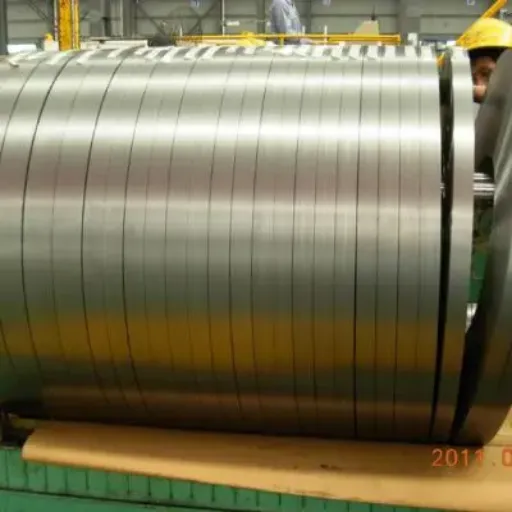
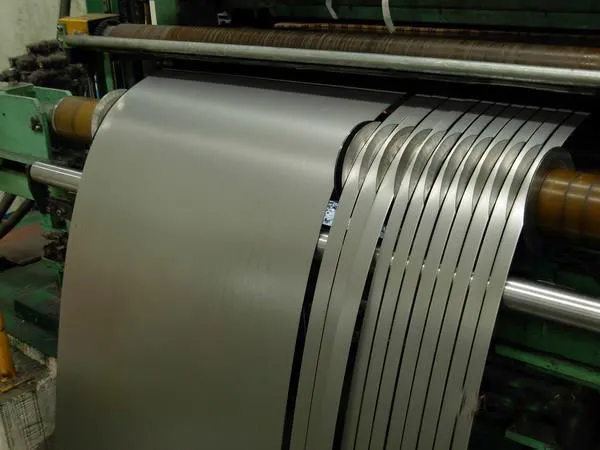
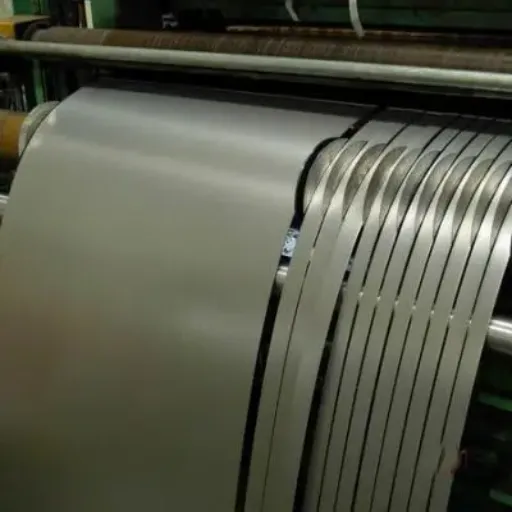
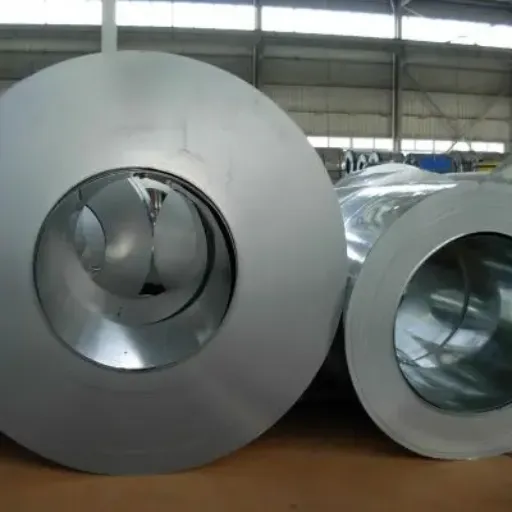
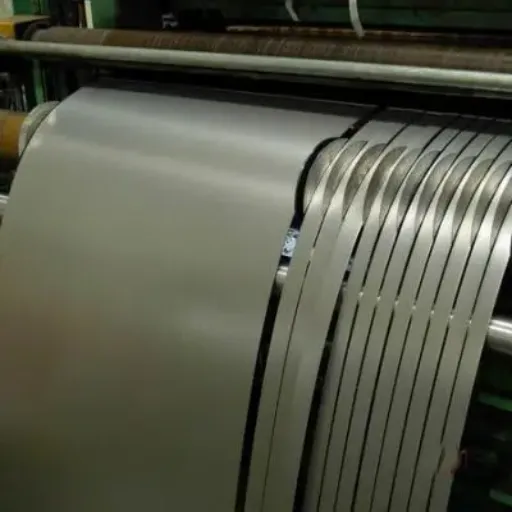
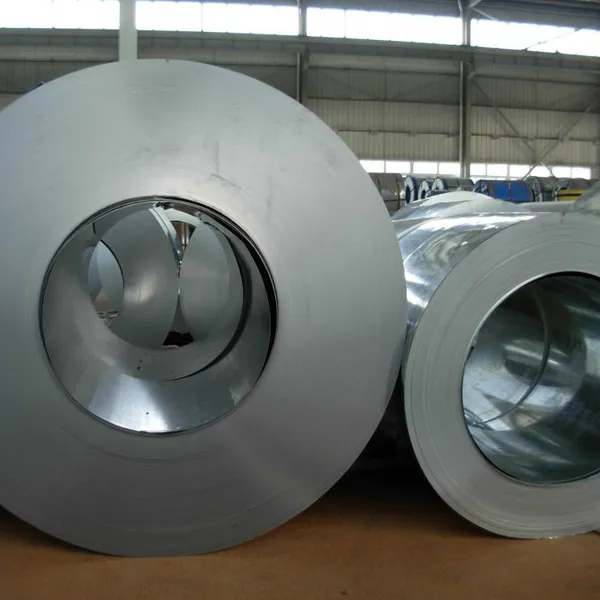
Electrical pure iron coil slitting is the longitudinal cutting of wide master coils into strips of precise widths using rotary knife systems. This technique helps the master coil material to be prepared into catalogued strip lamination designs. For electromagnetic applications using DT4 series pure iron, slitting precision goes a long way in influencing the lamination procedures and final-joint core assembly quality.
The production line mandated with the material flow of various stages continues in a nuanced coordination. Starting from uncoiling and feeding of master coils through rotary disc-type slitters cutting in a longitudinal zigzag manner, the precise guiding systems for maintaining alignment throughout the length of the strip as per the detamping procedure are also established with the continuity of recoiler tension control for precise rewinding on the are set. These slit strips are recoiled into a separate recoiler and kept ready for use in stamping presses or even cut-to-length throwing jets.
Why Standard Slitting Is Insufficient for Electromagnetic Materials
Metal slitting operations, in general, are synonymous with higher priority for throughput over precision, thereby allowing a width tolerance of (-) 0.5mm or even more. This level of variation is highly problematic when it comes to electromagnetic laminations. Unequal widths lead to uneven stacking in the laminated cores that in turn create an air gap thereby increasing magnetic resistance and core losses. If burr planes are high enough to dig into the interlam's insulation, they set up an eddy current path, ultimately generating heat and reducing the core efficiency.
As for electrical grade iron, material purity can be seen as an artery to different characteristics and face additional issues. High purity and low carbon content give superior magnetic performance but yield softer ductile material than most standard steels. Softness implies tension controls and cutting parameters must be modified to affirm edge shape during slitting taking on the desired final dimension.
Dimensional Tolerances and Specifications
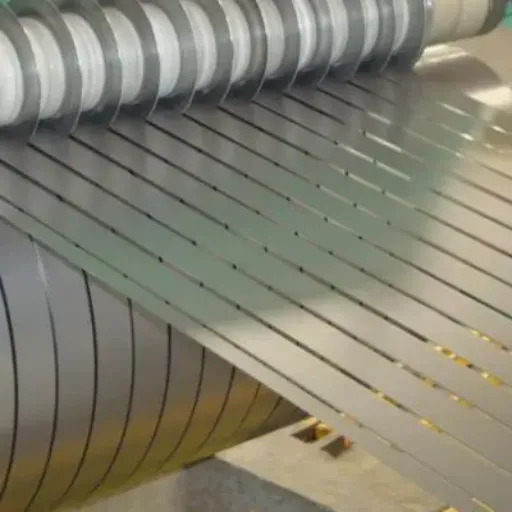
It is crucial to understand that specifying the correct minima and maxima does not just boil down to the art of dealing with the installation and equipment, but also to an understanding of the equipment's capabilities.
Width Tolerance Capabilities
Modern precision slitting lines can achieve various tolerance levels depending on equipment configuration and operating parameters:
| Precision Level | Width Tolerance | Typical Application | Equipment Requirement |
|---|---|---|---|
| Standard Industrial | ±0.3mm to ±0.5mm | General fabrication | Basic slitting line |
| Commercial Precision | ±0.1mm | Standard laminations | CNC-controlled line |
| High Precision | ±0.05mm | Automotive/aerospace | Servo-controlled with laser feedback |
| Ultra-Precision | ±0.01mm | Critical electromagnetic | Advanced servo with real-time correction |
Electrical pure iron used in laminations, that is used in transformers or motors, should hold commerical precision within ±0.1 mm as a target in the narrow setting. High-performance transformers and precision motor cores require a precision of ±0.05mm to maintain uniformly stack heights and avoid any air gaps.
Thickness Considerations
Slitting capabilities vary with material thickness. Thinner materials present greater challenges for edge quality and burr control:
| Thickness Range | Standard Tolerance | Slitting Considerations |
|---|---|---|
| 0.1mm - 0.35mm | ±0.01mm | High-speed motors, EV applications |
| 0.35mm - 0.5mm | ±0.03mm | Distribution transformers |
| 0.5mm - 1.0mm | ±0.05mm | Industrial motors, generators |
| 1.0mm - 3.0mm | ±0.05mm | Structural components, large transformers |
DT4 series pure iron for high-efficiency applications typically falls in the 0.1mm to 0.5mm range, requiring equipment specifically configured for thin-gauge precision slitting.
Slit Width Range
The width of the gap must depend on the capabilities of equipment and the materials to be slitted.
Minimum gap width: 4mm (precision applications), 10mm (standard)
Maximum gap width: 600mm (most equipment), up to 1250mm (specialized equipment)
Role full width: 600mm to 1250mm standard
Number of Slits: Typically 5 to 9 strips per master coil
So, the slits must be figured in terms of lamination design requirements and material yield. Wider strips raise the uses of trim waste at the edges, although they may be essential for certain core geometries.
Burr Control and Edge Quality
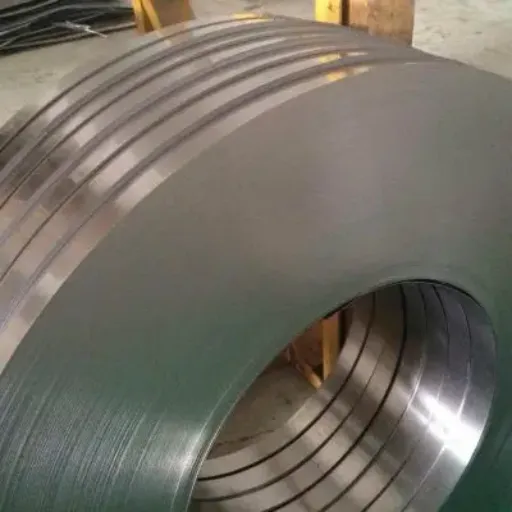
For electromagnetic applications, an important factor in coil slitting is the formation of burrs. Clearly, one needs to scrutinize strategies used to control burr formation during production.
Burr Formation Mechanisms
Burr formation occurs when distortions or dislocations take place in materials being cut instead of clean shearing. Several contributing factors have been identified as causes of burr formation:
Clearance of Tool: Conclusively, the gap between the upper and lower cutting blades must correspond, quite accurately, with the thickness of material. If the clearance is insufficient, rubbing occurs and subsequently leads to heat buildup; if excessive, the material is more likely to tear than shear off cleanly. For DT4 pure iron, the clearance should preferably be within 5% to 10% of the material thickness.
Conditioning of Blade: Burr height considerably increases due to blunt or damaged blades. Carbide edges tend to hold edges longer when compared to steel, although they need to be handled properly so that they do not become shattered. Usually, it is vital that a regular maintenance and blade replacement schedule is kept up for constant edge quality.
Cutting Speed: Excessive speed can result in burr formation, especially in softer materials like pure iron. The speed must rather be optimized and held significant in balancing productivity with the user-defined demands in terms of edge quality.
Material properties: The high-purity iron is generally soft and malleable; hence, it is more inclined to create burrs in comparison to harder materials. This peculiar property, therefore, necessitates specific tooling techniques, grinding tools, and frequent maintenance checks for blades.
Burr Height Standards
Industry standards for burr height vary by application criticality:
| Application Level | Burr Tolerance | Maximum Height | Impact of Excessive Burr |
|---|---|---|---|
| Standard Industrial | ≤10% of thickness | Varies by gauge | Moderate efficiency impact |
| High Efficiency | ≤5% of thickness | ≤0.03mm | Significant loss increase |
| Critical/Precision | Minimal | <0.02mm | Core failure risk |
A mere 20 µm (mi-crometers) rise in burrs creates 10% rise in core losses for transformer applications. The reason is that stringent slitting with appropriate burr control justifies more processing charges for producing highly efficient electromagnetic components.
Edge Quality Parameters
Edge straightness: Camber (longitudinal curvature) must be controlled to prevent feeding problems in automated stamping equipment and ensure uniform stacking. The typical specification is ≤1.5 mm over a 2 m length.
Edge waves: Local dip distortion along the strip edge can create gaps in a laminated core. A flat-lying quality slit strip must show no visible edge wave.
Surface condition: The slit edge must be clean without tears, cracks, or slivers that could compromise the interlaminar insulation or increase the possibilities of stress concentration.
Pure Iron Material Considerations
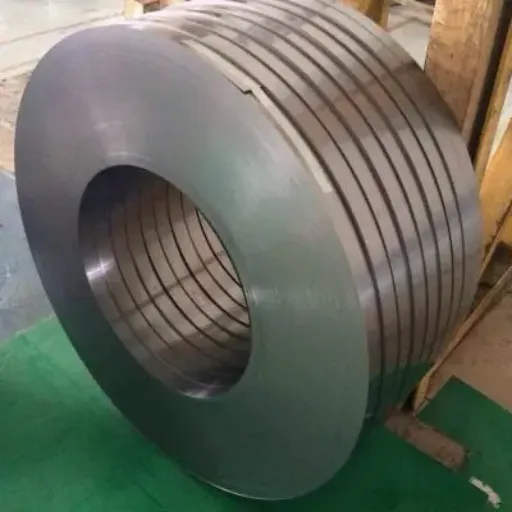
DT4 series pure iron requires specific handling considerations due to its unique combination of magnetic properties and mechanical characteristics.
Material Properties Affecting Slitting
| Property | DT4 Value | Slitting Implication |
|---|---|---|
| Hardness (Cold Rolled) | HV5 ≤195 | Softer than silicon steel, prone to edge deformation |
| Tensile Strength | 176-274 MPa | Lower cutting force required |
| Elongation | ≥25% | Higher ductility requires tension control |
| Iron Content | ≥99.5% | Purity affects work hardening behavior |
Because of its high magnetic permeability, pure iron is nice and soft. So it is very hard to slit during coil processing. In standard slitting equipment conducive to processing harder materials, the slitting of pure iron coils may generate excessive burr or edge distortion.
Specialized Equipment Requirements
There can be a fine slit on mild steel through adequate conditions of equipment configuration:
Loop-type slitting lines: A loop is formed for providing all the differential tension mainly and partly between the works. Absent in the elastic memory, this contributes to pure mild steel not being pulled and disoriented too much for the period of forward and backward quenching.
Tension Control with Precision: In the turn-servo pressure closed machinery, the strip cushion conveyer is kept in full tension the whole time during slitting. Any change in tension can likely lead to thickness inaccuracies and edge quality inconsistency.
Automated Guiding: By a camera or laser, this facility is used for instant edge-tracking guidance while slitting, providing effective edge misalignment reasons for coil length with the variations between the edge quality and edge width.
Real-Time Monitoring: Modern slitting lines are equipped with electronic inspection equipment along the track to check every edge defect, surface line, and exception in any dimension. This self-tuning leads to the system itself so it sends the feedback to direct machine settings to increase the operational efficiencies.
Impact on Magnetic Properties
The stress-cracked surface, both used by slitting, may be found in either ultimate magnetic particles, or light work becomes only about tactical control of such a factor.
Effects of Cold Working
Slitting introduces plastic deformation and residual stresses that alter magnetic behavior:
| Property | Before Slitting | After Slitting | Change |
|---|---|---|---|
| Coercivity (Hc) | ≤32 A/m (DT4C) | Increased 20-40% | Degrades |
| Permeability (μmax) | ≥15 mH/m | Decreased 15-25% | Degrades |
| Residual Stress | Minimal | Significant | Negative |
| Dislocation Density | Low | High | Negative |
Higher coercivity results in a direct increase in hysteresis losses in alternating currents. Where transformers are involved, like in the case of 50 Hz or 60 Hz, this could result in a notable drop in efficiency if heat treatment is not utilized in time.
Stress Relief Annealing Requirements
Post- slitting annealing magnifies nothing but the right magnetic properties through some expected complimentary mechanisms:
Recrystallization: A heat treatment at 1000°C helps generate entirely new grains free from strains to replace the distorted crystal structure gained during cold working. With the process, the dislocations that impede the domain boundary movement for magnetization will be eliminated.
Pressure Release: Thermal energy will facilitate the release of any remaining stresses, thereby restoring some of the soft magnetic characteristics of pure iron for electromagnetic use.
Regeneration of Properties: A properly performed annealing operation after pressure release is beneficial in the reaquisition of up to 90% of the iron's original magnetic properties before the slaughtering. Property regeneration is highly crucial for high-efficiency transformer and motor applications.
Applications and Width Specifications
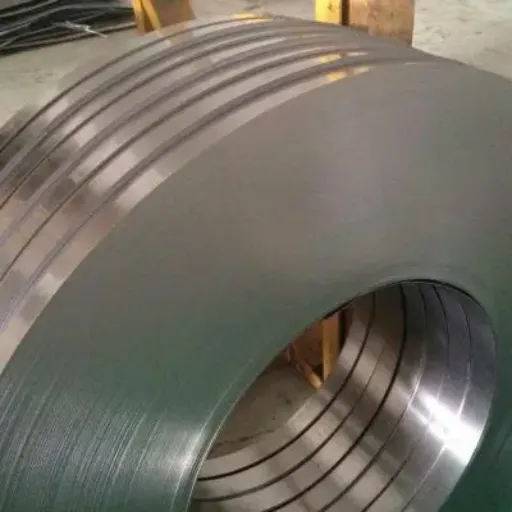
Specified aperture widths and tolerances for electromagnetic applications are dictated by the core design and performance requirements.
Transformer Lamination Slitting
Most distribution transformers:
Slit Width: 40mm to 200 mm (variable with the power level of the transformer)
Thickness: 0.3mm to 0.5mm (normal efficiency)
Tolerance: ±0.1mm (normal efficiency), ±0.05mm (high efficiency)
Burr: ≤5% of thickness
Operationally, it is possible for power utility transformers up to 300 mm wide, and for small control transformers, as narrow as 20 mm is practicable. The lamination design is the driver for the choice of the slit width, needing balance between material utilization and core geometry.
Motor Core Applications
Electric motor laminations have different requirements based on motor size and type:
Industrial Motors:
Slit Width: 50mm to 150mm
Thickness: 0.5mm to 0.65mm
Tolerance: ±0.1mm
EV Traction Motors:
Slit Width: 20mm to 100mm
Thickness: 0.1mm to 0.35mm
Tolerance: ±0.05mm (high-speed operation requirements)
In the high-speed operation requirements for modern EV motors, output should be free-eddy current losses. The lamination needed is therefore very thin with very fine thickness control.
Relay and Solenoid Components
Precision electromagnetic devices require:
Slit Width: Between 10 mm and 50 mm
Thickness: Between 0.2 mm and 1.0 mm
Tolerance: ± 0.1mm
Burr: Minimal (prevents lamination shorts)
Edge quality for these applications is critical for the small size and high performance requirements specific to relay elements.
Width-to-Application Summary
| Application | Slit Width | Thickness | Tolerance |
|---|---|---|---|
| Distribution Transformers | 40-200mm | 0.3-0.5mm | ±0.1mm |
| EV Motor Cores | 20-100mm | 0.1-0.35mm | ±0.05mm |
| Industrial Motors | 50-150mm | 0.5-0.65mm | ±0.1mm |
| Relay Cores | 10-50mm | 0.2-1.0mm | ±0.1mm |
| Magnetic Shielding | 50-300mm | 0.05-0.5mm | ±0.1mm |
Quality Control and Verification
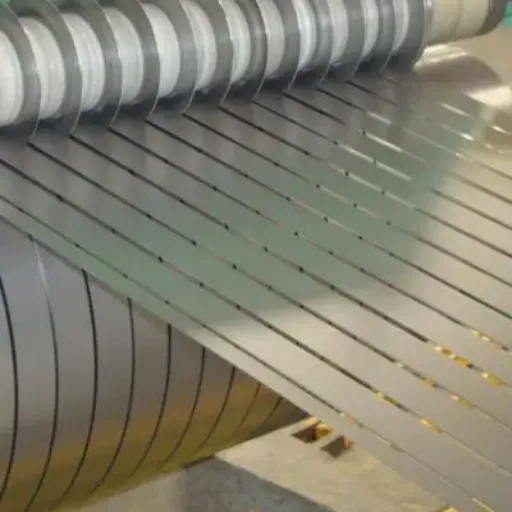
Effective quality control ensures slit coils meet specifications and will perform as expected in production.
In-Line Inspection Systems
Modern shearing lines tend to embed advanced inspection capabilities:
Laser Gauging: The strip width is constantly measured alongside the cutting head in a cloud-based feedback-loop system. Measurement accuracy can reach 0.01 mm and the system offers feedback in real-time.
Inspecting Surface Defects: The CCD camera systems are developed in association with systems for rating the surface for distortion, scratches, and soil particle accumulation. Some of the systems also run on machine-learning tools, capable of forming a distinction between vital and cosmetic anomalies.
Edge Monitoring: FY sensors monitor tip length, burr height, and edge cracks and surface corrosion. With diminishing edge quality, the system will signal this to the process conditions to respond on time.
Laboratory Verification
The incoming inspection of slit coils should check for:
Dimensional Checks: Using calibrated micrometers or optical measurement systems, the width should be taken across the coil length at various places to ensure a good finish, proper thickness, and good edge condition.
Scanning for Burr: Measure the burr height across the sample on the coil length using profilometer or other appropriate instruments. Random sampling along the coil ensures a good-quality product.
Magnetic Testing: To test the magnetic properties of the material and their compliance with the relevant grade standards after slitting and annealing, one uses Epstein or single sheet testers. Measurements of coercivity and permeability ensure that the material meets grade requirements.
Documentation Requirements
Slit suppliers with a zealous devotion to quality have complete documentation:
The mill test certificates
The slitting process parameters and settings
In-line inspection data summaries
The sample measurement reports
Conformity certificate to specs of the work
Standards and Specifications
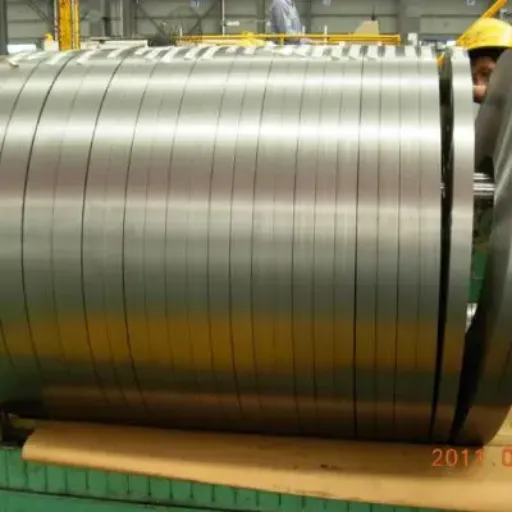
Electrical pure iron coil slitting should comply with relevant material and processing standards.
Material Standards
| Standard | Scope | Key Requirements |
|---|---|---|
| GB/T 6983-2008 | Electromagnetic pure iron | Chemical composition, magnetic properties |
| IEC 60404 | Magnetic materials | Testing methods, property measurement |
| ASTM A848 | Low-carbon magnetic iron | International material specifications |
Processing Standards
| Standard | Application | Relevance |
|---|---|---|
| GB/T 708 | Cold rolled steel plate | Dimensional tolerances |
| ISO 2768 | General tolerances | Dimensional standards for machined parts |
| IATF 16949 | Automotive quality | Quality management for automotive supply |
Compliance with these standards ensures material and processing quality meet industry expectations for electromagnetic applications.
Choosing a Slitting Service Provider
Selecting the right slitting partner requires evaluating capabilities beyond basic equipment specifications.
Key Capability Evaluation
Material Expertise: Providers with profound knowledge of pure iron are well acquainted with all the intricacies that soft and ductile materials could potentially present. A steel-slitting operator in general may not have the experience to cut pure iron properly.
Integrated Annealing: Suppliers giving stress relief annealing on their premises would send the coiled offering to two steps toward the restoration of magnetic properties without further expenses of any interim operation.
Quality Systems: Find solace in ISO-certified practices, and with complete documentation in place, build faith in the streamlining of the output. Ask for sample documentation and documentation of the process.
Technical Support: Make sure that when finalizing slit sizes for lamination designs, there are engineers knowledgeable about electromagnetic applications supporting the effort to optimize for your particular requirements.
Jurun's Integrated Advantage
Shanxi Jurun Technology is located in Taiyuan of China, which is one of the primary and biggest sources of pure iron in production. We provide slitting and annealing services ideal for the processing of DT4 series of pure iron. Our high precision slitting can achieve ±0.1mm standard tolerance, optionally going as low as ±0.01mm for critical works. Using in-house annealing services for stress relief, slit coils are imparted with restored magnetic properties and are prepared for immediate lamination production.
Conclusion
Splitting of electrical pure-iron coils is a crucial part of the first processing step which directly affects the performance of transformers, motors, and electromagnetic pieces. The width tolerances as well as the control of burrs and the re-establishing of magnetic properties by annealing all contribute to the ultimate efficiency and reliability of the final product.
What to remember if specifying and ordering:
1. Tolerance requirements: For electromagnetic laminations, width tolerance must always adhere to the critical application and should go no further than ±.i mm
2. Burr control: Burr height of no more than 5% of thickness should be used for high-efficiency applications
3. Edge Quality: Specify no personal identification mark, straight edges free of any cracks or slivers that may pose a threat to the integrity of the lamination
4. Annealing setup: Plan to have post-slitting stress relief annealing to regain the properties of magnetic weakening by working cold
5. Quality check: Inspection plan should include incoming checks of dimensions and magnetic properties
Investment in the precision slitting definitely pays off in terms of increased core efficiency, minimized scrap rates, and consistent quality of manufacturing. Appreciating these requirements helps the sourcing team be about to gauge supplier capabilities and stipulate essential requirements.
For your next laminate production set employing precision slit core reels of pure iron, review the manner in which the breadth of slitting and annealing services can ease your supply chain, thereby guaranteeing the fullest potential performance of exotic materials. The best partnership in processing would only be delivering slit coils but as well as production-ready prep for your electromagnetic application.
Frequently Asked Questions (FAQs)
How does magnetic properties of metallic pure Fe change during slitting?
A mechanical stress, originated from cutting, can bring a change in the magnetic permeability of the metal. The sheet cutting force and deformation effects must be closely controlled and below the maximum permissible level. In order for the material to retain its conductivity, these factors must be controlled. Also to avoid the probable rise of core loss in your final product, you may have to run a re-anneal treatment that will ensure an optimal magnetic performance.
By what methods do exact tolerance of width get ensured during coil slitting?
Committed to appreciating the art of making slitting tools, we had our strips rolled with stands that could do longitudinal sheering. So set, so lined up that one would say a precision strip. The use of computer software for perfectly placed spacing builds up the sharpness of edges to a point where there is not even an halting of weave across the width of the material. Continuous tension applied throughout the slitting line allows the pure iron coils to remain in perfect, warp-free alignment. This approach eliminates edge waves and instead provides an accurate fit for your application of the transformer.
Why is edge burr reduction so important for electrical builds?
This will damage the insulation on electrical components. Very high-grade and especially engineered shear rotary cutters are deployed for expert cutting, to ensure that stripping is accomplished without leaving behind patterned surfaces. The proposed cut-but-not-cut edges will prevent shorts from happening and make a significant addition to the stacking factor in the lamination making procedures. An early claim in cost-savings methods for your business is having strips already thoroughly cleaned and with the coils ready for winding.
Recently Posted
-
Shanxi Jurun Technology: Your Electromagnetic Pure Iron Partner from Taiyuan, China's Pure Iron Prod
August 14, 2026When an international buyer searches for electromagnetic pure iron, they are not just looking for a material. They are looking for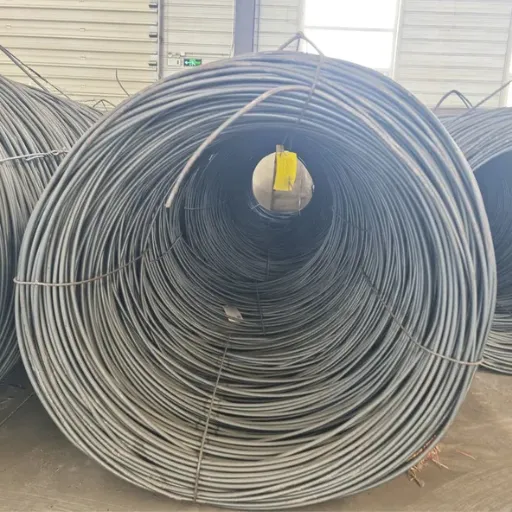 Read More
 -
Cold Drawing Process for Electromagnetic Pure Iron Wire: How Wire Rod Becomes Precision Cold-Drawn W
August 13, 2026Not long ago, a solenoid valve manufacturer in Italy received a shipment of 5.5 mm electromagnetic pure iron cold-drawn wire inten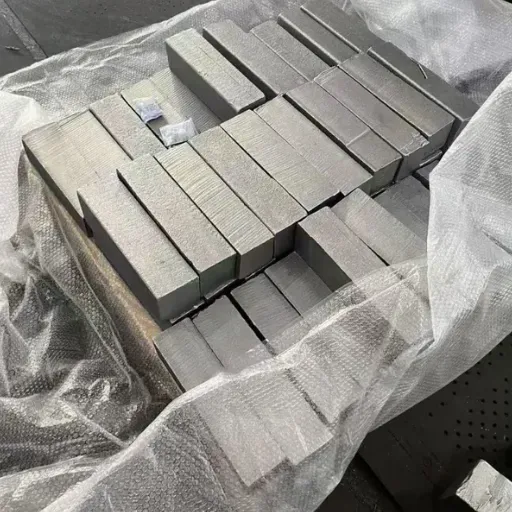 Read More
 -
How to Choose a Food Vacuum Sealer Supplier in China: 8 Evaluation Criteria
August 13, 2026An e-commerce brand owner in the UK contacted us some time ago after a supplier relationship fell apart. They had sourced roughly Read More
 -
Electromagnetic Pure Iron for Relay Manufacturing: Material Requirements, Grade Selection, and Case
August 13, 2026Some time ago, a relay production line in Zhejiang province began experiencing a puzzling failure pattern. Roughly 3 out of every
Read More

Contact Us
Recommended Products
-
 Seamless Tube With Good Cold Electrical Pure Iron Fittings Hot Workability for Forming Fittings and ConduitsNegotiableMOQ: 1 Ton
 -
Electromagnetic Pure Iron Forging for Automotive Sensor ManufacturingNegotiableMOQ: 100 Kilograms
-
Precision Cut Pure Iron Square Bar High Saturation Induction Raw Material for Generator and RotorNegotiableMOQ: 100 Kilograms
-
DT4C Super Grade Electromagnetic Pure Iron Bright Bar With Bundle Weight 30-100kg for Easy TransportationNegotiableMOQ: 1 Ton
-
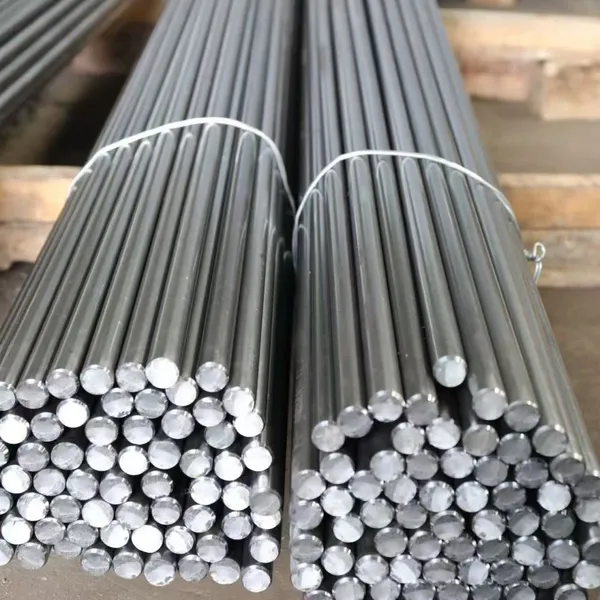
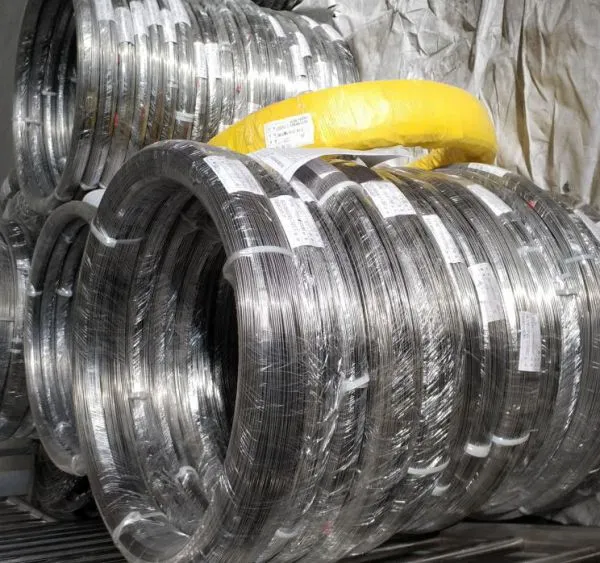
DT4C Electromagnetic Pure Iron Cold-Drawn Wire 0.5mm-6.0mm Diameter for TransformersNegotiableMOQ: 100 Kilograms
-
Industrial Pure Iron Bar for Electromagnetic Relay and Sensor ProductionNegotiableMOQ: 1 Ton
-
Electromagnetic Pure Iron Thin Sheet 0.3mm-0.8mm for Solenoid and Relay ManufacturingNegotiableMOQ: 500 Kilograms
-
Electrical Pure Iron Hot-Rolled Coil for Magnetic Components With Low Iron LossNegotiableMOQ: 1 Ton
-
Low Carbon DT4C Pure Iron Round Bar With 99.8% Fe Content for Electrical ApplicationsNegotiableMOQ: 1 Ton
-
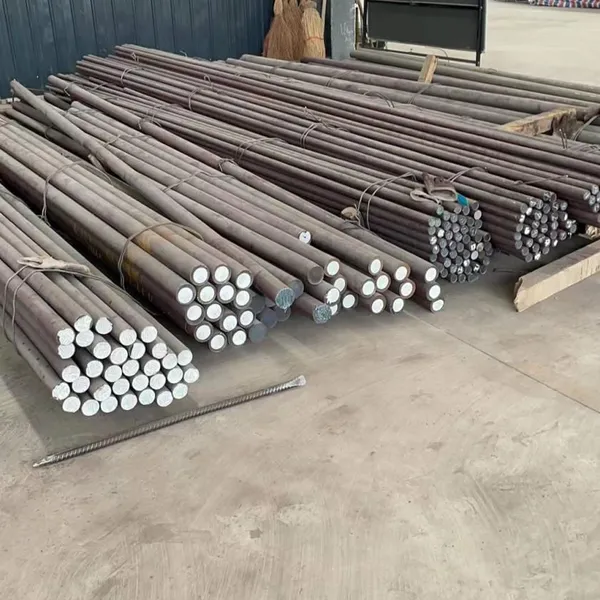
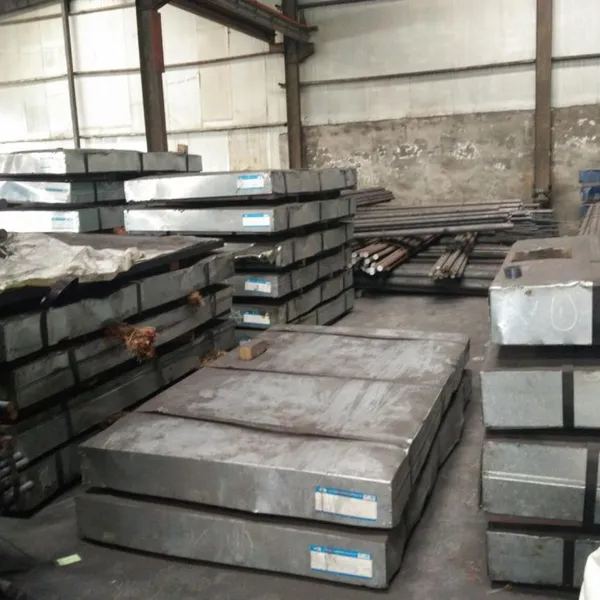
Cold Rolled Pure Iron Slit Coil DT4C Grade Ultra Low Carbon ≤0.004% for Magnetic ComponentsNegotiableMOQ: 1 Ton
-
Low Iron Loss Electromagnetic Pure Iron Hot-Rolled Coil DT4C for Transformer CoresNegotiableMOQ: 1 Ton
-
Soft Magnetic Pure Iron Sheet With Minimum Iron Loss for High-Efficiency MotorsNegotiableMOQ: 1 Ton
-
Electromagnetic Pure Iron Cold Rolled Coil DT4C for High Magnetic Permeability ApplicationsNegotiableMOQ: 1 Ton
-
Industrial Pure Iron Tube Superior Surface Quality Electromagnetic Pure Iron Tube for Welding and Plating ProcessesNegotiableMOQ: 1 Ton
-
DT4 Seamless Pure Iron Tubing for High-Performance Electrical Equipment ApplicationsNegotiableMOQ: 1 Ton
-
DT4C Iron Wire Rod for Precision Magnetic Shielding ApplicationsNegotiableMOQ: 100 Kilograms
-
Industrial Pure Iron Fittings DT4 Pure Iron Seamless Tube With Low Hysteresis Loss for Electromagnetic SystemsNegotiableMOQ: 1 Ton
-
DT4C Cold Rolled Coil Slitting for Electrical Enclosure ManufacturingNegotiableMOQ: 1 Ton
-
Anti Rust Coated Pure Iron Square Bar Low Carbon Raw Material for Welding and Forging Magnetic PartsNegotiableMOQ: 100 Kilograms
-
DT4 Pure Iron Cold-Drawn Wire 0.5mm-6.0mm Diameter for Precision EngineeringNegotiableMOQ: 500 Kilograms