
 Business License

Electromagnetic Pure Iron vs. Silicon Steel: Magnetic Performance and Cost Comparison
A while back, an engineering team at an industrial automation company in Germany was designing a new DC solenoid actuator for a high-cycle valve application. The initial prototype used 0.5 mm grain-oriented silicon steel laminations — a default choice carried over from the company's AC motor designs. The actuator drew roughly 18% more current than the target specification, and the core ran noticeably warm after 30 minutes of continuous duty. When the team replaced the silicon steel stack with a solid DT4C electromagnetic pure iron core, the magnetizing current dropped by 22%, the operating temperature fell by roughly 14°C, and the actuator met all performance targets. The silicon steel had been the wrong material for the job from the beginning — not because of any defect, but because its properties were optimized for a completely different electrical environment.
This scenario plays out regularly in electromagnetic component design. Silicon steel and electromagnetic pure iron are both soft magnetic materials, both iron-based, and both used in devices that rely on magnetic flux. But their differences are substantial enough that choosing the wrong one can lead to excessive energy consumption, thermal management problems, or outright functional failure. This article compares the two materials across the properties that matter in real engineering decisions: magnetic behavior, electrical characteristics, mechanical formability, and cost.
1. What Makes Silicon Steel Different from Electromagnetic Pure Iron
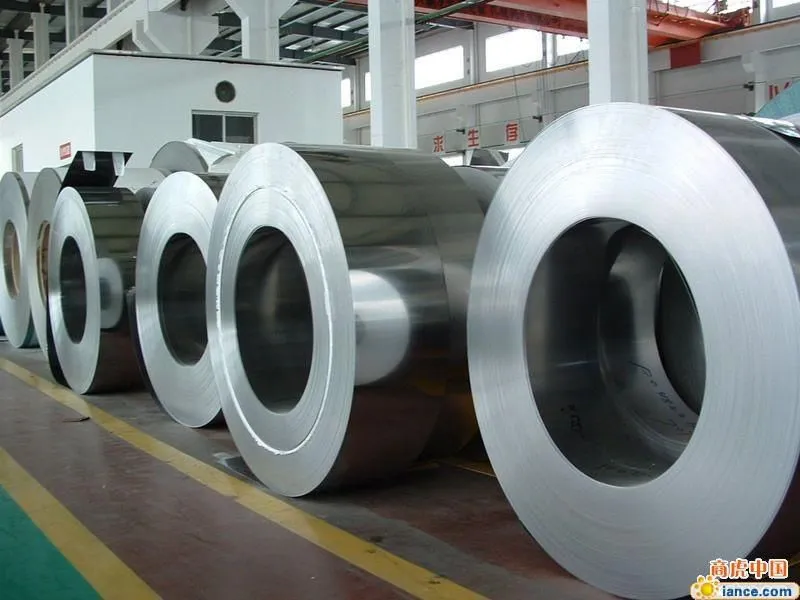
Silicon steel — also called electrical steel — is an iron-silicon alloy containing typically 0.5% to 6.5% silicon by weight. The silicon addition serves a specific purpose: it increases the electrical resistivity of the material, which suppresses eddy current formation when the steel is subjected to alternating magnetic fields. This makes silicon steel the dominant core material for AC machines — transformers, motors, and generators operating at line frequencies of 50 Hz or 60 Hz.
Electromagnetic pure iron, by contrast, contains no deliberate silicon addition beyond a residual maximum of roughly 0.20%. Its electrical resistivity is approximately 0.10 μΩ·m, roughly 4–5 times lower than that of a typical 3% silicon steel. This low resistivity is a disadvantage under AC excitation — eddy currents form readily, generating heat — but it has essentially no penalty in DC applications where the magnetic field is static or switches at low frequencies below roughly 5 Hz.
The fundamental trade-off is straightforward: silicon steel sacrifices saturation induction and low-field permeability to gain resistivity and reduce AC core loss. Electromagnetic pure iron sacrifices resistivity to gain saturation induction, permeability, and coercivity performance. Which material is "better" depends entirely on whether the excitation is AC or DC, and at what frequency.
2. Magnetic Property Comparison: The Numbers That Matter
The table below compares the key magnetic and electrical properties of electromagnetic pure iron (DT4C grade, annealed) against two common silicon steel grades: a non-oriented M400-50A (roughly 2.4% Si) and a grain-oriented M4 (roughly 3.2% Si).
| Property | Electromagnetic Pure Iron (DT4C) | Non-Oriented Silicon Steel (M400-50A) | Grain-Oriented Silicon Steel (M4) |
|---|---|---|---|
| Saturation Induction Bs (T) | ~2.15 | ~2.03 | ~2.03 |
| Coercivity Hc (A/m) | ≤48 (annealed) | ~80–120 | ~8–15 (rolling dir.) |
| Max Relative Permeability μmax | ≥12,000 | ~4,000–8,000 | ~30,000–40,000 (rolling dir.) |
| Electrical Resistivity (μΩ·m) | ~0.10 | ~0.44 | ~0.48 |
| Core Loss at 1.5T / 50Hz (W/kg) | ~8–12 (solid) | ~3.5–4.5 | ~1.0–1.5 |
| Core Loss at DC (W/kg) | Negligible | Negligible | Negligible |
| Density (g/cm³) | ~7.87 | ~7.70 | ~7.65 |
A few patterns stand out immediately. Electromagnetic pure iron delivers roughly 6% higher saturation induction than either silicon steel grade — a meaningful margin when the design goal is maximum force output in a given core cross-section. Its coercivity of ≤48 A/m is substantially better than non-oriented silicon steel's 80–120 A/m, translating to cleaner demagnetization and lower hysteresis loss in DC switching applications. However, the core loss at 50 Hz tells the opposite story: pure iron loses roughly 2–3 times more energy per kilogram under AC excitation than non-oriented silicon steel, and roughly 8 times more than grain-oriented material in its preferred rolling direction.
3. AC vs. DC: The Application Split That Drives Material Choice
If there is one rule of thumb that simplifies the entire pure iron versus silicon steel decision, it is this: for devices operating primarily on DC or low-frequency excitation below roughly 5–10 Hz, electromagnetic pure iron generally outperforms silicon steel on both magnetic and economic grounds. For devices operating at 50/60 Hz line frequency or higher, silicon steel is the correct choice unless the design has unusual constraints that override core loss considerations.
This split explains why electromagnetic pure iron dominates in DC solenoids, relay cores, magnetic locks, electromagnetic brakes, and DC lifting magnets — all devices where the magnetic field is essentially static during the "on" state, making eddy current losses irrelevant. The higher saturation induction of pure iron directly translates to higher holding force or faster actuation in these applications.
Conversely, silicon steel dominates in AC motors, power transformers, distribution transformers, and generators — devices where the core material experiences continuous magnetic reversal at 50 Hz or 60 Hz for thousands of hours per year. In these applications, the core loss advantage of silicon steel compounds over the equipment lifetime, often justifying a significantly higher material cost because the energy savings recover the premium within 2–3 years of operation.
4. Where the Boundary Blurs: Mixed-Frequency Applications
Not every application falls cleanly on one side of the AC/DC divide. PWM-driven solenoid valves, for example, operate with a DC-biased waveform that contains high-frequency switching harmonics. The fundamental excitation may be DC or low-frequency, but the switching edges introduce AC components that can generate eddy current heating in a solid pure iron core.
In these borderline cases, the engineering decision often comes down to two strategies: either use laminated electromagnetic pure iron — stacking thin sheets insulated from each other, similar to a transformer core — to suppress eddy currents while retaining the material's DC magnetic advantages, or use a silicon steel lamination stack and accept the permeability and saturation penalty for better high-frequency behavior.
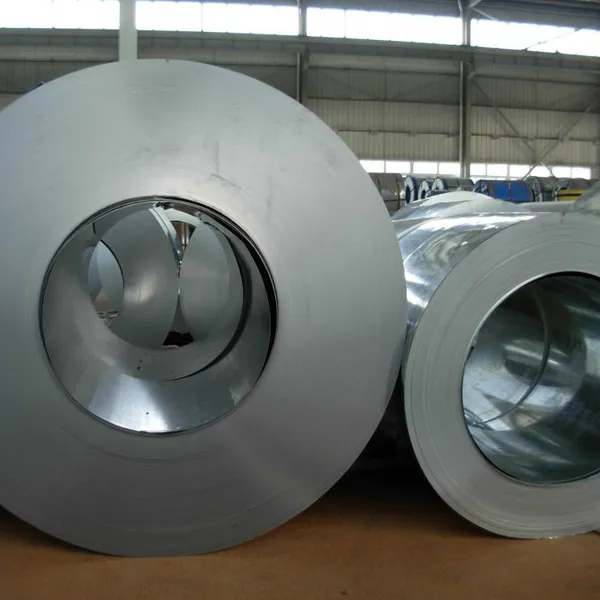
Laminated pure iron stacks are less common than laminated silicon steel because pure iron strip below 0.5 mm thickness is more expensive to produce and the lamination process adds manufacturing cost. However, they do exist for specialized DC pulse applications in aerospace and medical equipment where the combination of high saturation and moderate AC performance is needed. At Shanxi Jurun Technology, cold-rolled pure iron coil in thicknesses down to 0.3 mm is available for customers considering laminated core designs, though the team typically recommends evaluating whether a standard silicon steel lamination might serve the application more cost-effectively before committing to a custom pure iron lamination solution.
5. Mechanical and Fabrication Differences
Beyond magnetic properties, the two materials differ in ways that affect downstream manufacturing. Silicon steel, particularly grades above 2.5% silicon, becomes progressively harder and more brittle as silicon content increases. At 3.2% silicon — a common level for grain-oriented grades — the material has limited cold formability and is essentially restricted to stamped lamination shapes. Drilling, tapping, and welding grain-oriented silicon steel require special tooling and procedures.
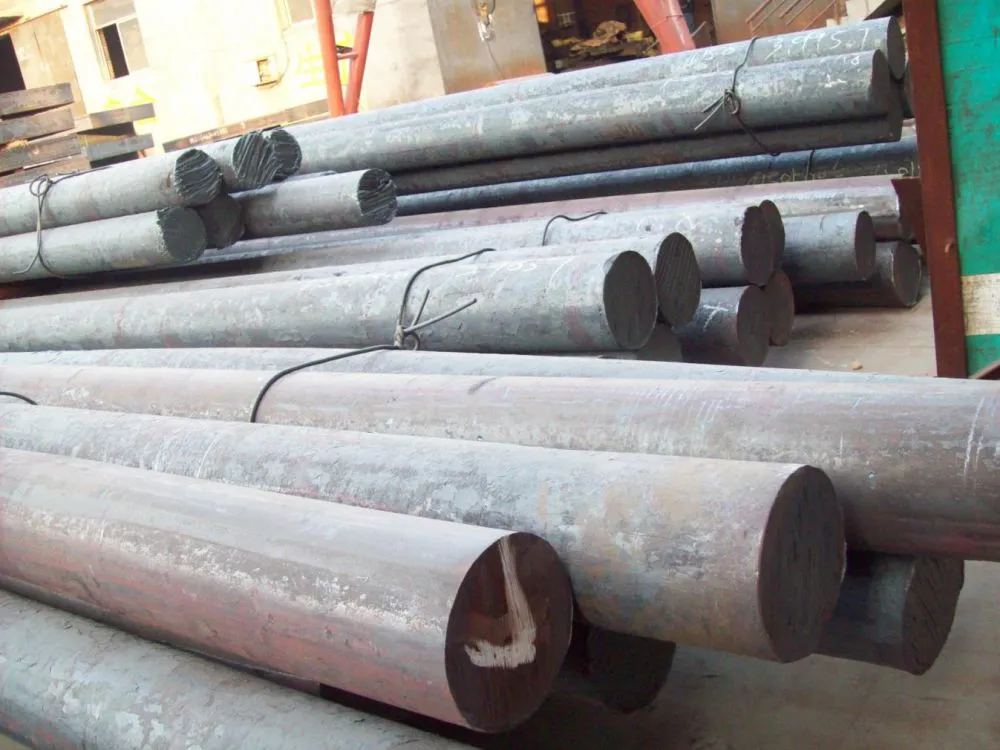
Electromagnetic pure iron, with its low alloy content, machines and forms much like a mild steel. It can be cold-drawn into wire, turned on a lathe, milled, drilled, and tapped using standard tooling. This makes it the practical choice for three-dimensional electromagnetic components — solenoid plungers, relay armatures, valve cores — that cannot be economically produced from flat silicon steel laminations. The ability to produce a net-shape or near-net-shape component from pure iron bar or wire rod, rather than stacking and bonding laminations, often eliminates several manufacturing steps and reduces per-part cost even when the raw material price is similar.
6. Cost Comparison: Raw Material and Total Component Cost
Per-ton pricing for electromagnetic pure iron and silicon steel overlaps more than many buyers expect. As of mid-2026, DT4-grade electromagnetic pure iron hot-rolled wire rod typically trades in the range of roughly $800–1,100 per ton FOB Chinese port, depending on quantity and grade. Non-oriented silicon steel coil (M400-50A grade) trades in a similar range — roughly $900–1,200 per ton — while grain-oriented silicon steel commands a premium at roughly $1,800–2,500 per ton depending on grade and thickness.
However, raw material cost per ton is not the number that matters for component cost. A solid pure iron solenoid core machined from bar stock might weigh 120 grams and require 90 seconds of machining time. A functionally equivalent laminated silicon steel core might consist of 25 individual stampings that require die tooling, stacking, bonding, and potentially annealing — a multi-step process that can cost 2–3 times more per part even when the per-ton material price is comparable.
A precision solenoid manufacturer in Southeast Asia evaluated this exact trade-off not long ago. For an annual volume of roughly 80,000 units, the solid DT4C pure iron core approach came in at approximately $1.85 per part all-in, versus $3.40 for the laminated silicon steel alternative. The deciding factor was not material cost — both were near $1,000 per ton — but the manufacturing route difference between single-piece machining and multi-piece lamination assembly.
7. Case Study: DC Relay Core Material Switch
A relay manufacturer in Jiangsu province, producing roughly 200,000 DC power relays annually, had been using 0.5 mm non-oriented silicon steel laminations for the relay core and armature. The relays operated on 24V DC with a switching frequency below 0.5 Hz — effectively a quasi-static application where eddy current losses were negligible. Despite this, the company had inherited the silicon steel specification from an earlier AC relay product line and had never revisited the material choice.
After trialing DT4C electromagnetic pure iron cold-drawn bar for the core and armature, the manufacturer documented a 15% reduction in coil power consumption (from roughly 3.5W to 3.0W per relay) and a 30% improvement in release time consistency — the pure iron armature demagnetized more cleanly, eliminating a sporadic sticking issue that had generated roughly 1.2% field returns. The per-relay material cost remained essentially unchanged because the solid pure iron bar, while slightly more expensive per kilogram than silicon steel sheet, eliminated the stamping, stacking, and riveting steps previously required. Annual savings from reduced coil copper, lower warranty returns, and simplified assembly totaled approximately $67,000.
8. Case Study: Transformer Core — When Silicon Steel Wins Decisively
A small transformer manufacturer in Eastern Europe designed a 5 kVA control transformer for industrial equipment. The initial prototype used a wound core made from 0.35 mm DT4 cold-rolled pure iron strip, selected because the company's existing supply chain for pure iron was simpler than sourcing grain-oriented silicon steel. At 50 Hz excitation, the transformer core loss measured roughly 38W under full load, and the unit ran approximately 18°C above ambient after 4 hours of continuous operation.
When the core was replaced with M4 grain-oriented silicon steel of the same thickness, core loss dropped to roughly 12W under identical test conditions — a 68% reduction — and steady-state temperature rise fell to approximately 8°C above ambient. The lesson was unambiguous: for continuous AC operation at line frequency, the core loss advantage of silicon steel is overwhelming, and any attempt to substitute pure iron will produce a transformer that runs hot, wastes energy, and may fail to meet efficiency regulations such as EU Ecodesign Tier 2 requirements.
9. Decision Framework: Five Questions to Ask
When facing a pure iron versus silicon steel material decision, five questions typically point to the correct answer:
First, is the excitation primarily DC or AC at 50/60 Hz? DC → lean toward pure iron. AC at line frequency → lean toward silicon steel.
Second, does the component shape require three-dimensional geometry that cannot be produced from flat laminations? If yes, pure iron is often the only practical choice regardless of excitation type.
Third, is the component volume high enough to justify lamination tooling? At volumes below roughly 5,000–10,000 units per year, the tooling cost for silicon steel laminations may make machined pure iron the more economical option even for borderline AC/DC applications.
Fourth, is energy efficiency regulated? Transformers and motors sold into markets with mandatory efficiency standards (EU, North America, Japan) should use silicon steel for AC cores. Pure iron will almost never meet the efficiency requirements for regulated AC equipment.
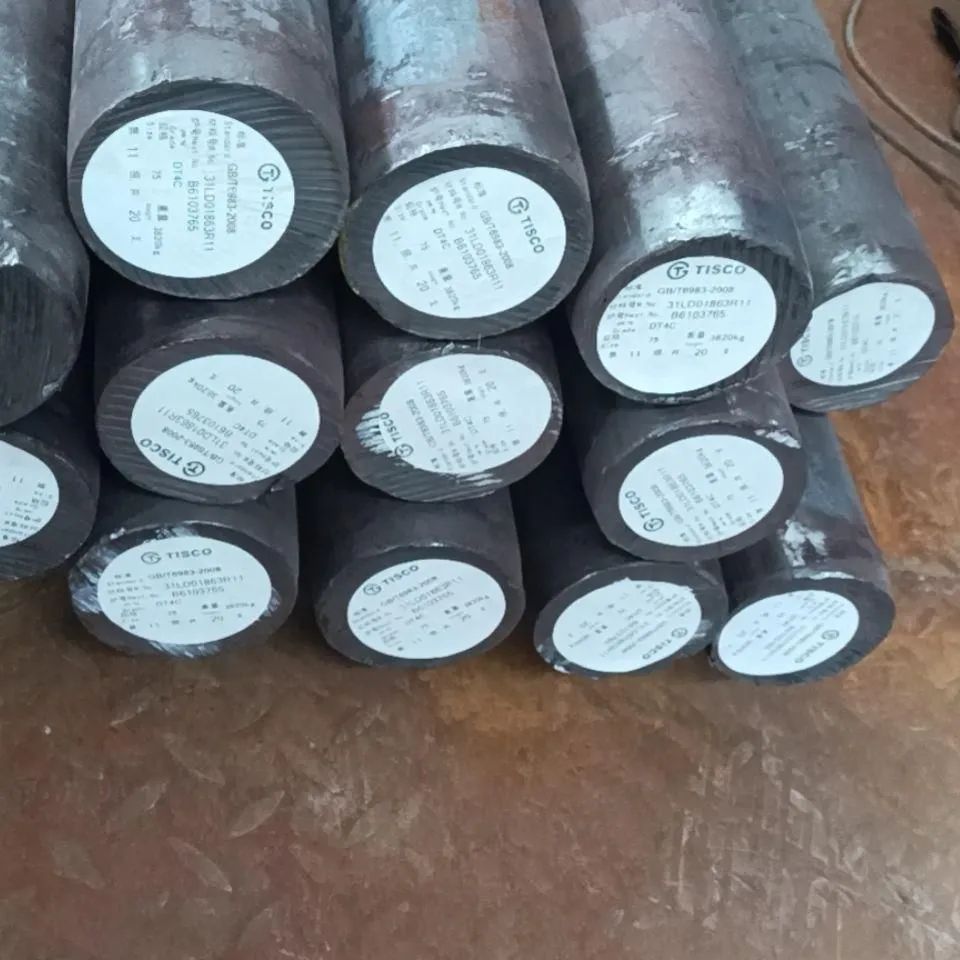
Fifth, is there a supply chain reason to prefer one material over the other? Buyers sourcing from China's electromagnetic pure iron supply base, including suppliers such as Jurun Tech based in Taiyuan, may find pure iron more readily available in a wider range of forms and smaller minimum order quantities than grain-oriented silicon steel, which is produced by a more concentrated set of mills. The company maintains inventory of electromagnetic pure iron in hot-rolled wire rod, cold-drawn wire, and cold-drawn bar across DT4 and DT4C grades for rapid shipment.
10. Frequently Asked Questions
10.1 Can electromagnetic pure iron be used in a 50 Hz transformer core?
Technically yes, but practically no — at least not in any application where energy efficiency matters. Electromagnetic pure iron has electrical resistivity roughly one-fifth that of grain-oriented silicon steel, resulting in eddy current losses that are 5–10 times higher at 50 Hz. A pure iron transformer core would run hot, waste energy, and would likely fail to meet regional efficiency regulations. The only scenario where pure iron might be considered for a line-frequency transformer is a very low-duty-cycle application — operating for seconds at a time, with long cooling intervals — where core loss is not a limiting factor and some other property of pure iron (such as machinability into a complex shape) provides an overriding advantage.
10.2 Is silicon steel more expensive than electromagnetic pure iron?
Not consistently. Non-oriented silicon steel and electromagnetic pure iron trade in broadly similar per-ton price ranges. Grain-oriented silicon steel is typically more expensive — roughly 1.5–2.5 times the price of pure iron — due to its more complex manufacturing process. However, per-ton price is rarely the relevant metric. The total component cost, including manufacturing steps, tooling amortization, and yield, often favors pure iron for three-dimensional DC components and silicon steel for flat laminated AC components, regardless of which raw material costs more per ton.
10.3 Can silicon steel be machined like pure iron?
No. Silicon steel with silicon content above roughly 2% becomes too hard and brittle for conventional machining operations like turning, milling, and drilling. The material chips rather than cuts cleanly and causes tool wear. Silicon steel components are almost always produced by stamping or laser cutting from thin sheet (0.23–0.65 mm thickness), then stacked and bonded. If a design requires a solid, machined core with complex geometry, electromagnetic pure iron is the practical choice.
10.4 What happens if you use electromagnetic pure iron in an AC electromagnet?
An AC electromagnet with a solid pure iron core will experience significant eddy current heating. The core temperature will rise rapidly — often reaching 80–100°C within 10–15 minutes of continuous 50 Hz operation — and the magnet will draw higher current than a laminated silicon steel equivalent. For AC electromagnets that operate continuously, laminated silicon steel is strongly recommended. For those with very low duty cycles — energizing for 2–3 seconds every few minutes — solid pure iron may be acceptable if the temperature rise stays within limits. The company recommends thermal testing under worst-case conditions before finalizing material selection for AC applications.
Recently Posted
-
Shanxi Jurun Technology: Your Electromagnetic Pure Iron Partner from Taiyuan, China's Pure Iron Prod
August 14, 2026When an international buyer searches for electromagnetic pure iron, they are not just looking for a material. They are looking for Read More
 -
Cold Drawing Process for Electromagnetic Pure Iron Wire: How Wire Rod Becomes Precision Cold-Drawn W
August 13, 2026Not long ago, a solenoid valve manufacturer in Italy received a shipment of 5.5 mm electromagnetic pure iron cold-drawn wire inten Read More
 -
How to Choose a Food Vacuum Sealer Supplier in China: 8 Evaluation Criteria
August 13, 2026An e-commerce brand owner in the UK contacted us some time ago after a supplier relationship fell apart. They had sourced roughly Read More
 -
Electromagnetic Pure Iron for Relay Manufacturing: Material Requirements, Grade Selection, and Case
August 13, 2026Some time ago, a relay production line in Zhejiang province began experiencing a puzzling failure pattern. Roughly 3 out of every
Read More

Contact Us
Recommended Products
-
 Seamless Tube With Good Cold Electrical Pure Iron Fittings Hot Workability for Forming Fittings and ConduitsNegotiableMOQ: 1 Ton
 -
Electromagnetic Pure Iron Forging for Automotive Sensor ManufacturingNegotiableMOQ: 100 Kilograms
-
Precision Cut Pure Iron Square Bar High Saturation Induction Raw Material for Generator and RotorNegotiableMOQ: 100 Kilograms
-
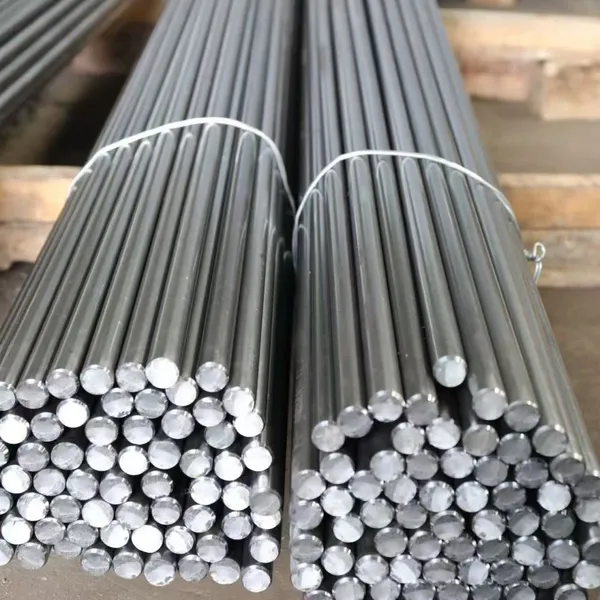
DT4C Super Grade Electromagnetic Pure Iron Bright Bar With Bundle Weight 30-100kg for Easy TransportationNegotiableMOQ: 1 Ton
-
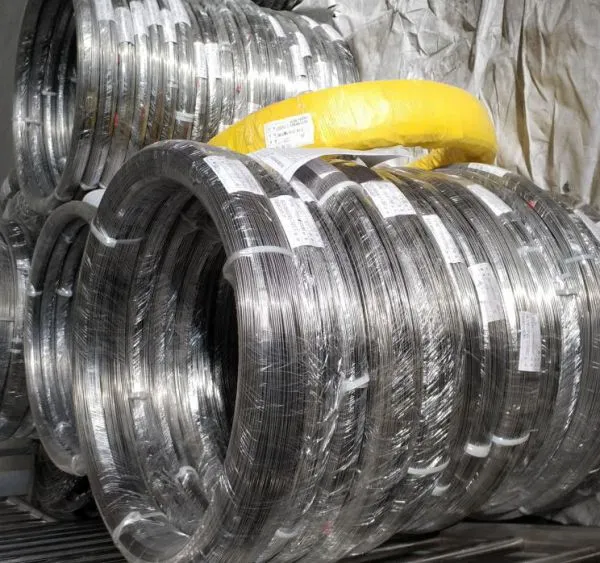
DT4C Electromagnetic Pure Iron Cold-Drawn Wire 0.5mm-6.0mm Diameter for TransformersNegotiableMOQ: 100 Kilograms
-
Industrial Pure Iron Bar for Electromagnetic Relay and Sensor ProductionNegotiableMOQ: 1 Ton
-
Electromagnetic Pure Iron Thin Sheet 0.3mm-0.8mm for Solenoid and Relay ManufacturingNegotiableMOQ: 500 Kilograms
-
Electrical Pure Iron Hot-Rolled Coil for Magnetic Components With Low Iron LossNegotiableMOQ: 1 Ton
-
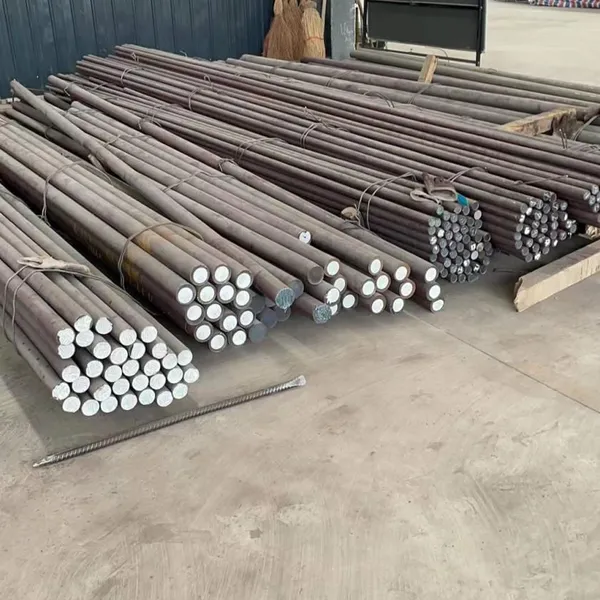
Low Carbon DT4C Pure Iron Round Bar With 99.8% Fe Content for Electrical ApplicationsNegotiableMOQ: 1 Ton
-
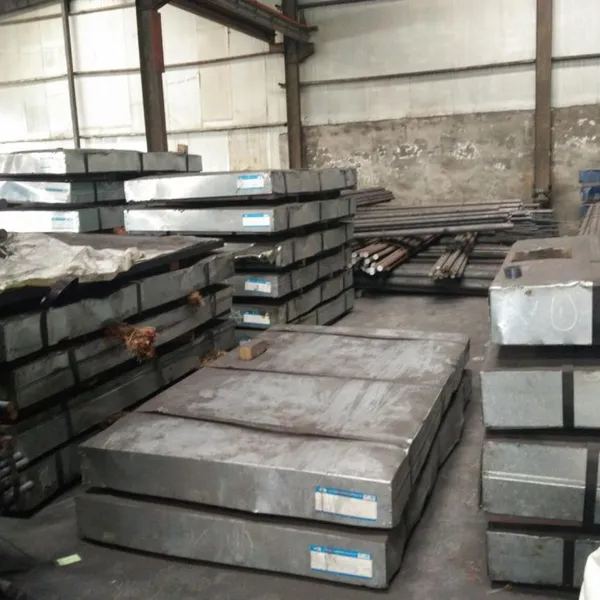
Cold Rolled Pure Iron Slit Coil DT4C Grade Ultra Low Carbon ≤0.004% for Magnetic ComponentsNegotiableMOQ: 1 Ton
-
Low Iron Loss Electromagnetic Pure Iron Hot-Rolled Coil DT4C for Transformer CoresNegotiableMOQ: 1 Ton
-
Soft Magnetic Pure Iron Sheet With Minimum Iron Loss for High-Efficiency MotorsNegotiableMOQ: 1 Ton
-
Electromagnetic Pure Iron Cold Rolled Coil DT4C for High Magnetic Permeability ApplicationsNegotiableMOQ: 1 Ton
-
Industrial Pure Iron Tube Superior Surface Quality Electromagnetic Pure Iron Tube for Welding and Plating ProcessesNegotiableMOQ: 1 Ton
-
DT4 Seamless Pure Iron Tubing for High-Performance Electrical Equipment ApplicationsNegotiableMOQ: 1 Ton
-
DT4C Iron Wire Rod for Precision Magnetic Shielding ApplicationsNegotiableMOQ: 100 Kilograms
-
Industrial Pure Iron Fittings DT4 Pure Iron Seamless Tube With Low Hysteresis Loss for Electromagnetic SystemsNegotiableMOQ: 1 Ton
-
DT4C Cold Rolled Coil Slitting for Electrical Enclosure ManufacturingNegotiableMOQ: 1 Ton
-
Anti Rust Coated Pure Iron Square Bar Low Carbon Raw Material for Welding and Forging Magnetic PartsNegotiableMOQ: 100 Kilograms
-
DT4 Pure Iron Cold-Drawn Wire 0.5mm-6.0mm Diameter for Precision EngineeringNegotiableMOQ: 500 Kilograms