
 Business License

Electromagnetic Pure Iron: Complete Material Guide and Grade Selection
While analyzing production options for a new high-efficiency distribution transformer, Chen Wei, the chief engineer at a middle-sized transformer manufacturer in Jiangsu, faced a crucial decision. The design aimed for maximum magnetic permeability with minimal hysteresis loss, for which the material choice between iron grades and silicon steel was of key importance if the Transformers should ideally get their 98.5% efficiency score. After testing samples from three contracted suppliers, Wei concluded that Core Losses in this application were 18% lower with DT4C electromagnetic pure iron than they were with silicon steel, thus economizing approximately 4,000 kWh worth of annual energy per transformer. The cost of the material was accounted fairly within 14 months of the first operation.Find more info now.
An engineer who is involved in the design of high-performance magnetic systems must understand pure iron electromagnetics. It is the difference between grade DT4 material and the cold-worked variety that determines whether your transformer, motor, or relay operates at peak efficiency or wastes energy in hysteresis losses.
This technical article on heuristics for the selection of pure-gauge iron delivers an extensive preview of how these materials should be characterized for say magnetic properties, such as permeability and coercivity, and of how these grade specifications of DT4 series grade are negotiated with. Of course, any time the option of pure iron's capacity over silicon-steel alternative materials comes into the picture, this argument becomes relevant.
Just as the article gives you significant engineering knowledge to better supervise the materials selected at transformer cores, so it will give you a good start to weigh different suppliers to choose for the various kinds of electromachineries.
What Is Electromagnetic Pure Iron?
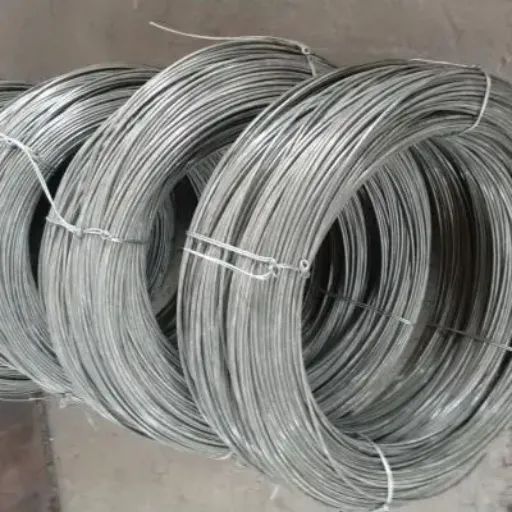
Electromagnetic pure iron is a high-purity ferromagnetic material consisting of 99.5 percent iron (minimally 99.8 percent). Electromagnetic pure iron is produced exclusively for specific magnetic properties and usually processed. Different from common iron and structural steels, electromagnetic pure iron is made to maximize magnetic permeability while minimizing coercivity, hysteresis loss, and energy dissipation under alternating magnetic fields.
The properties are achieved by careful material control, such as the control of chemical composition, particularly carbon level, as well as specialized handling and treatments. The Chinese GB/T 6983-2008 provides the grades of electromagnetic pure iron to be used in industrial applications; it defines the specifications and tolerances in chemical composition and compulsory magnetic property requirements.
Why Purity Matters for Magnetic Performance
The magnetizing property of iron is fundamentally influenced by impurities and crystal-structure defects. Carbon will precipitate as iron carbide (Fe3C) to interfere with magnetic domain wall movement, thereby increasing coercivity and hysteresis loss. The mitigation of this iron carbide-induced disorder in iron content to the percent limit of 0.025 (or even 0.004% for high-grade) provides electromagnetic pure iron having very low levels of heavy metals, much incapable of slow, low-energy operating sites for transformer efficiency and quick electro-magnets.
How Electromagnetic Pure Iron Differs from Standard Steel
A standard structural steel usually has between 0.1% and 0.3% of carbon and various alloying elements that improve the mechanical strength but impair magnetic properties being an electrical steel (silicon steel) which has 1-4% silicon added in order to increase electrical resistivity and to decrease eddy currents, while even reducing the saturation flux density and magnetic permeability.
Taking electromagnetic iron, the iron in the pure form occupies a distinctive place. In the presence of/or minimal impurities and no intentional aluminum alloying for grain control, it produces the following:
1. Higher saturation flux density (+2.15 Tesla, +/-2.0 Tesla)
2. Higher maximum permeabilities (upwards of 15 mH/m for DT4C and 5-10 mH/m for silicon steel.)
3. Low coercivities (open loop ≤32 A/m for DT4C compared to 40-100 A/m for silicon steel).
These properties make pure iron the preferred material for applications where the maximum magnetic response is sought with a minimum loss of energy, particularly for DC or low-frequency AC applications in which eddy current losses are well under control.
Understanding Magnetic Properties
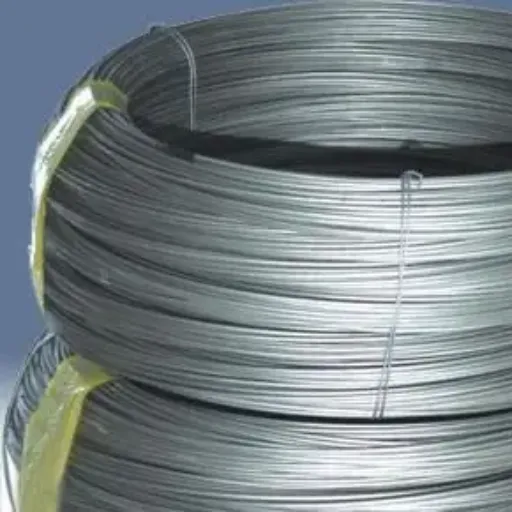
Choosing the appropriate electromagnetic commercial iron grade involves a consideration of how various magnetic properties relate to their effects on system performance: these properties also directly affect the efficiency, response time, and energy consumption built into an electromagnetic system.
Magnetic Permeability
Magnetic permeability (μ) denotes how easily the material becomes magnetized in response to an applying magnetic field. It is the ratio of magnetic flux density (B) to magnetic field strength (H). So, higher permeability means more magnetic flux for the same magnetizing current.
Practical consideration: Transformer applications, high permeability drastically decrease the additional magnetizing current previously required for creation of the magnetic field, thus achieving better efficiency and reduction of the otherwise leading no-load losses. A grade of DT4C allows permeability from a minimum of 15 mH/m, which is far higher than standard electrical grade magnetic steels.
Grade Comparison: DT4 (Standard), is around 7.50mH/m whereas DT4C (Premium) is around 15.00 mH/m which constitutes an improvement of double magnetic response capability.
Coercivity
Coercivity (Hc) measures the magnetic field strength required to reduce magnetization to zero after saturation. If the magnetization was already located in the crystal axis, lower coercivity would lead to less energy loss during magnetization cycles.
Practical Impact: In relay and solenoidal applications, low coercivity is what is of great help for quick response and negligible residual magnetism. The high coercivity leads to the potential of magnetic "memory," which can result in postponed opening or even being stuck with electromagnetic switches.
When Liu Ying's team, at a Guangdong relay manufacturer, changed their high-speed communication relays from standard DT4 to DT4C, they noticed an improvement in contact response time of about 15 percent. The lower coercivity (less than or equal to 32 A/m as compared to less than or equal to 96 A/m) allowed the magnetic field to fall rapidly as per the 50 Hz switching requirement.
Saturation Flux Density
The amount of magnetic flux that can flow through a material is determined by its saturation flux density (Bs), independent of applied field intensity. Pure iron achieves around 2.15 Tesla which is well above the saturation densities for any of the practical magnetic materials.
Practical implication: A higher saturation flux density renders a more compact magnetic circuit design while positing higher power handling. In space-constrained machinery applications like an EV motor and aerospace systems, the iron comes with significant advantages regarding saturation efficiency that can earn a 10-15% difference in core volume.
Hysteresis Loss
Hysteresis loss that which gets released as the heat occurs during the process of magnetization in each cycle. It is directly related to the area of the B-H hysteresis loop of a particular material. A narrow hysteresis loop is observed in a material that has low coercivity and thus causes low energy loss.
Quantitative Impact: Considering a 1000kVA transformer operating at 50Hz, the change from the standard grade electrical steel to DT4C pure iron might lead to hysteresis losses falling off by 15-20%, so that 3000-5000 units of energy are saved annually, based on the load condition.
DT4 Series Grade Guide
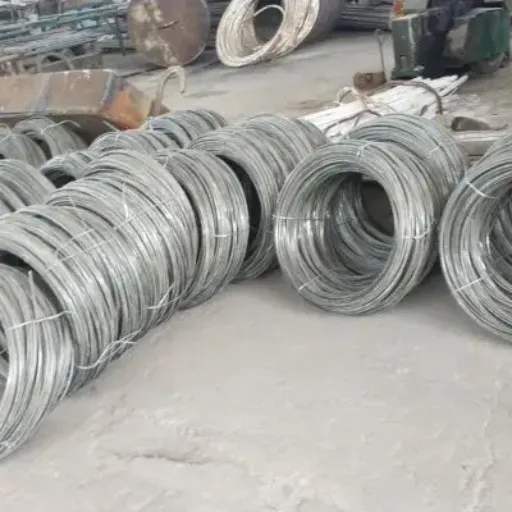
GB/T 6983-2008 is the Chinese national standard that sets standards for different grades of electromagnetic soft iron employed in industrial applications. Recognizing the distinctions between such grades permits correct selection of the material for specific requirements.
Complete Grade Comparison
| Grade | Coercivity (Hc) | Max Permeability (μmax) | Carbon Max | Primary Applications |
|---|---|---|---|---|
| DT4 | ≤96 A/m | ≥7.50 mH/m | ≤0.025% | General industrial, non-critical |
| DT4A | ≤72 A/m | ≥10.00 mH/m | ≤0.025% | Industrial motors, standard relays |
| DT4E | ≤48 A/m | ≥12.50 mH/m | ≤0.015% | Precision instruments, telecom |
| DT4C | ≤32 A/m | ≥15.00 mH/m | ≤0.004% | High-efficiency transformers, premium relays |
| DT8 | ≤24 A/m | ≥20.00 mH/m | ≤0.015% | High-precision instruments |
| DT9 | ≤16 A/m | ≥25.00 mH/m | ≤0.010% | Scientific, aerospace, military |
Note: All grades must achieve minimum flux density of 1.40 Tesla at 1000 A/m field strength (B10)
DT4 (Standard Grade)
DT4 corresponds to fundamental pure iron and is well suited for all general engineering applications requiring standard magnetic properties. With a maximum coercive force of 96 A/m and a minimum permeability of 7.50 mH/m, DT4 gives satisfactory performance for:
Industrial electromagnets and lifting magnets
Magnetic separators for mining and recycling
Non-critical motor components
General-purpose magnetic circuits where cost considerations are paramount over performance
The carbon content of no more than 0.025% in the iron provides a good degree of softness without overspending on the material. The common forms are hot-rolled or cold-rolled, and the material is supplied in the standard-annealed condition.
DT4A (Advanced Grade)
DT4A improves the magnetic properties of ordinary DT4. It shows 25% lower coercivity (≤72A/m) and 33% higher permeability (≥10.00 mH/m) than standard grade DT4. A significant drop in the value for coercivity does indicate the material improves efficiency in a relevant way. As a result, DT4A is considered useful in several applications:
Industrial power transformers enhancing efficiency compared to standard grades
End applications for automotive relays and electromagnetic devices
Electric motors where efficiency gains outweigh borne costs
General purpose solenoid valves and actuators
These properties can be attributed to a somewhat stricter process control in production, rather than any chemical difference compared to DT4.
DT4E (Extra High Grade)
DT4M demonstrates improved magnetic properties with lower coercivity values (≤48 A/m) and higher permeability values (≥12.50 mH/m). With low carbon content (max. 0.015%) and fine processing, our resultant material is highly suitable as a material for demanding applications:
Stable magnetic behavior of longer duration for telecommunications equipment
Precision measuring instruments
Components for medical devices
Industrial control systems demanding the highest possible reliability
Fifty-percent reduction in coercivity compared to DT4 will result in visibly lesser hysteresis losses and higher equivalent efficiency for applications in the AC mode.
DT4C (Superior Grade)
The highest grade of the DT4 series, to which DT4C belongs, should provide maximum permeability (≥15 mH/m) and coercivity (≤32 A/m). Carbon content is extremely low (≤0.004%) in the system, allowing almost complete elimination of carbide precipitates interfering with magnetic domain wall motion.
In this respect, Wang Tao's engineering team of a Zhejiang transformer manufacturing company, turning to the DT4C material for their promising distribution transformer series, noted an efficiency gain of 18% compared to the DT4A material that had been in system previously. This advantageous effect translated into a saving of about 4000 kWh of energy usage for the prototype 1000 kVA unit operating continuously.
Main Applications:
Distribution transformers and power transformers with high efficiency
Solids in relay core in systems requiring a quick response
Solenoid valve solids in control systems requiring a high durability
Any automotive electromagnetic systems
All scientific instrumentation where magnetic material must demonstrate low thermal coefficient.
The premium charge for grade DT4C lies more or less between 40-60% over the standard grade DT4, where the energy-saving gains under continuous-duty applications would typically pay back the cost within 12-24 months in savings on energy.
DT8 and DT9 (Specialized Grades)
DT8 and DT9 are ultra-high-performance grades specifically for applications demanding maximum softness depending on magnetic properties:
DT8: H ≤24 A/m, μ ≥20.00 mH/m
High-precision scientific instruments
Components for electron microscope
Capital medical imaging equipment
DT9: H ≤16 A/m, μ ≥25.00 mH/m
Particle accelerator magnets
Aerospace guidance systems
Military precision instruments
Research laboratory equipment
These grades are made with specific vacuum refining processes and treatment to get such magnetic properties. Production volumes are low, and costs reflect the additional processing requirements.
Grade Selection Decision Framework
The factors, from primary to secondary:
Criticality of Application: As far as life-safety or high-reliability systems are concerned, DT4C or greater should be the norm; DT4 or DT4A is okay for general industrial equipment
Frequency of Operation: Pure iron performs the best for DC and low-frequency AC; silicon steel can be considered for high frequencies despite its relatively lower permeability
Efficiency Requirement: Generally, efficiency figures of above 98% would like pure iron, while standard efficiencies can handle DT4E and/or DT4A
Economic constraints: The installation has to pay for itself-added high sums in terms of savings; normally, DT4C is seen to return such sum within 18-24 months for continuous-duty service
Space for a Design: Applications that still require very high flux density with compact volumes would greatly benefit from the high saturation characteristics of pure iron.
Chemical Composition and Purity Standards
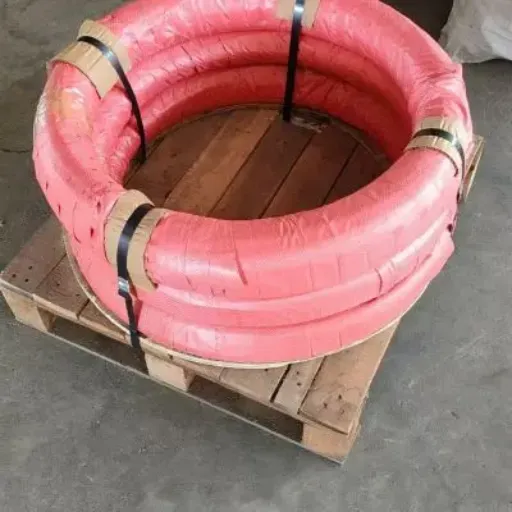
The magnetic properties of electromagnetically pure iron of course are chiefly determined by chemical composition, notably by the control of the impurities that affect the magnetic domain behaviour.
How Carbon Content Affects Magnetic Properties
Carbon represents the most critical impurity in electromagnetic pure iron. Even small amounts form iron carbide (Fe3C) precipitates that act as barriers to magnetic domain wall movement, increasing coercivity and hysteresis loss.
| Carbon Content | Typical Coercivity | Magnetic Application |
|---|---|---|
| ≤0.025% (DT4) | ≤96 A/m | General industrial |
| ≤0.015% (DT4E) | ≤48 A/m | Precision applications |
| ≤0.004% (DT4C) | ≤32 A/m | High-efficiency systems |
| ≤0.010% (DT9) | ≤16 A/m | Scientific instruments |
Certainly, few changes-from 0.025% to 0.015%-have proven to be strongly effective in improving the entire feature with respect to carbon management, along with the former requirement of further capital flows toward finer refineries to effectuate another minor change from 0.015% to 0.004%.
Complete Chemical Composition Requirements
| Element | DT4 Max | DT4C Typical | Impact on Magnetic Properties |
|---|---|---|---|
| Carbon (C) | ≤0.025% | ≤0.004% | Critical: Carbides pin domain walls, increase coercivity |
| Silicon (Si) | ≤0.20% | ≤0.020% | Moderate: increases resistivity, reduces saturation |
| Manganese (Mn) | ≤0.30% | ≤0.20% | Low: combines with sulfur |
| Phosphorus (P) | ≤0.020% | ≤0.011% | Moderate: increases coercivity if excessive |
| Sulfur (S) | ≤0.020% | ≤0.003% | Moderate: forms inclusions, affects grain structure |
| Aluminum (Al) | 0.15-0.50% | ~0.30% | Beneficial: controls grain size, improves permeability |
| Iron (Fe) | Balance | ≥99.8% | Base material purity |
GB/T 6983-2008 Specification Overview
GB/T 6983-2008 "Electromagnetic Pure Iron;" National Chinese Standards lay down the comprehensive requirements for
Chemical Constituents: by grade, there exist maximum carbon, silicon, manganese, phosphorus, sulfur, and aluminum limit
Magnetic Properties: Minimum and maximum values need to conform to specific coercivity, permeability, and far-reaching flux density related to field strength testing
Testing Methods: Standardized means of measurement for magnetic properties u sisng hysteresis loop DC
Surface quality: Requirements for the state of surface, defects, and dimensional tolerances
Packing and marking: Standards for identification and traceability of the material
Materials certified to GB/T 6983-2008 guarantee consistent magnetic performance thus establishing them as material fit for all industrial uses within the electromagnet domain. In the rapidly-expanding overseas market, this standard has gained recognition in the Asia-Pacific region, with acceptance through the rest of the globe as globalization of Chinese-manufacturing intensifies.
Processing Effects and Annealing Requirements
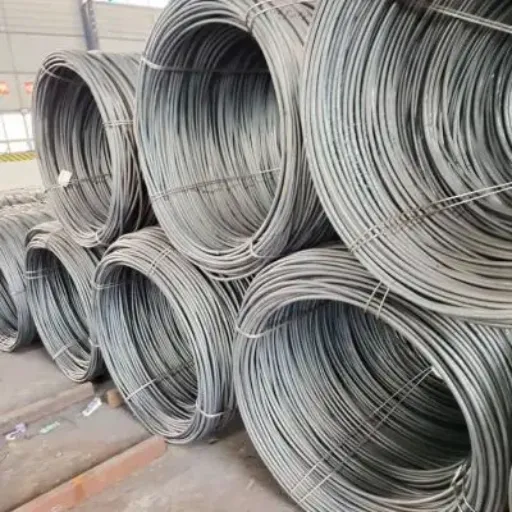
Magnetic properties of the electromagnetic pure iron are significantly changed by mechanical processing. It is important to understand these changes to be able to make clear material specifications.
Effects of Cold Working on Magnetic Properties
Cold working processes (cold rolling, drawing, forging) introduce plastic deformation that alters the crystal structure and magnetic behavior:
| Property | Annealed State | After Cold Working | Change |
|---|---|---|---|
| Coercivity (Hc) | ≤32 A/m (DT4C) | 64-128 A/m | Increases 2-4x |
| Permeability (μmax) | ≥15 mH/m | 10-12 mH/m | Decreases 20-33% |
| Hardness (HV5) | ≤120 | ≤195 | Increases |
| Tensile Strength | ~200 MPa | 265+ MPa | Increases |
Cold work introduces dislocations in the crystal lattice that hinder domain wall motion, heat the magnet material, and require more energy for the material to be magnetized and demagnetized. As a consequence, the electromagnetic properties get worse.
The team of Zhang Wei at a Jiangsu motor factory, when tested the cold work-deformed DT4C laminations, resulted in a coercivity of 95 A/m, almost three times the specification of ≤32 A/m. The unannealed material would have raised motor losses by some 25% - completely neutralizing the advantages of higher toprated-grade material.
Why Annealing Is Essential
After cold working, stress relief annealing restores optimal magnetic properties through several mechanisms:
Recrystallization: The annealing is carried out in the temperature range of 850-1000°C, allowing the formation of new, strain-free grains replacing the existing deformed grain structure as a result of the cold work. This eliminates the dislocation-induced objects that act as obstacles to the magnetic domain wall motion.
Stress Relief: Stress relief at 100-300°C is achieved before temperature increases, leading to lowering in energy some of the remaining thermal stresses and a return of soft-magnetic properties, essential for low-loss operation.
Carbon Reduction: High-temperature annealing in hydrogen atmosphere will still lower the carbon levels on the surface, leading to softening magnetic properties further.
Grain Growth: Controlled growth of the grain structure during annealing for enhanced magnetic domain formation. Fully recrystallized grains reach a size of 200-500µm, while a final microstructure of the cold-wrought material is heavily dislocated and subdivided with much finer grain size.
Annealing Process Parameters
| Parameter | Specification | Purpose |
|---|---|---|
| Temperature | 850-1000°C | Recrystallization and grain growth |
| Atmosphere | Dry hydrogen or vacuum | Prevents oxidation, enables decarburization |
| Duration | 4-8 hours | Complete stress relief and grain growth |
| Cooling Rate | Controlled furnace cooling | Prevents thermal stress, maintains grain structure |
| Property Recovery | ~90% of original | Near-annealed magnetic performance |
Properly executed annealing can recover approximately 90% of the original magnetic properties that existed before cold working. This restoration is essential for high-performance applications.
Electromagnetic Pure Iron vs Silicon Steel
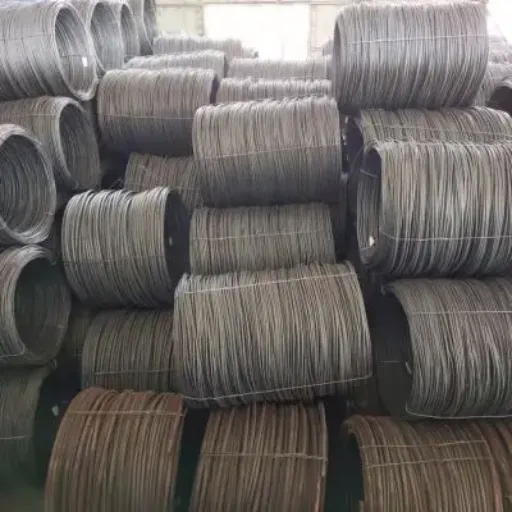
Choosing between electromagnetic pure iron and silicon steel for magnetic core applications is a common dilemma for engineers. Knowing the trade-offs would help decide on the most suitable materials.
Side-by-Side Comparison
| Property | Pure Iron (DT4C) | Silicon Steel (Typical) |
|---|---|---|
| Saturation Flux Density (Bs) | ~2.15 T | ~1.95-2.00 T |
| Max Permeability (μmax) | ≥15 mH/m | 5-10 mH/m |
| Coercivity (Hc) | ≤32 A/m | 40-100 A/m |
| Resistivity | ~10 μΩ·cm | ~40-50 μΩ·cm |
| Core Loss @ 1.0T, 50Hz | Higher hysteresis | Lower total (higher resistivity) |
| Cost | Higher | Lower |
| Best For | DC, pulsed, high-flux applications | AC transformers, motors (reduced eddy currents) |
When to Choose Pure Iron
Electromagnetic pure iron is the best material to use when:
Peak Flux Density is a Concern: Pure iron, therefore, becomes destined to compact, higher saturation flux density-oriented magnetic circuit applications. For example, such applications are seen in aerospace systems, EV motors, and highly dense transformers.
The DC or Low-Frequency Environment Prevails: Pure iron, due to its better characteristics for permeability and coercivity, mitigates loss of eddy currents in DC electromagnets, relays, or cycle service. This is a far cry from the situation with the silicon steel options for these devices.
Immediate Magnetic Response is Necessary: Pure iron's greatest advantage, in this case, is not its performance, but the fact that it avoids any kind of coercivity effects that impede the magnetization and demagnetization process. In high-field applications like solenoid valves or high-speed relays and switching-related applications, the faster responses from the less coercive pure iron produce a higher magnetic field transition and retreat.
Efficiency in Pure Transforms and Motors: Efficiencies up to 98.5% sought in prime transformer and motor applications undoubtedly enforce utilization of pure iron with lower hysteresis losses.
When to Choose Silicon Steel
Silicon steel is still the best choice for:
High-Frequency AC Applications: The resistivity of silicon steel is very much increased due to the presence of silicon and this shows a substantial reduction in eddy current losses at frequencies above 100Hz. On the other hand, even 50/60Hz transformers will find the support of silicon steel material in large power applications.
Cost-Sensitive Applications: Silicon steel has been said to provide reasonably good performance in situations where average efficiencies in the transformer were required and the primary constraint was the cost of material.
Very Large Power Transformers: The core of 10MVA and larger utility-size transformer is often composed of grain-oriented silicon steel, used to minimize the eddy current losses throughput in huge core structures.
Cost-Performance Analysis
For a 1000kVA power transformer with an hourly distribution, during a continuous duration:
Material Cost Differential: The purchase price is about 50-70 % higher for DT4C than it is for conventional core steel
Electricity Saving: A drop in the no-load loss by 15-20 % will mean saving of about 3,000-5,000 kWh of electricity annually
Payback Period: The added cost for these materials shall typically pay for itself in 12-24 months at industrial electrical rates
Cycle Benefits: The gain in efficiency helps in reducing operative cost towards energy savings during the life of the transformer, which typically exists for 25 years
This describes why this higher-cost material transformer, DT4C, is the relevant technology to take over premium transformer applications scale.
Applications by Industry
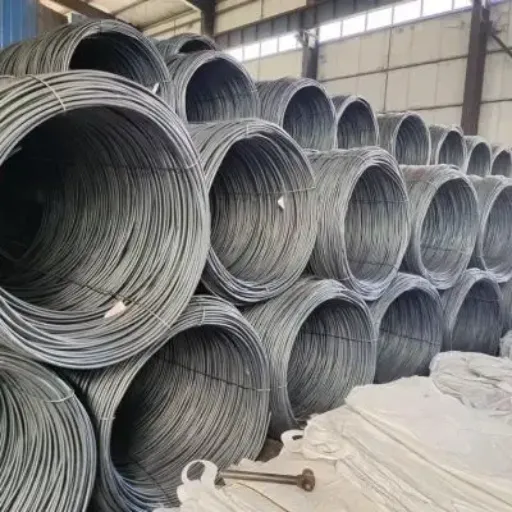
Electromagnetic pure iron serves critical functions across diverse industries where material performance directly impacts system efficiency and reliability.
Transformers and Power Distribution
The most significant application of electromagnetic pure Iron is in Distribution and Power Transformers. DT4C grade of this metal provides visible improvements in efficiency:
Performance Benefits:
High permeability reduces the requirement for magnetizing currents
Low coercivity minimizes the hysteresis loss during AC operation
Saturation flux density is high (2.15 T) which further helps in compact core design
Consistent magnetic properties ensure that voltage regulation stays stable
Typical Specifications:
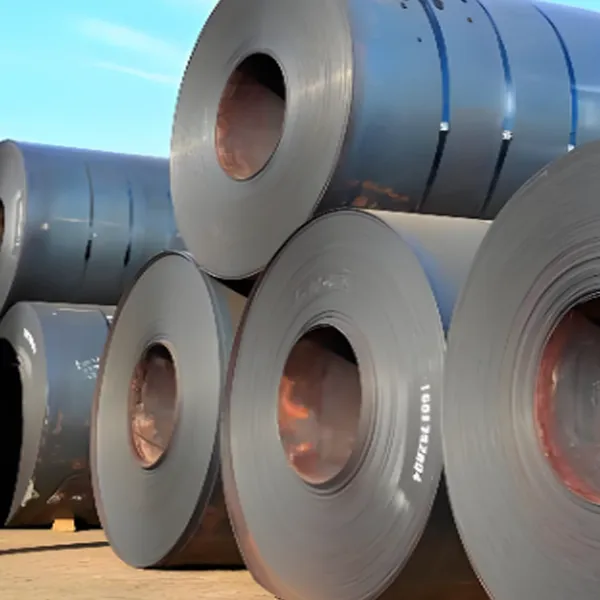
Coils manufactured from cold rolled conditions, thickness in the range of 0.3-0.5 mm primarily for distribution transformers
Slit to lamination width, stress relieved afterannealed
Insulation coating applied before stamping
Grade Selection: DT4C for premium efficiency transformers; DT4E for standard industrial units; DT4A for lower cost applications.
Motors and Generators
Electric motors and generators rely on pure iron in order to provide a magnetic circuit that functions efficiently:
Uses:
EV traction motors - DT4Cgoing with super-thin laminations (0.1-0.35 mm) for higher operational speed
Industrial motors - DT4E or DT4A for general-purpose high-speed drives
Aviation motors - DT4C or DT8 specifically for weight-sensitive and tightly bound reliability applications
Generator stators - High-permeability material-enumerated for excellent flux linkage
The high saturation flux density of pure iron allows motor frames that are physically much smaller than those in iron disbursed. This is critical in application design where design space and weight constraints feature as key considerations.
Relays and Solenoids
Fast magnetic response and very low residual magnetism are characteristic to subclasses of high-performance, precision tools that are frequently designated to electromagnetic devices:
For Relays:
Communication relays that need microsecond response time
Railway signal relays that need safe operation
Automotive relays for starters, voltage regulators, and flashers
Industrial control relays for automation systems
For Solenoids:
Fuel injector solenoids for internal combustion engines
Transmission control solenoids for automatic gearboxes
Hydraulic and pneumatic valve actuators
Electromagnetic locks and security systems
The DT4C variety dominates in areas because of its extremely low coercivity (≤32 A/m), which ensures sub-10 ms response times and low residual magnetism that could cause sticking or delay release.
Magnetic Shielding
Iron's pure form is designed to act as an electric charge by being perpendicular to the flowing zed. Thus, with a high magnetic permeability, pure iron can be used as a superior magnetic shielding material:
Applications:
MRI scanner magnetic shielding for medical institutions
NMR spectrometer enclosures for research laboratories
Protection from external fields for sensitive electronic equipment
Geophysical survey instrumentation shielding
Particle accelerator magnetic components
High permeability yields low-reluctance paths for direction of magnetic fields around shielded enclosures. Cold-rolled, slit coils are shaped into shields by bending or deep drawing this material (with intermediate annealing), and then assembled together in structures protecting some specific volume of space from power radiations.
Scientific Instruments
Ultrahigh performance scientific instrumentation demands a vastly satisfactory magnetic output in terms of its Norm:
Functional Domesticity
Electron Microscopes: Focusing magnets, scanning electromagnets requiring controlled precise fields
Particle Accelerators: Bended and focusing magnets are used to steer the beam.
Medical Equipment: Magnetic resonance imaging system components, magnetic imaging equipment
Analytical Instruments: High-resolution magnet pole heads for mass spectrometers
Chosen Grades: For application examples where field stability and predictability are of highest priority, the product portfolio has enabled the development of coercivities of ranges as low as 16 A/m with typical embodiments being grades DT8 or DT9.
Available Forms and Processing
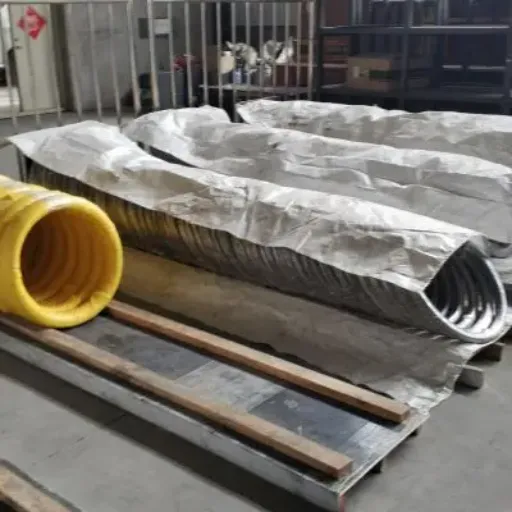
Electromagnetic pure iron is available in multiple forms to match manufacturing requirements and application specifications.
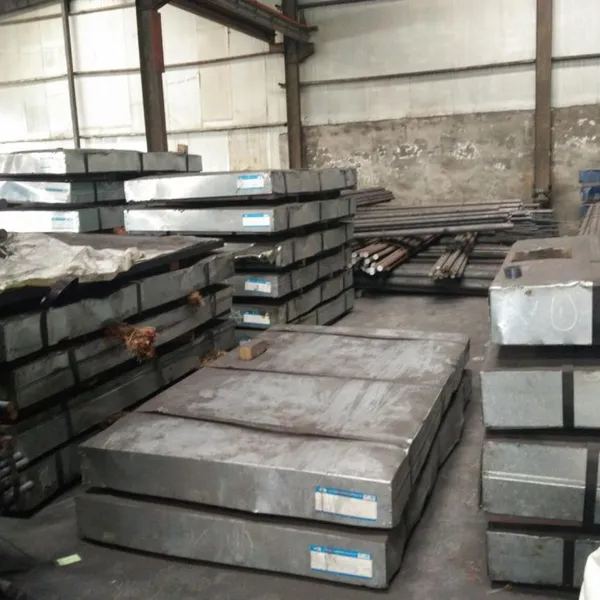
Cold Rolled Coils and Sheets
Cold rolled products provide exact dimensional control and better surface finish:
Specifications:
Thickness: 0.1mm - 3.0mm (0.3-0.5mm is the most common, especially for laminations)
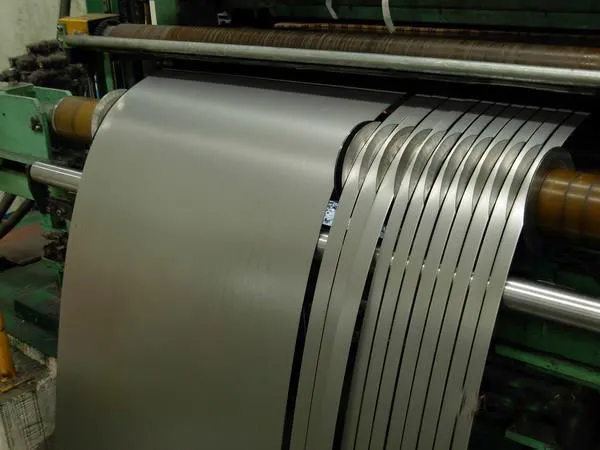
Width: 600mm - 1250mm master coils, slit into 4mm - 600mm strips
Thickness Tolerance: ±0.03mm standard, ±0.01mm precision
Surface Finish: Mirror polish (Ra ≤0.4μm) to a mill finish (Ra ≤3.2μm)
Precision Slit Coils
To make films for lamination, master coils are being slit right in sizes:
Features:
Width Tolerance: ±0.1mm standard, precision available ±0.01mm
Minimum Width: 4mm (precision applications)
Slitting quality directly impacts the stackability and efficiency of the core material in the lamination process. The formation of burrs can suddenly create entrance paths for eddy currents that increase losses in interlaminar insulation.
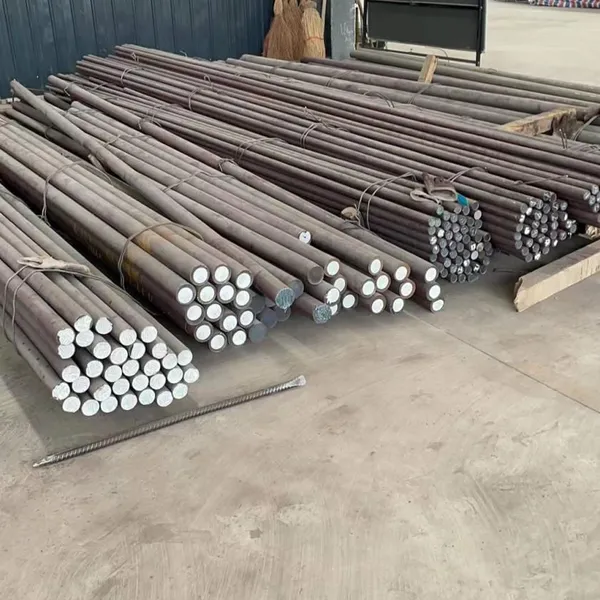
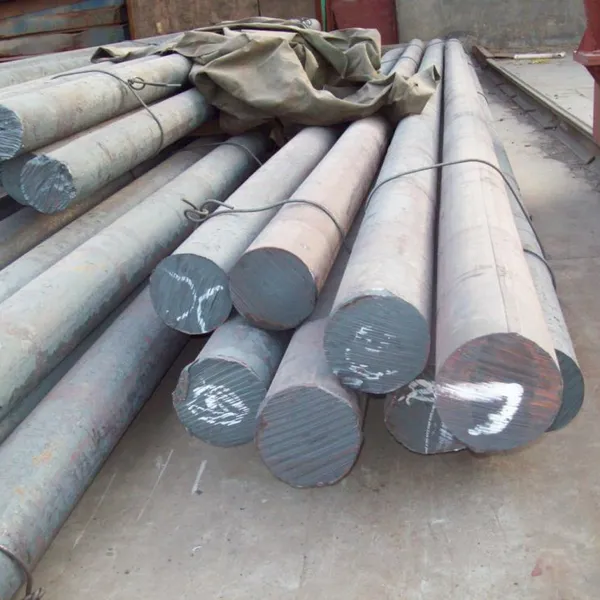
Round Bars and Wire Rod
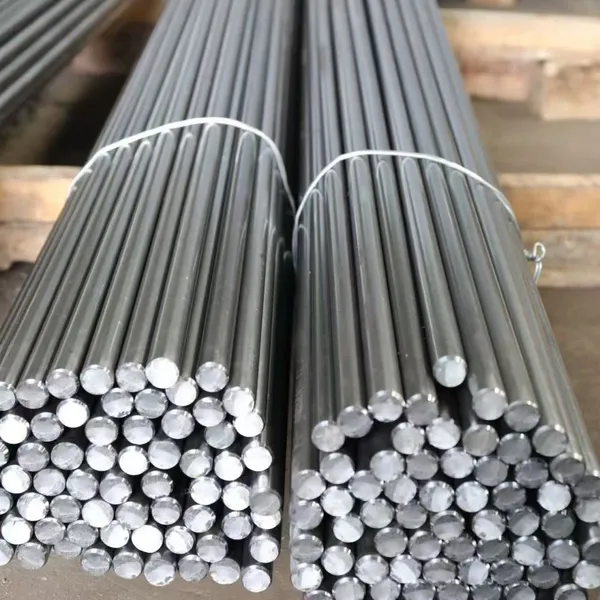
That layer also makes for excellent cold-heading grades as well as for wire-making purposes. Round Bar Specs:
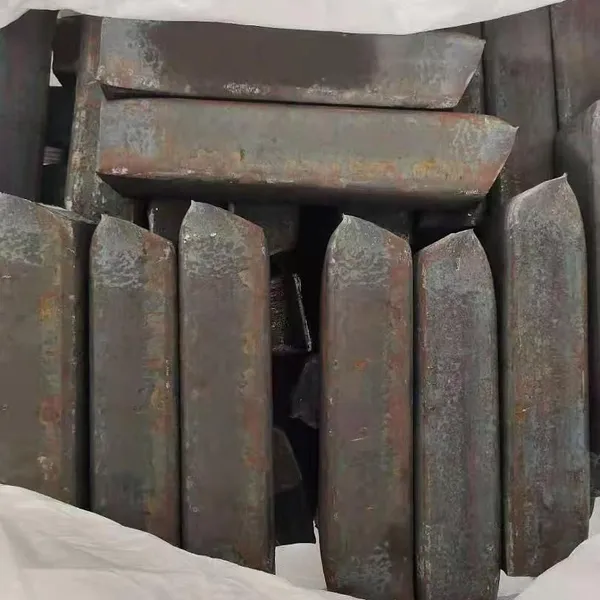
Diameter: Ø3mm-Ø100mm, size may vary.
Length: cuts to customer's requirements.
Surface: As-rolled, ground, or polished.
Wire Rod:
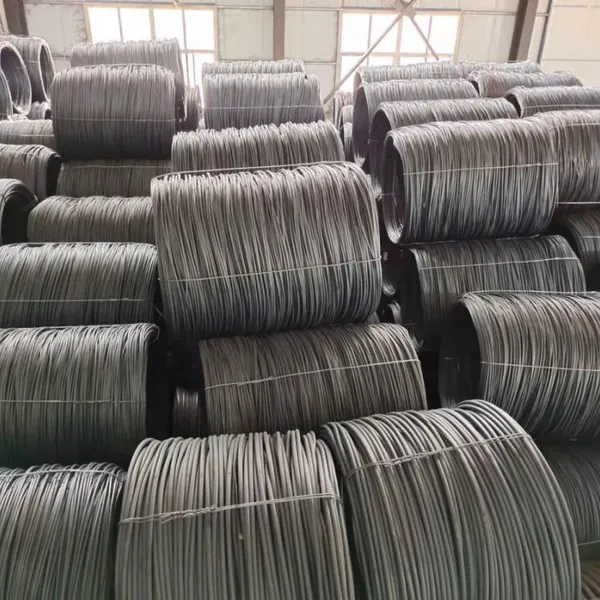
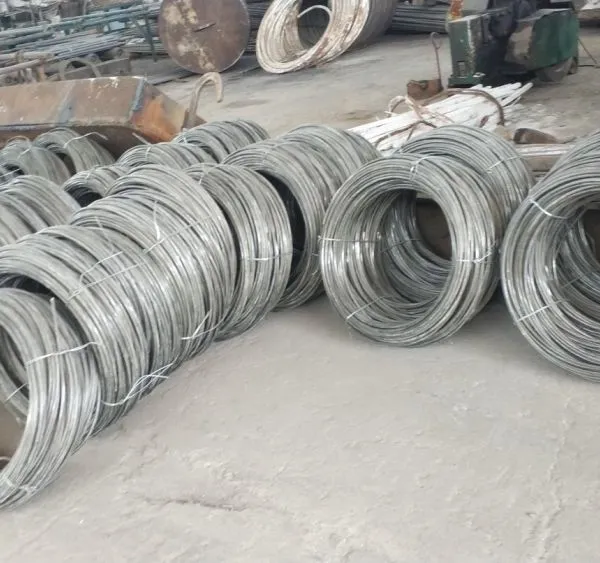
Diameter: Ø5.5mm-Ø20mm
Applications: Wire rod products.
These are good for wire-drawing components for core relays, headed facility solenoids, axle components, and machined electrical electromagnetic pieces demanding solid bricks at their narrow spawn.
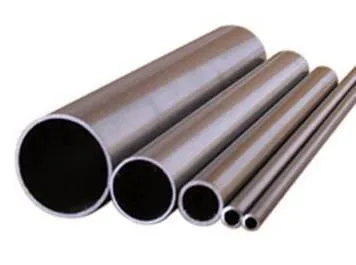
Tubes and Pipes
Hollow configurations give a reduced weight form-backing the magnetic field:
Applications:
Magnetic shielding enclosures
Structure for return paths in large magnets
Magnetic properties in structural components
High-power magnetic systems cooling passages
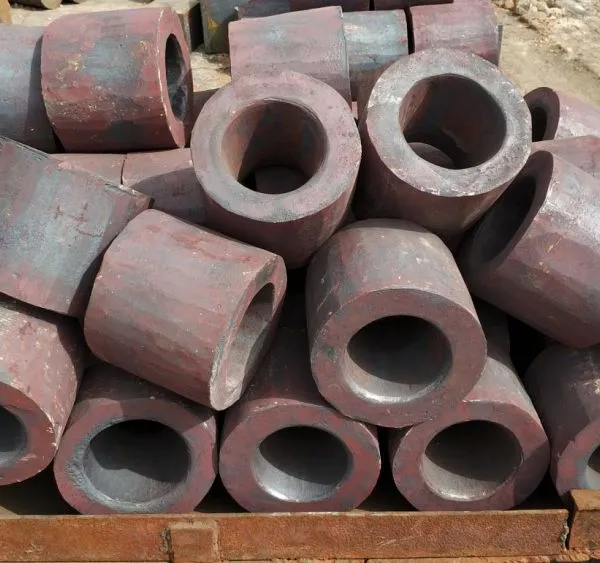
Forged Components
A specifically optimized grain structure is possible through forging of larger or more complex shapes.
Available services:
Size Range: Ø30mm – Ø1000mm forged round bars
Complex Shapes: Full die fabrication for highly specific end designs
Hot Forging: Over 850°C for all-titanium large components
Cold Forging: Room temperature for higher precision-miniature pieces
Custom Processing Options
Shanxi Jurun Science and Technology Co. Ltd offers complex processing services specifically optimized for DT4 series pure iron:
High-precision processing: Turning, milling, grinding to tight tolerance
Surface treatment: Polish, paint, passivate
Heat treatment: Annealing, stress relief, normalizing.
Assembly: Component integration and piece-work
This single window approach eliminates logistic intricacies and ensures consistency in quality from raw material to finished piece.
Quality Verification and Standards
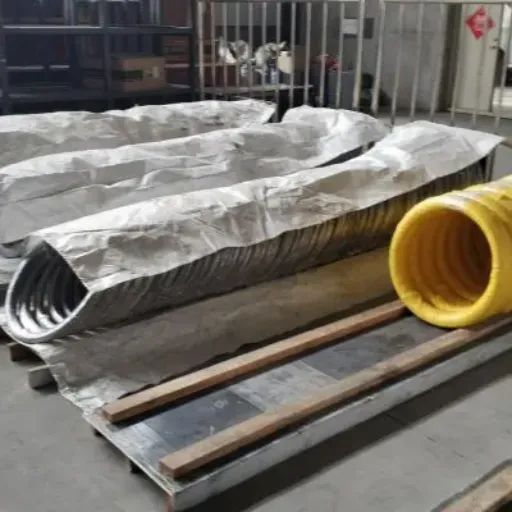
Verifying material quality ensures received pure iron meets specifications and will perform as expected in your application.
Required Testing and Documentation
The certificate of a mill test (MTC) should include:
The heat number and traceability of batch
Analysis of chemicals (all the elements in sight)
The results of magnetic property tests (Hc, μmax, B values)
Report of dimensional inspection
Compliance with GB/T 6983-2008.
Magnetic Testing Methods
Objective: To verify that the coercivity test values pass GB/T 3658 and are compliant with the given grades. The sample material pieces are magnetized to saturation and subsequently measured for the field of induced induction to zero, which gives the measurement of coercivity.
Permeability: The maximum permeability is determined at the slope of the B-H curve and corresponds to the highest rate of change of differential permeability.
Verification of Flux Density: Measurements of flux at specified field strengths (B10, B25, B50, B100) verify that at least the minimum requirement has been met.
GB/T 6983-2008 Compliance
The Chinese national standard provides comprehensive specifications:
| Requirement | Verification Method | Acceptance Criteria |
|---|---|---|
| Chemical composition | Spectrometry | Within grade limits |
| Coercivity (Hc) | DC hysteresis loop | ≤ specification maximum |
| Max permeability (μmax) | DC magnetization curve | ≥ specification minimum |
| Flux density (B10) | DC magnetization at 1000 A/m | ≥ 1.40 Tesla |
| Surface quality | Visual inspection | Per standard requirements |
International Standards
For electromechanical applications, iron-made of low carbon is also in accordance with the following standards:
ASTM A848: Low-carbon magnetic iron
Purity requirements similar to GB/T 6983-2008
Equivalent grades
IEC 60404: Magnetic materials international standards
It provides testing methods ensuring the proof of properties.
Enables international quality assurance
JIS C 2504: Soft magnetic iron (Japanese standards)
Recognized in Asian markets
These standards are very similar to those established for the Chinese grades.
Incoming Inspection Checklist
In verifying the records:
Countercheck the heat numbers of materials against the MTC.
Verify if the chemical composition suits the ordered grade
Confirm that the magnetic properties match the specification
Dimensional Inspection
Check the thickness at different points with a calibrated micrometer
Verify if width/length matches the requirements of the order
Check the standardness in end to end dimension through the batch
Surface Quality Control
Visual inspection for any defects, scratches, contamination
Verify if the surface finish is as per the specification ordered
Checking for the presence of corrosion or oxidation (this is particularly important for annealed materials)
Conditions of Packaging
Confirming whether moisture barriers are provided (VCI wrapping, desiccants)
Make sure handling damage is not evident from the transportation
Properly labeled with identification numbers and the information being saved.
Sourcing Electromagnetic Pure Iron
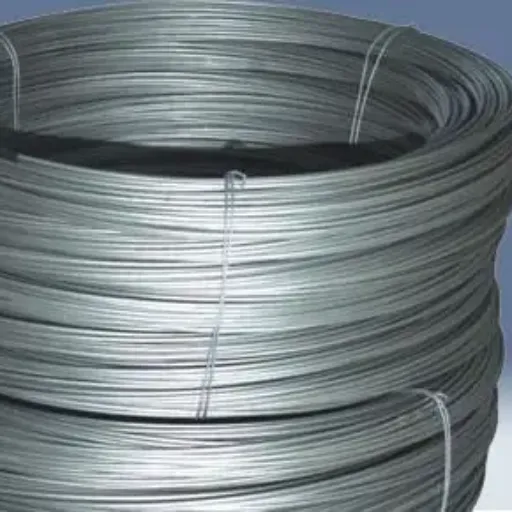
Selecting the right supplier ensures consistent material quality and reliable supply for your production requirements.
Key Supplier Evaluation Criteria
Material Expert: A supplier with a specialization in raw iron with electromagnetic properties better understands their need for the purchase of magnetic domains when seen in terms of technical requirements. On the other hand, the more common structural steel suppliers might not have established a relationship with the magnetic material processing and handling procedures that are required to keep up the material’s magnetic domains.
Grade Availability: You need to check up on the supply of special grades or if it can bring it in for you. Some suppliers might lack stocks or may not manufacture DT4C and specialized grades like DT8, DT9.
Processing Capabilities: Integrated processing services such as slitting, annealing, and machining will subsequently lead to shorter lead times and improved quality control. On the contrary, a raw materials supplier will leave you to manage all chores in post-processing on your own.
Quality Systems: With a concern toward the continued operation of an ISO-certified system replete with all the necessary data collecting methods and systematic disciplinary procedures, we may at least feel that someone is on top of quality at work. Some requests may, for instance, require that a test report or a standard-length print to be made available before the goods are shipped.
Technical Support: Engineers who are well-versed in electromagnetic applications can help optimize material specifications tailored to specific needs of the client.
Jurun's Integrated Supply Advantage
At Shanxi Jurun Shanghai Technology stays today the most complete producer of pure iron, a city where that is its major product:
Materials Range: Full DT availability (DT3, DT4, DT4A, DT4E, DT4C, DT8, DT9) plus official YT grades
Quality Assurance: Mill test certificates, magnetic property verification, and compliance with GB/T 6983-2008
Application Engineering: Technical support on grade selection, processing optimization, and custom specifications.
Conclusion
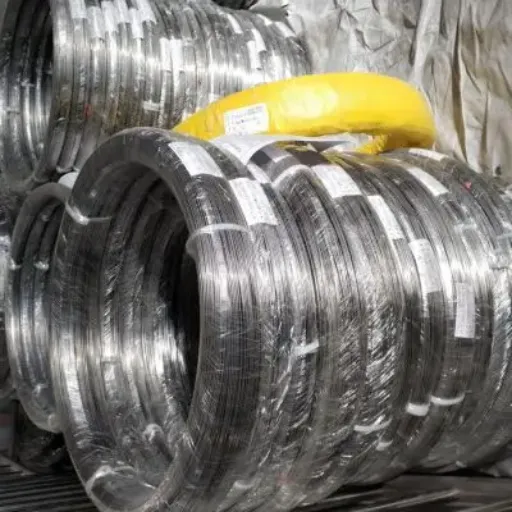
Pure Iron falls under a material critical in providing the best magnetic options. Selection of the right quality will determine the overall efficiency, reliability, and operation cost of the system. Transformer cores need minimal hysteresis loss, while relay components demand fast magnetic response.
Main factors to consider when specifying pure iron materials for electromagnetic are:
Choice of Grade: Match application requirements with grade; DT4C for top performance, DT4E for precision applications, and DT4 for standard components.
Processing: Cold work affects the magnetic properties; the grade must undergo a stress relief operation to restore magnetic properties.
Form: Depending on your production or component design, select coil, bars, tubes, or forgings.
Pure Iron Versus Silicon Steel: Use pure iron for the highest flux density, maximum for DC or low-frequency applications. Use silicon steel for high-frequency AC or application with eddy current loss domination.
Quality verification: This includes the need for a mill test certificate with either chemical or magnetic property verification.
The right material specification immediately pays dividends through improved efficiency, reduced energy consumption, and consistent magnetic property. Awareness of these requirements enables procurement teams and design engineers to procure the right materials and to evaluate supplier capabilities effectively.
Think about how the best electromagnetic pure-iron grade can influence the energy and power loss in your next electromagnetic component or transformer design needing high-performance magnetic material. The supplier with the right material does not limit responsibilities to the delivery of raw material; the supplier goes further to provide-engineered solutions optimized for the specific application needs of a customer.
Frequently Asked Questions (FAQs)
What is defined as a unique property in electromagnetic pure iron's magnetic characteristics?
What defines electromagnetic pure iron is its high response to magnetic flux. The very high permeability property allows a magnetic field to be set up within the material very quickly. This quick magnetization and demagnetization are due to its low coercive field. By doing this, the device will work the most efficiently with the minimum energy losses.
What elements in material engineering commonly exploit this material?
With very efficient field-responsive properties and hardly any residual magnetism during magnetization or demagnetization phases, this material is vastly appreciated by engineers for shielding in tightly kept magnetic containment sections. Relays, solenoids, possibly a minor part of electromagnets and pole pieces such as magnetic shielding are the elements within this material's range of applications. Higher speed of response of the device and huge response besides running the process of very well compared to the run-of-the-mill metals are distinguished in the speed of response of this material to the energy in these applications in electrical engineering.
Why is pure iron good for electromagnetic devices?
Highly purified iron greatly increases the efficacy of these devices; no magnetic aging will be induced in it by the reduction of impurities such as carbon, sulfur and nitrogen. Energy loss has simply been kept at a minimum. This, in turn, will nonetheless make the equipment run cooler, last much longer, and retain the needed magnetic characteristics over the equipment's life.
What is involved in the manufacturing process?
Manufacturing requires the strictest monitoring and elimination of non-metallic inclusions and impurities that may interrupt the magnetic performance of the metal. Thus, producers must make use of vacuum-melting and second refining processes to achieve the extreme levels of impurity removal. Subsequently, careful annealing treatments are administered to relieve internal stress and improve the grain structure to enhance the magnetic property of the material.
How is pure iron for this purpose different from normal steel?
Commercial steel typically has added parameters of carbon and additional elements for strength in order to improve magnetic efficiency to a larger extent, whereas electromagnetic pure iron, instead of enhancing its hardness, tries to increase magnetic potential. Dealing with such intentional compensatory trade-offs, the material is manipulated to enable fast magnetization and low core losses necessary in many modern electric power applications.
Recently Posted
-
Industrial Pure Iron vs. Armco Iron: Terminology, History, and Modern Equivalents
September 2, 2026Not long ago, a European motor manufacturer opened an aging drawing for a magnetic shielding housing and found the material callou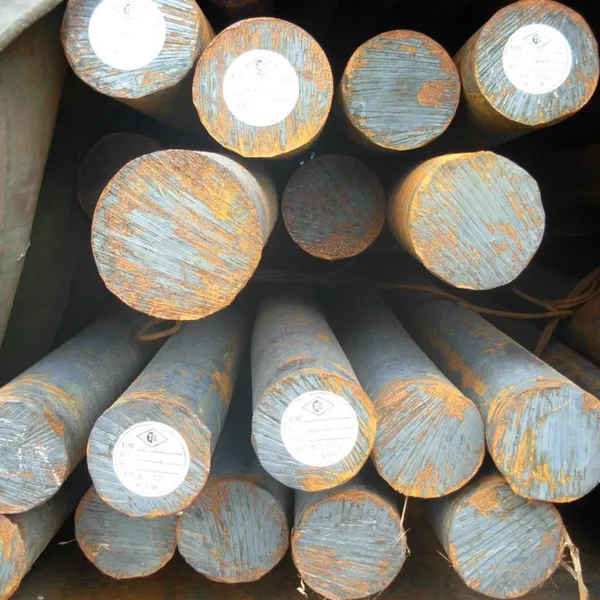 Read More
 -
Shanxi Jurun Technology: Your Electromagnetic Pure Iron Partner from Taiyuan, China's Pure Iron Prod
August 14, 2026When an international buyer searches for electromagnetic pure iron, they are not just looking for a material. They are looking for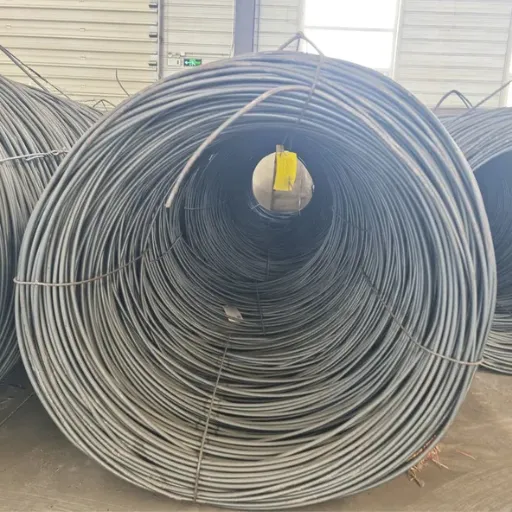 Read More
 -
Cold Drawing Process for Electromagnetic Pure Iron Wire: How Wire Rod Becomes Precision Cold-Drawn W
August 13, 2026Not long ago, a solenoid valve manufacturer in Italy received a shipment of 5.5 mm electromagnetic pure iron cold-drawn wire inten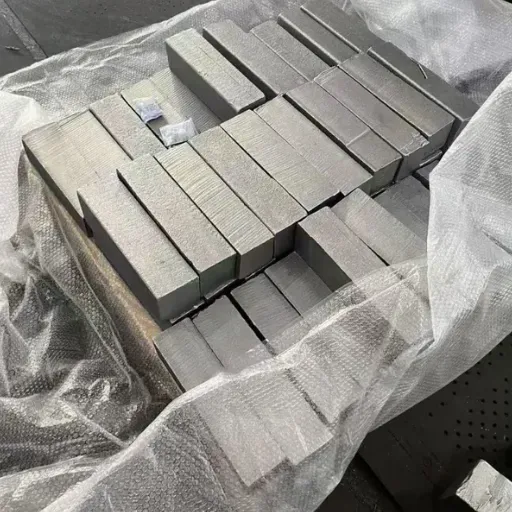 Read More
 -
How to Choose a Food Vacuum Sealer Supplier in China: 8 Evaluation Criteria
August 13, 2026An e-commerce brand owner in the UK contacted us some time ago after a supplier relationship fell apart. They had sourced roughly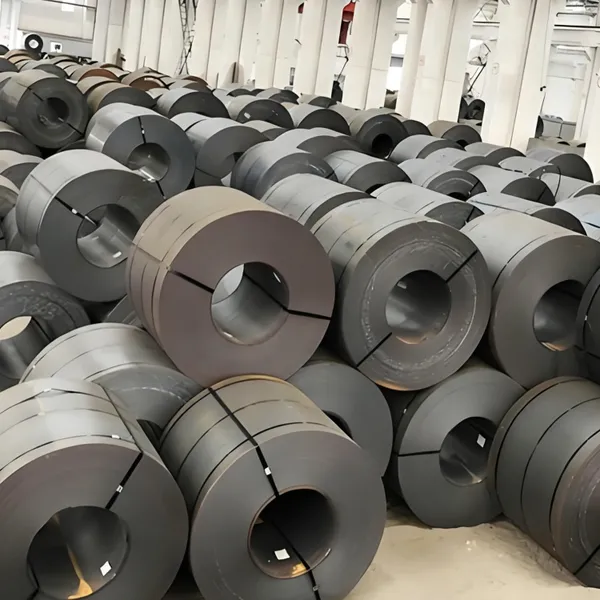 Read More

Contact Us
Recommended Products
-
 Seamless Tube With Good Cold Electrical Pure Iron Fittings Hot Workability for Forming Fittings and ConduitsNegotiableMOQ: 1 Ton
 -
Electromagnetic Pure Iron Forging for Automotive Sensor ManufacturingNegotiableMOQ: 100 Kilograms
-
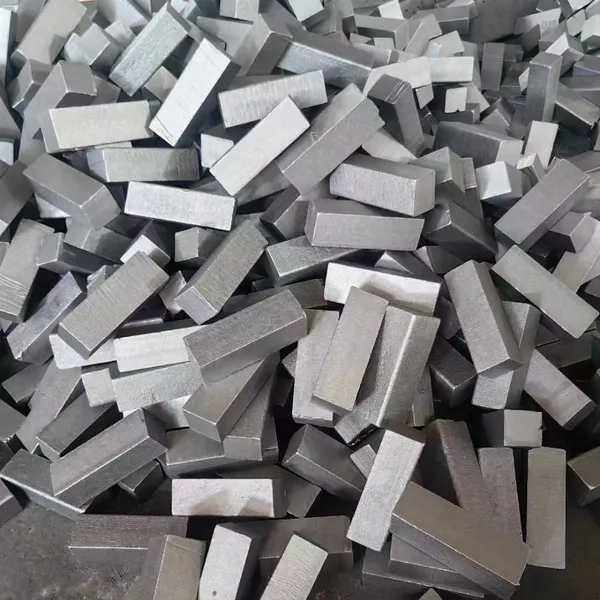
Precision Cut Pure Iron Square Bar High Saturation Induction Raw Material for Generator and RotorNegotiableMOQ: 100 Kilograms
-
DT4C Super Grade Electromagnetic Pure Iron Bright Bar With Bundle Weight 30-100kg for Easy TransportationNegotiableMOQ: 1 Ton
-
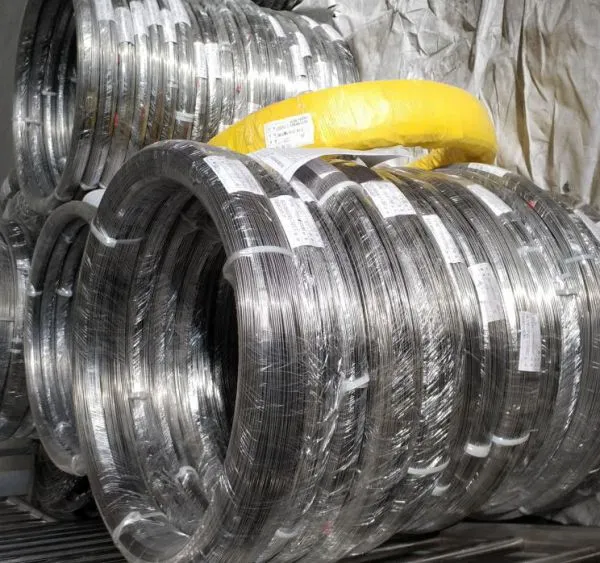
DT4C Electromagnetic Pure Iron Cold-Drawn Wire 0.5mm-6.0mm Diameter for TransformersNegotiableMOQ: 100 Kilograms
-
Industrial Pure Iron Bar for Electromagnetic Relay and Sensor ProductionNegotiableMOQ: 1 Ton
-
Electromagnetic Pure Iron Thin Sheet 0.3mm-0.8mm for Solenoid and Relay ManufacturingNegotiableMOQ: 500 Kilograms
-
Electrical Pure Iron Hot-Rolled Coil for Magnetic Components With Low Iron LossNegotiableMOQ: 1 Ton
-
Low Carbon DT4C Pure Iron Round Bar With 99.8% Fe Content for Electrical ApplicationsNegotiableMOQ: 1 Ton
-
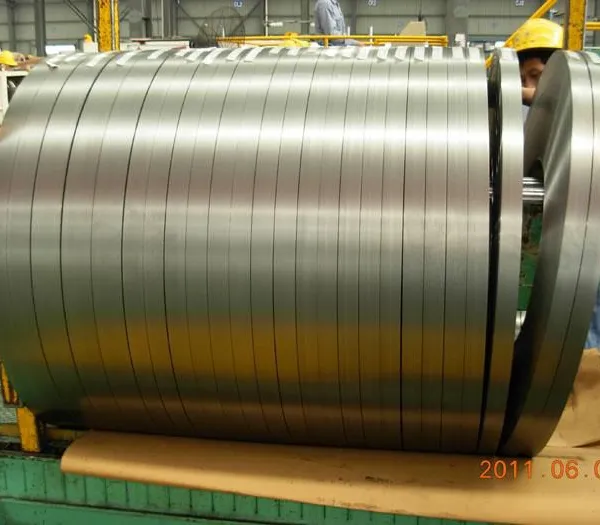
Cold Rolled Pure Iron Slit Coil DT4C Grade Ultra Low Carbon ≤0.004% for Magnetic ComponentsNegotiableMOQ: 1 Ton
-
Low Iron Loss Electromagnetic Pure Iron Hot-Rolled Coil DT4C for Transformer CoresNegotiableMOQ: 1 Ton
-
Soft Magnetic Pure Iron Sheet With Minimum Iron Loss for High-Efficiency MotorsNegotiableMOQ: 1 Ton
-
Electromagnetic Pure Iron Cold Rolled Coil DT4C for High Magnetic Permeability ApplicationsNegotiableMOQ: 1 Ton
-
Industrial Pure Iron Tube Superior Surface Quality Electromagnetic Pure Iron Tube for Welding and Plating ProcessesNegotiableMOQ: 1 Ton
-
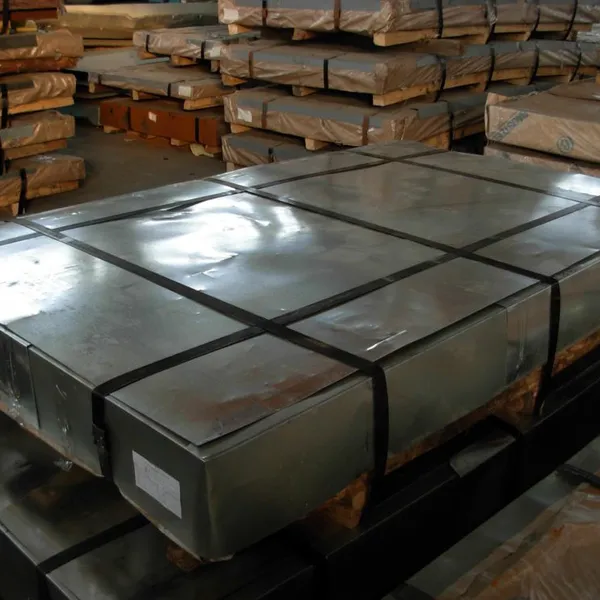
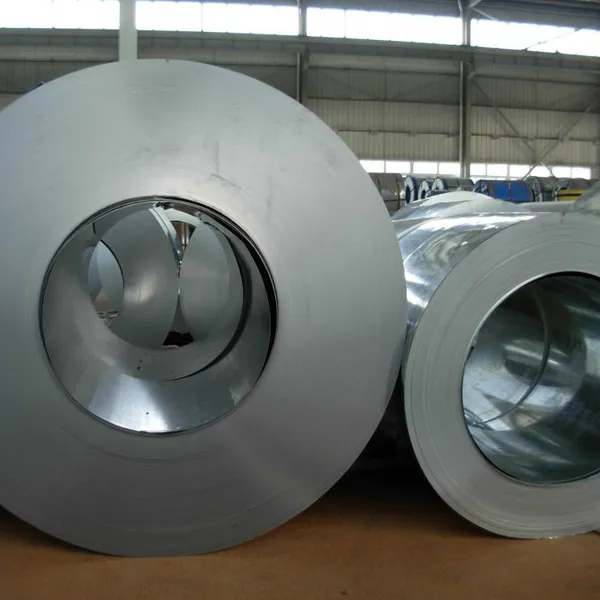
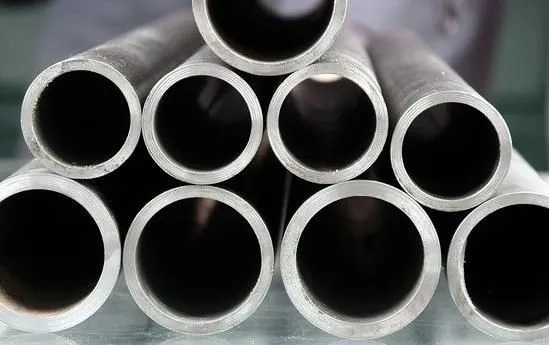
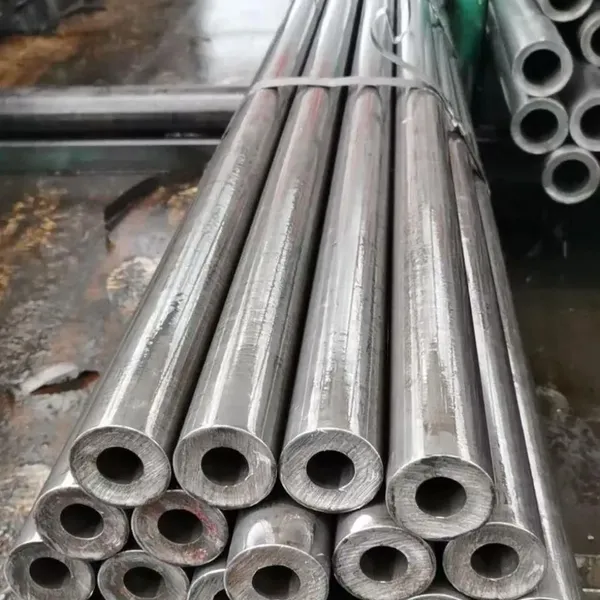
DT4 Seamless Pure Iron Tubing for High-Performance Electrical Equipment ApplicationsNegotiableMOQ: 1 Ton
-
DT4C Iron Wire Rod for Precision Magnetic Shielding ApplicationsNegotiableMOQ: 100 Kilograms
-
Industrial Pure Iron Fittings DT4 Pure Iron Seamless Tube With Low Hysteresis Loss for Electromagnetic SystemsNegotiableMOQ: 1 Ton
-
DT4C Cold Rolled Coil Slitting for Electrical Enclosure ManufacturingNegotiableMOQ: 1 Ton
-
Anti Rust Coated Pure Iron Square Bar Low Carbon Raw Material for Welding and Forging Magnetic PartsNegotiableMOQ: 100 Kilograms
-
DT4 Pure Iron Cold-Drawn Wire 0.5mm-6.0mm Diameter for Precision EngineeringNegotiableMOQ: 500 Kilograms