
 Business License

Raw Material Pure Iron Square Bar: Complete Technical Guide for Electromagnetic Applications
The engineering team of a German automotive supplier obtained immediate and measurable results after they changed their solenoid valve core materials from standard carbon steel to DT4C pure iron square bar. The system achieved a 23% decrease in response time. The system achieved an 18% reduction in energy consumption. The system achieved its most important result because the inconsistent magnetic retention which had existed for months in their quality control system finally vanished.Find more info now.
This situation does not occur as a standalone instance. Engineers throughout the electromagnetic device industry have found that material selection at the raw bar stage directly affects the performance of finished products. The square bar form which people typically ignore in favor of round stock provides distinct benefits for both stamping laminations and manufacturing custom cores and building structures that need flat surfaces.
The guide contains complete information about raw material pure iron square bar through its specifications and grade selection and applications and the square profile's impact on your manufacturing process. The technical information you need to understand will help you achieve optimal performance when you acquire materials for relays and transformers and magnetic shielding systems.
What Is Raw Material Pure Iron Square Bar?
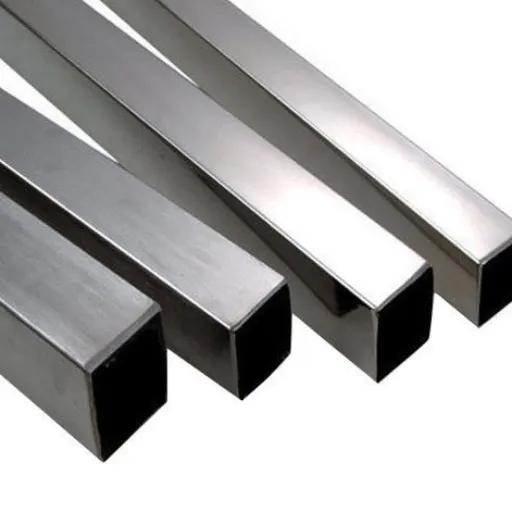
The pure iron square bar raw material represents a high-purity, low-carbon iron product which comes in square cross-section form and serves dedicated electromagnetic applications. The pure iron square bar functions as a specialized material which engineers magnetic performance through its design while standard steel bar stock focuses on providing structural strength.
Defining Characteristics
Chemical Purity: Pure iron square bar contains ≥99.5% iron, with carbon content typically below 0.025% (and as low as 0.010% for premium grades like DT4C). The ultra-low carbon content results in complete ferrite microstructure formation which prevents the standard steel materials from developing pearlite phases that would decrease their magnetic capabilities.
Magnetic Optimization: The material exhibits high magnetic permeability which reaches μmax values of 7,500 mH/m for standard grades and 15,000 mH/m for DT4C. The material has low coercivity which reaches Hc values of 96 A/m while premium grades can achieve values below 32 A/m. The material exhibits a saturation flux density which measures approximately 2.15 Tesla, which exceeds the values found in silicon steel alternatives.
Square Profile Advantages: While round bars dominate general metal distribution, square bar stock offers specific benefits for electromagnetic manufacturing:
Efficient nesting when stamping laminations, reducing material waste
Flat reference surfaces for precision machining operations
Structural stability in applications requiring non-rotational components
Better packing density in certain core configurations
Available Forms and Sizes
Pure iron square bar is typically available in:
| Form | Size Range | Typical Tolerances |
|---|---|---|
| Hot-rolled square bar | 20mm – 150mm | h11 per GB/T 702 |
| Cold-drawn square bar | 5mm – 80mm | h9 or better |
| Precision-ground | 10mm – 50mm | h7 upon request |
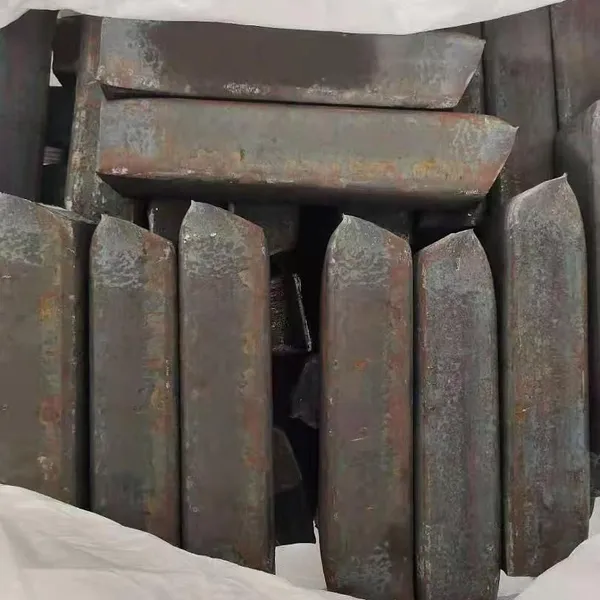
Standard lengths range from 3,000mm to 6,000mm, with custom cutting available. Surface finishes include as-rolled (black), pickled, or cold-drawn bright finish depending on application requirements.
Pure Iron Grade Classification: Understanding DT4, DT8, and DT9
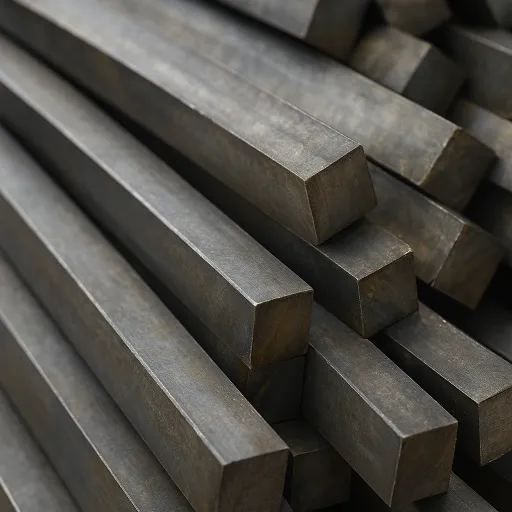
The proper selection process requires grade selection for pure iron square bar to meet specific magnetic performance needs. Chinese electromagnetic pure iron grades follow a systematic classification that indicates both application type and quality level.
Grade Naming Convention
The grade designation consists of three parts:
DT: Abbreviation for "Dian Tie" , meaning electrical iron
Number: Category code (4 = electromagnetic, 8 = non-hairline, 9 = high-density)
Suffix letter: Quality level (none = standard, A = advanced, E = special, C = super)
DT4 Series: Electromagnetic Pure Iron
The DT4 series represents the standard electromagnetic grades, optimized for general-purpose magnetic applications.
| Grade | Max Coercivity (Hc) | Min Permeability (μmax) | Max Carbon (%) | Primary Applications |
|---|---|---|---|---|
| DT4 | ≤96 A/m | ≥7,500 | ≤0.040 | General transformers, magnetic chucks |
| DT4A | ≤72 A/m | ≥10,000 | ≤0.030 | Motors, generators, relays |
| DT4E | ≤48 A/m | ≥15,000 | ≤0.025 | Precision instruments, audio transformers |
| DT4C | ≤32 A/m | ≥15,000 | ≤0.015 | High-efficiency motors, solenoid valves, aerospace |
Key Insight: Each step up in grade quality (A → E → C) reduces coercivity by approximately 25-33%, meaning less energy is required to magnetize and demagnetize the material. For high-frequency switching applications like relays and solenoids, this directly translates to faster response times and lower operating temperatures.
DT8 Series: Non-Hairline Pure Iron
DT8 grades are engineered for electronic tube and vacuum applications where surface integrity is paramount.
| Grade | Max Coercivity (Hc) | Min Permeability (μmax) | Special Characteristics |
|---|---|---|---|
| DT8 | ≤96 A/m | ≥7,500 | Non-hairline structure |
| DT8A | ≤72 A/m | ≥8,750 | Reduced surface defects |
| DT8E | ≤48 A/m | ≥12,500 | Vacuum-tight properties |
| DT8C | ≤32 A/m | ≥15,000 | Ultra-low inclusion content |
The "non-hairline" designation indicates strict control of surface defects and internal inclusions. This is critical for vacuum applications (X-ray tubes, power grid tubes) where outgassing from material defects can compromise tube performance.
DT9 Series: High-Density Pure Iron
DT9 represents the highest purity grades which contain carbon at less than 0.010% and iron at more than 99.9%. The grades provide
Coercivity as low as 16 A/m
The maximum permeability value reaches 25,000 mH/m
The material exhibits exceptional magnetic stability
The material experiences minimal magnetic aging
The application requires scientific instruments and particle accelerators and MRI components and aerospace navigation systems which need unbreakable magnetic performance.
Grade Selection Decision Framework
The procurement manager at the relay manufacturing company faced his material selection decision for a new product line between two specific factors. The 60 Hz industrial relays of DT4A delivered sufficient performance while maintaining its targeted cost. The engineering team required DT4C for their new high-speed signal relay which operates at 400 Hz in order to achieve minimal hysteresis losses.
Use this framework for your selection:
Choose DT4 (Standard) when:
Cost is the primary constraint
DC or low-frequency AC applications (<50 Hz)
Non-critical magnetic performance requirements
Choose DT4A/DT4E when:
Moderate efficiency improvements justify material cost
General industrial motors and transformers
Standard relay and solenoid applications
Choose DT4C when:
Maximum energy efficiency is required
High-frequency switching (>100 Hz)
Premium product positioning
Aerospace, medical, or scientific applications
Choose DT8 Series when:
Vacuum environments are involved
Electronic tube manufacturing
Surface integrity is critical
Choose DT9 when:
Scientific or medical instrumentation
Particle accelerator components
No-compromise magnetic performance
Technical Specifications and Standards
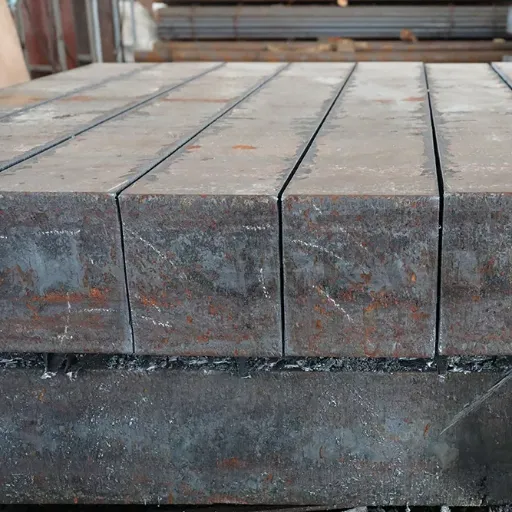
The technical specifications of pure iron square bar need to be understood because they help you verify whether the material meets your application needs. The materials used in this project must comply with multiple international standards.
Chemical Composition Requirements
| Element | DT4 Max % | DT4C Max % | DT8 Max % | Test Method |
|---|---|---|---|---|
| Carbon (C) | 0.040 | 0.015 | 0.015 | GB/T 223.86 |
| Silicon (Si) | 0.20 | 0.20 | 0.20 | GB/T 223.5 |
| Manganese (Mn) | 0.30 | 0.30 | 0.30 | GB/T 223.4 |
| Phosphorus (P) | 0.020 | 0.015 | 0.015 | GB/T 223.59 |
| Sulfur (S) | 0.020 | 0.015 | 0.010 | GB/T 223.68 |
| Aluminum (Al) | 0.15-0.50 | 0.15-0.50 | 0.15-0.50 | GB/T 223.9 |
| Iron (Fe) | Balance | ≥99.85% | ≥99.85% | By difference |
The aluminum content is particularly important—it acts as a deoxidizer and contributes to magnetic aging resistance. Premium grades require tighter control of all trace elements.
Magnetic Properties
Coercivity (Hc): The magnetic field strength needed to achieve complete demagnetization after the material reaches its maximum magnetization level. Lower values mean easier magnetization/demagnetization cycles—critical for relays and high-frequency applications.
Maximum Permeability (μmax): The ratio which compares magnetic flux density to magnetic field strength at the point where materials show their strongest magnetic response. Higher values indicate more efficient magnetic conduction.
Magnetic Induction (B): The test measures magnetic induction at different field strengths which include B200 B500 and B1000 and other strength levels to show the material's capacity to carry magnetic flux at various excitation points.
| Grade | B200 (T) | B500 (T) | B1000 (T) | B2500 (T) | B5000 (T) | B10000 (T) |
|---|---|---|---|---|---|---|
| DT4 | ≥1.20 | ≥1.35 | ≥1.45 | ≥1.56 | ≥1.67 | ≥1.80 |
| DT4A | ≥1.20 | ≥1.35 | ≥1.45 | ≥1.56 | ≥1.67 | ≥1.80 |
| DT4E | ≥1.20 | ≥1.35 | ≥1.45 | ≥1.56 | ≥1.67 | ≥1.80 |
| DT4C | ≥1.20 | ≥1.35 | ≥1.45 | ≥1.56 | ≥1.67 | ≥1.80 |
Note that while induction values are similar across grades, the coercivity and permeability differences significantly impact real-world performance.
Physical and Mechanical Properties
| Property | Value | Notes |
|---|---|---|
| Density | 7.86 g/cm³ | Standard iron density |
| Melting point | 1,536°C | Pure iron melting point |
| Curie temperature | ~770°C | Loss of ferromagnetism |
| Electrical resistivity | ~10-11 μΩ·cm | Higher than silicon steel |
| Thermal conductivity | 73 W/m·K | At 20°C |
| Tensile strength | ≥265 MPa | Annealed condition |
| Yield strength | ~140-165 MPa | Annealed condition |
| Elongation | ≥25% | Annealed condition |
| Hardness (HV5) | ≤195 | Annealed condition |
Applicable Standards
GB/T 6983-2008: Chinese national standard for electromagnetic pure iron
ASTM A848: Standard specification for magnetic pure iron in the US
ASTM A1126-23: Latest specification for magnetic pure iron
IEC 60404-8-6: International standard for magnetic materials
You need to provide the relevant standard when you request materials because this requirement ensures that you will receive materials which have the correct specifications and certification.
Applications of Pure Iron Square Bar in Electromagnetic Devices
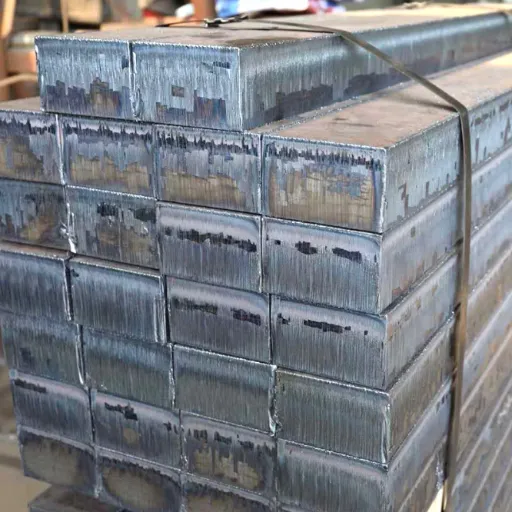
The unique combination of high permeability, low coercivity, and machinability makes pure iron square bar essential for numerous electromagnetic applications. The understanding of these use cases enables you to select appropriate grade and processing methods that suit your project requirements.
Solenoid Valves and Electromagnetic Actuators
Solenoid valves require materials that respond rapidly to magnetic excitation while maintaining stable retention force when energized. The square bar form is particularly useful here because:
The flat surfaces enable precise reference for machining plunger guides.
Square stock can be efficiently sliced into thin laminations for AC solenoids.
Multiple valve cores can be stamped from bar stock which achieves optimal material usage.
Recommended Grade: DT4C for high-speed valves (response times
Case Example: A manufacturer of fuel injection systems specified DT4C square bar for their high-pressure direct injection valves. The material exhibited low coercivity of 32 A/m which resulted in 15% faster valve operation than their previous DT4 material this improvement enhanced fuel atomization and decreased emissions in the final engine application.
Relay Systems
The operation of all electromagnetic relays which range from small signal relays through to large power contactors requires core materials which exhibit consistent magnetic characteristics. The square bar profile serves multiple relay manufacturing processes:
Core stampings: Square bar is slit and stamped into E-I laminations
Armature blanks: Cross-sections cut from square bar for armature machining
Yoke components: Square profile provides rigid magnetic return paths
Why Pure Iron Matters: Low coercivity ensures reliable drop-out when de-energized. In safety-critical relays, residual magnetism from high-coercivity materials can cause contacts to "stick"—a failure mode pure iron essentially eliminates.
Recommended Grade: DT4E or DT4C for precision and signal relays; DT4A for power relays where cost is a larger factor.
Transformer Cores
The primary material used for large power transformers is grain-oriented silicon steel while pure iron square bars function as essential components in multiple applications which include:
Instrument transformers: Precision current and voltage transformers
Audio transformers: Hi-fi and professional audio equipment
Pulse transformers: Digital and communication systems
Specialty units for small power transformers which operate below 1 kVA
The performance advantage of pure iron results from its ability to reach a saturation flux density of approximately 2.15 Tesla which exceeds the 2.0 Tesla limit of silicon steel. The 7 to 10 percent performance advantage allows for decreased core cross-sectional areas which leads to diminished copper winding needs and a more compact transformer design.
Processing Note: The magnetic properties of transformer laminations made from square bar require restoration through annealing which must occur at 700 to 900°C in a hydrogen atmosphere after the stamping process has caused magnetic property deterioration from cold working.
Magnetic Shielding
To maintain purely iron square bar (or square rod) in shielding sensitive electronic equipment from external magnetic fields, one is given:
A high level of permeability. This promotes the routing of the magnetic flux entirely without saturation around the volume that is shielded.
Malleability. It allows the metal to be easily milled, punched, or cut to form various shield geometries.
Cheap iron. Iron is much cheaper a material than nickel alloys for this principle.
Design considerations: The protection provided by a shield depends on its thickness and form. Pure iron is good for fields to DC and low-AC fields that are at a lower frequency. At higher frequencies, pure iron is better because of its lower resistivity compared to silicon steel but in such case laminated shielding would be required to limit eddy currents.
Motors and Generators
Pure iron square bar serves DC motor and small AC motor manufacturing:
Armature cores: Stacked laminations from slit square bar
Pole pieces: Machined from solid bar for small motors
Magnetic chucks: Workholding devices for grinding and machining
Efficiency Impact: Using DT4C instead of standard DT4 material can improve motor efficiency by 2-3 percentage points—a significant gain for IE3/IE4 premium efficiency motor designs.
Specialized Applications
Particle Accelerators: For bending and focusing magnets, materials with finely tuned magnetic properties are needed. DT9 grades offer the stability and purity required for these scientific instruments.
MRI Systems: The magnetic components used in MRI equipment require materials with exceptional magnetic uniformity. Pure iron yokes and pole pieces shape up the intense magnetic field required for medical imaging.
Aerospace Navigation: Fluxgate magnetometers and precision navigation systems owe their sensitivity and stability across temperature ranges to the pure iron cores used.
Processing Pure Iron Square Bar: From Raw Stock to Finished Component
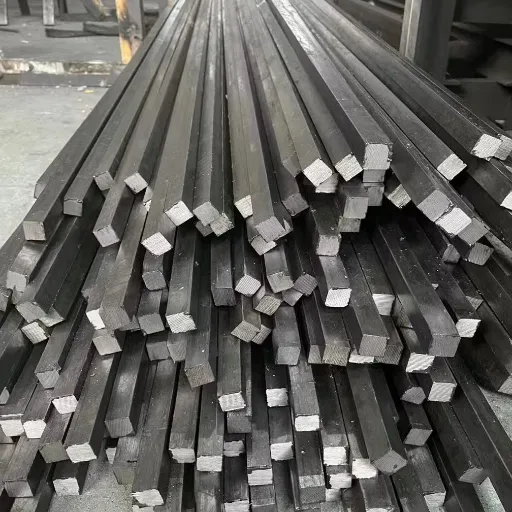
The magnetic properties of pure iron are influenced by mechanical working. An understanding of effecting processing ensures that the components are used in achieving their design performances.
Cold Working Effects
Cold working (cold drawing, stamping, machining) introduces dislocations into the iron crystal structure, which:
Increases hardness and strength
Reduces ductility
Degrades magnetic properties significantly
A cold-drawn pure iron bar may exhibit coercivity 2-3× higher than the same material in annealed condition. This is why magnetic annealing is critical for electromagnetic applications.
Magnetic Annealing Process
Annealing restores optimal magnetic properties by:
Relieving internal stresses from cold working
Promoting grain growth (larger grains = better magnetic properties)
Removing carbon and nitrogen from solution (reducing coercivity)
Recommended Annealing Cycle:
Heat to 700-900°C (higher temperatures for larger grain size)
Hold for 2-4 hours
Cool slowly (≤50°C/hour to 300°C)
Atmosphere: Dry hydrogen or vacuum (prevents oxidation)
Critical Note: After annealing, components must be handled carefully. Mechanical stress from clamping or impact can reintroduce magnetic degradation.
Available Processing Services
When sourcing pure iron square bar, consider suppliers offering integrated processing:
| Service | Description | Benefit |
|---|---|---|
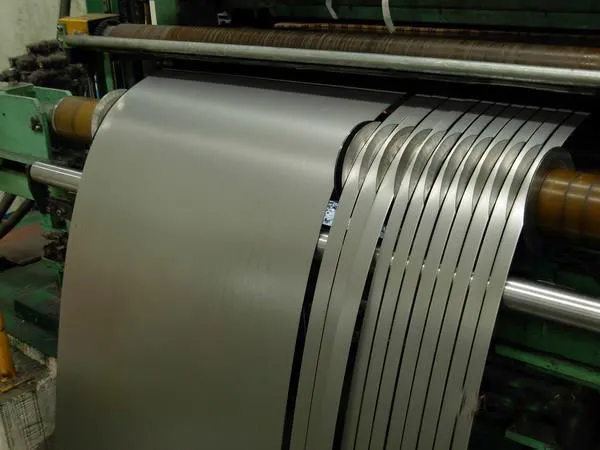
| Slitting | Cutting coils or bars into narrow strips | Ready-for-stamping laminations |
| Straightening | Removing bow and twist from bar stock | Improved machining accuracy |
| Cold drawing | Pulling through dies for dimensional precision | Tight tolerances, bright finish |
| Cutting | Saw or shear cutting to length | Ready-to-machine blanks |
| Turning/Milling | CNC machining to custom shapes | Finished components |
| Forging | Hot forming complex shapes | Near-net-shape parts |
Integrated Advantage: Sourcing material and processing from a single supplier ensures:
Consistent material quality through processing
Proper handling to prevent magnetic degradation
Traceability from raw material to finished component
Reduced coordination and lead time
Sourcing Pure Iron Square Bar: Key Considerations
Choosing a supplier for pure iron square bar is not just about price comparison. Consistent quality, technical support, and supply dependability will stay most important in the success of the manufacture.
What to Specify
Grade: Clearly state the grade (DT4, DT4C, DT8, etc.) and applicable standard (GB/T 6983, ASTM A848, etc.)
Dimensions: Specify:
Square cross-section size (mm)
Length requirements
Tolerance class (h9, h11, etc.)
Straightness requirements
Surface Finish: As-rolled (black), pickled, cold-drawn bright, or ground
Certification: Request material test reports (MTRs) including:
Chemical composition analysis
Magnetic property test results
Mechanical property data
Heat number for traceability
Processing Requirements: If you need cut-to-length, slit, or machined material, specify tolerances and surface requirements for the processed condition.
Quality Verification
Reputable suppliers should provide:
Chemical analysis: Spectrographic analysis verifying carbon, silicon, manganese, and trace elements
Magnetic testing: Coercivity and permeability measurements on sample specimens
Dimensional inspection: Caliper and micrometer verification of cross-section and straightness
Visual inspection: Surface quality assessment per applicable standards
Red Flags: Suppliers who cannot provide test data, offer prices significantly below market (indicating off-grade material), or lack experience with electromagnetic applications.
The Taiyuan Production Advantage
China's Shanxi Province capital, Taiyuan, epitomizes the world's largest concentration of pure iron production capacity, yielding the following pros courtesy of geographic concentration:
1. Integrated supply chain: Raw materials are sourced, melted, rolled, and processed within the region.
2. Technological capabilities: Decades of experience in producing pure iron
3. Capabilities: Multiple suppliers mean that the supply is assured.
4. Economies of scale: Therefore, price competition is very aggressive.
Working with suppliers of repute in Taiyuan thus opens international buyers to this elaborate production setting in addition to export capabilities and quality systems to cater to global supply.
Pure Iron Square Bar vs. Alternative Materials
Understanding how pure iron compares to alternative materials ensures optimal material selection for your application.
Pure Iron vs. Silicon Steel (Electrical Steel)
| Property | Pure Iron | Silicon Steel | Advantage |
|---|---|---|---|
| Saturation flux density | ~2.15 T | ~1.9-2.0 T | Pure iron |
| Coercivity | 16-96 A/m | 50-100+ A/m | Pure iron |
| Electrical resistivity | ~10 μΩ·cm | 25-50 μΩ·cm | Silicon steel |
| Core loss at 50/60 Hz | Lower | Higher | Pure iron |
| Core loss at 400+ Hz | Higher | Lower | Silicon steel |
| Cost per kg | Higher | Lower | Silicon steel |
| Machinability | Excellent | Good | Pure iron |
Selection Guidance:
Choose pure iron for DC applications, low-frequency AC (<100 Hz), applications requiring maximum flux density, or where machining complexity favors the more workable material
Choose silicon steel for high-frequency applications (>400 Hz), large power transformers, or where material cost dominates lifecycle cost
Pure Iron vs. Carbon Steel
Carbon steel should not be used in electromagnetic applications for consistent performance. The greater carbon content (0.1-0.5% versus
Ferrite-pearlite microstructures with varying degrees of magnetic properties.
Higher coercivity (often within the range of 200-500 A/m).
Considerably decent magnetization creep with time.
Unpredictable effective permeability
Carbon steel is only suitable for structural magnetic components where magnetic performance is not crucial.
Pure Iron vs. Nickel Alloys (MuMETAL®, Permalloy)
High-nickel alloys offer the highest permeability available but at significant cost:
| Property | Pure Iron (DT4C) | MuMETAL® |
|---|---|---|
| Max permeability | 15,000 | 50,000-100,000 |
| Cost | 1× | 10-20× |
| Saturation | 2.15 T | 0.7-0.9 T |
| Machinability | Excellent | Moderate |
Selection: Use nickel alloys only for extreme shielding applications where maximum permeability is essential. For general electromagnetic applications, pure iron provides the best performance-to-cost ratio.
Conclusion
Pure iron square bars are a critically necessary material for the modern vision of electromagnetic devices. From solenoid valves regulating industrial automation systems to transformers for electrical power distribution, magnetic properties of pure iron play a decisive role in the performance, efficiency, and working reliability of the device.
Important takeaways in brief:
Material grades that perform better: DT4C material with 3× less coercivity than normal DT4 will save a lot of energy and greater response times in high-frequency applications.
Benefits of having the profile of a square: Easy nesting against layouts, flat reference surfaces for machining processes, and structural stability makes square bars a befitting choice for quite a number of electromagnetic applications.
Relative reverse airtime: Cold working operation deteriorates original magnetic properties; therefore annealing process should also be quoted in the materials requiring optimal performance.
Source locally: Taiyuan remains a linchpin, the single largest source of magnetite-grade iron, and a center for integrated iron processing services.
Specifications apply broadly to: The selection of iron grades (dependent on application) corresponding to iron purity and consistency, supplier reliability, availability, cost, and delivery timings.
Choosing pure iron quality (purity, impurity level) comes foremost in design where a further subsequent evaluation of grades may be additionally influenced by, e.g., supplier performance, location, or cost advantage.
Frequently Asked Questions
What is the distinction among pure irons DT4 and DT4C?
DT4 iron has high magnetic properties in contrast with the improved version, DT4C. With a coercivity of 96 A/m, DT4 has been overhauled by DT4C with 32 A/m. The permeability is minimum of 7,500 mH/m for DT4 and for DT4C it is way higher to exhibit the value around 15,000 mH/m. Similarly, the carbon content in DT4 is tagged at a high value when matched with the DT4C around more than 400% of carbon, meaning DT4C is relatively low in carbon. The difference achieved is 15-30% of an increase in the energy efficiency that says electromagnetic applications.
Can a pure iron square bar be used for high-frequency applications?
Pure iron shows its stuff well at frequencies below 400 Hz. Beyond this mark, silicon iron, with a far higher electrical resistance, is superior as it causes eddy current losses to decrease. For high-frequency applications, laminated construction employing thin pure iron sheets should be considered to safeguard the suppression of eddy currents.
Is Magnetic annealing always needed for pure iron?
Cold working (including machining, stamping, and cold drawing) must be attended with magnetic annealing for redeeming magnetic properties which were damaged by mechanical stress. In contrast, hot-rolled material delivered in an annealed condition and kept in good clean will not be re-annealed even after staining or theft.
What are the tolerances in pure iron square bar?
Normally, with the help of GB/T 702, h11 for hot-rolled and h9 for cold-drawn bars are available. However, precise tolerances (h7 or better) can be achieved through grinding or the employment of cold drawing. When nogating, it is imperative to specify one's tolerance needs, as a normal mill tolerance might not be sufficient for precision machining.
How does pure iron compare to ARMCO®?
ARMCO® is a trade name recognized for some time from AK Steel for high-purity iron. Our Chinese DT4C and DT8C grades are about cost-competitive for their magnetic properties, almost as good as ARMCO®. Both materials are rated to meet similar international standards (ASTM A848, IEC 60404-8).
Recently Posted
-
Industrial Pure Iron vs. Armco Iron: Terminology, History, and Modern Equivalents
September 2, 2026Not long ago, a European motor manufacturer opened an aging drawing for a magnetic shielding housing and found the material callou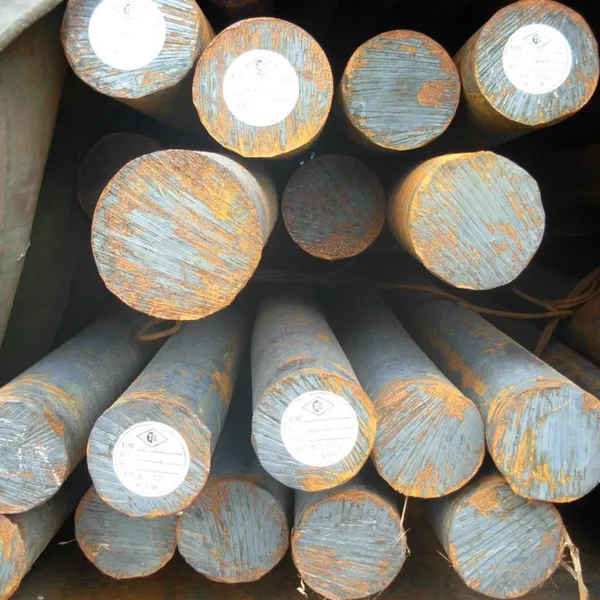 Read More
 -
Shanxi Jurun Technology: Your Electromagnetic Pure Iron Partner from Taiyuan, China's Pure Iron Prod
August 14, 2026When an international buyer searches for electromagnetic pure iron, they are not just looking for a material. They are looking for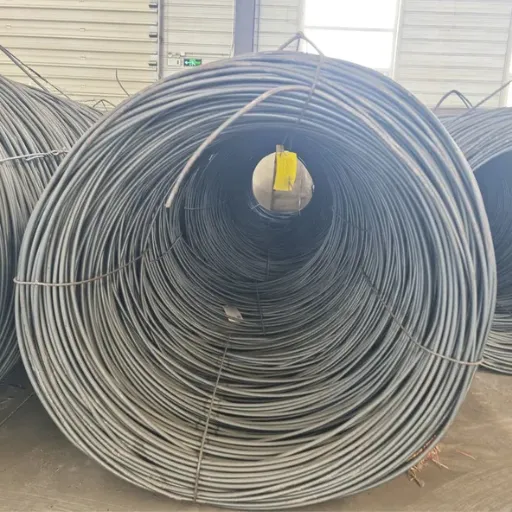 Read More
 -
Cold Drawing Process for Electromagnetic Pure Iron Wire: How Wire Rod Becomes Precision Cold-Drawn W
August 13, 2026Not long ago, a solenoid valve manufacturer in Italy received a shipment of 5.5 mm electromagnetic pure iron cold-drawn wire inten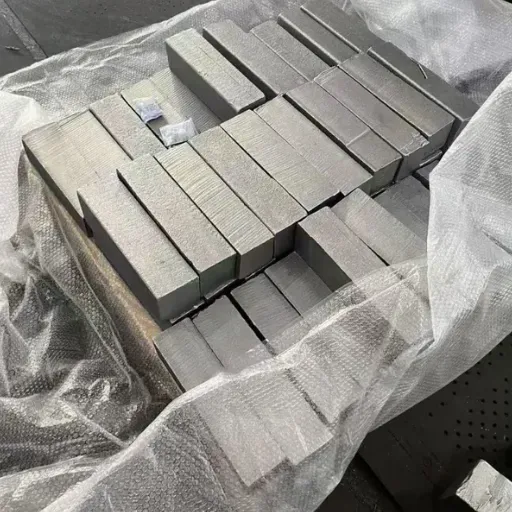 Read More
 -
How to Choose a Food Vacuum Sealer Supplier in China: 8 Evaluation Criteria
August 13, 2026An e-commerce brand owner in the UK contacted us some time ago after a supplier relationship fell apart. They had sourced roughly Read More

Contact Us
Recommended Products
-
 Seamless Tube With Good Cold Electrical Pure Iron Fittings Hot Workability for Forming Fittings and ConduitsNegotiableMOQ: 1 Ton
 -
Electromagnetic Pure Iron Forging for Automotive Sensor ManufacturingNegotiableMOQ: 100 Kilograms
-
Precision Cut Pure Iron Square Bar High Saturation Induction Raw Material for Generator and RotorNegotiableMOQ: 100 Kilograms
-
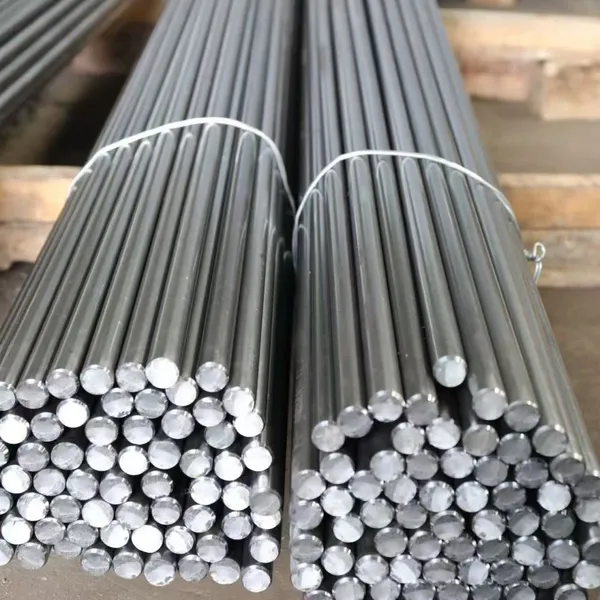
DT4C Super Grade Electromagnetic Pure Iron Bright Bar With Bundle Weight 30-100kg for Easy TransportationNegotiableMOQ: 1 Ton
-
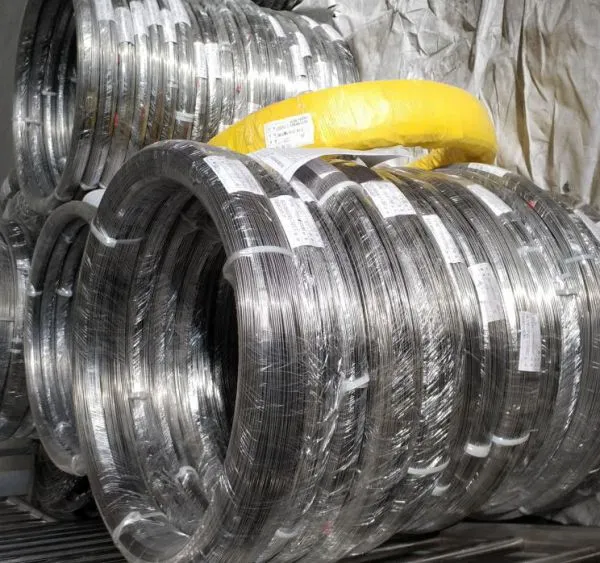
DT4C Electromagnetic Pure Iron Cold-Drawn Wire 0.5mm-6.0mm Diameter for TransformersNegotiableMOQ: 100 Kilograms
-
Industrial Pure Iron Bar for Electromagnetic Relay and Sensor ProductionNegotiableMOQ: 1 Ton
-
Electromagnetic Pure Iron Thin Sheet 0.3mm-0.8mm for Solenoid and Relay ManufacturingNegotiableMOQ: 500 Kilograms
-
Electrical Pure Iron Hot-Rolled Coil for Magnetic Components With Low Iron LossNegotiableMOQ: 1 Ton
-
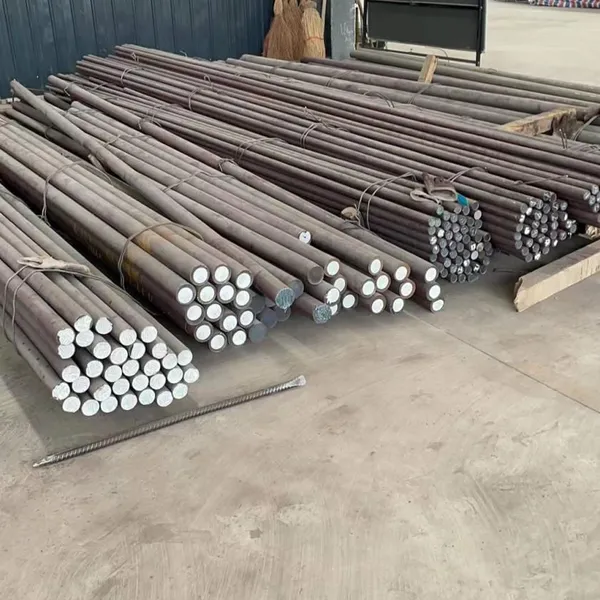
Low Carbon DT4C Pure Iron Round Bar With 99.8% Fe Content for Electrical ApplicationsNegotiableMOQ: 1 Ton
-
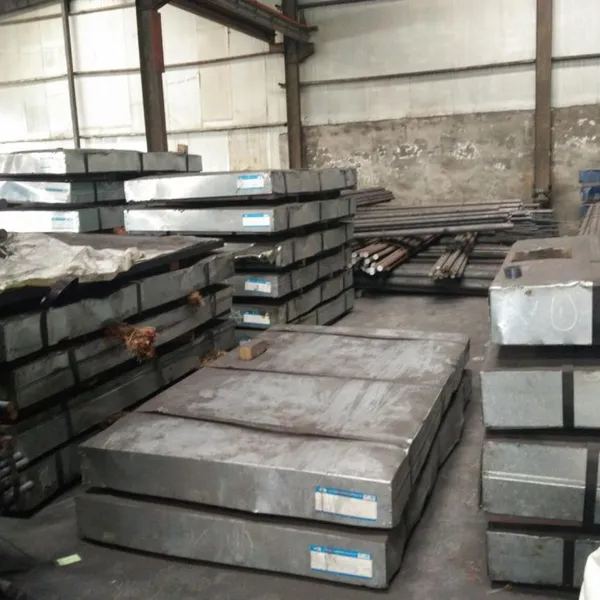
Cold Rolled Pure Iron Slit Coil DT4C Grade Ultra Low Carbon ≤0.004% for Magnetic ComponentsNegotiableMOQ: 1 Ton
-
Low Iron Loss Electromagnetic Pure Iron Hot-Rolled Coil DT4C for Transformer CoresNegotiableMOQ: 1 Ton
-
Soft Magnetic Pure Iron Sheet With Minimum Iron Loss for High-Efficiency MotorsNegotiableMOQ: 1 Ton
-
Electromagnetic Pure Iron Cold Rolled Coil DT4C for High Magnetic Permeability ApplicationsNegotiableMOQ: 1 Ton
-
Industrial Pure Iron Tube Superior Surface Quality Electromagnetic Pure Iron Tube for Welding and Plating ProcessesNegotiableMOQ: 1 Ton
-
DT4 Seamless Pure Iron Tubing for High-Performance Electrical Equipment ApplicationsNegotiableMOQ: 1 Ton
-
DT4C Iron Wire Rod for Precision Magnetic Shielding ApplicationsNegotiableMOQ: 100 Kilograms
-
Industrial Pure Iron Fittings DT4 Pure Iron Seamless Tube With Low Hysteresis Loss for Electromagnetic SystemsNegotiableMOQ: 1 Ton
-
DT4C Cold Rolled Coil Slitting for Electrical Enclosure ManufacturingNegotiableMOQ: 1 Ton
-
Anti Rust Coated Pure Iron Square Bar Low Carbon Raw Material for Welding and Forging Magnetic PartsNegotiableMOQ: 100 Kilograms
-
DT4 Pure Iron Cold-Drawn Wire 0.5mm-6.0mm Diameter for Precision EngineeringNegotiableMOQ: 500 Kilograms