
 Business License

Electrical Pure Iron Wire: DT4–DT4C Specs & Applications
The entire production line freezes when a solenoid valve that remains open because of its malfunctioning condition. Manufacturing engineer Chen Wei found the real reason for repeated valve breakdowns when he investigated the problem at a Shanghai automotive parts manufacturing facility in February 2024. His supplier had substituted standard carbon steel for the specified pure iron wire which resulted in 300% increased coercivity and created magnetic remanence that blocked proper valve operation.Find more info now.
You understand that material selection directly determines electromagnetic performance. The wrong grade creates energy losses, response delays, and premature component failure. Electrical pure iron wire serves as the critical core material in solenoids, relays, and transformers, where its magnetic properties directly impact system efficiency and reliability.
The guide delivers all specifications needed for DT4 series electrical pure iron wire grades. You will master grade selection for your application. You will learn processing methods that maximize magnetic performance, and you will discover materials that fulfill your technical and production needs.
What Is Electrical Pure Iron Wire?
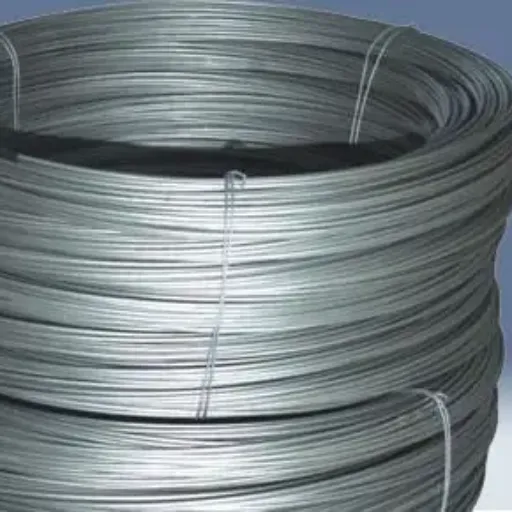
Definition and Key Characteristics
Electrical pure iron wire exists as a highly pure iron wire which contains minimal carbon content. The electrical pure iron wire achieves its best magnetic performance through its precise material composition and processing techniques which the engineers developed.
The material typically contains:
Iron content ≥99.5%
Carbon content ≤0.010% (standard grade) to ≤0.004% (superior grade)
The material contains minimal residual elements including silicon and manganese and sulfur and phosphorus.
The material contains processed grain structures which produce uniform magnetic characteristics.
The soft magnetic characteristics which occur when the material enters and exits magnetized states. The material allows magnetic fields to pass through at high efficiency because of its high magnetic permeability. The material allows magnets to reverse their magnetic direction with quick speed because it has low coercivity. The material loses minimal energy through hysteresis because it maintains low hysteresis loss.
Wire Form vs. Solid Core: Engineering Considerations
Electrical pure iron wire provides better benefits than solid core materials in particular use cases. The core structure formed by bundled thin wire strands demonstrates a strong ability to decrease eddy current losses when exposed to alternating magnetic fields.
The research conducted by Kobe Steel shows that thin wire bundles demonstrate better eddy current reduction than solid core materials. Wire form shows its greatest importance in AC solenoids and high-frequency transformers and rapid-switching relays because these applications require fast response times and effective thermal management.
Solid cores function properly in DC systems that operate with infrequent switching. The following conditions demonstrate better performance through wire bundle usage:
AC excitation creates changing magnetic fields
Rapid response times are required (sub-10 millisecond switching)
Thermal constraints limit acceptable core losses
Complex core geometries require formability
DT4 Series Grades: Specifications and Selection Guide
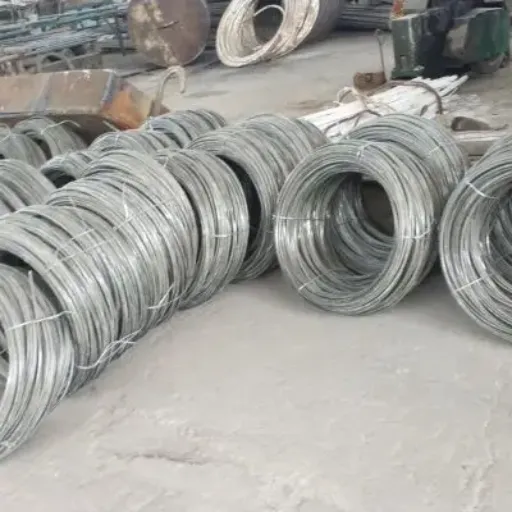
The DT4 series represents China's standardized electromagnetic pure iron grades which show increasing magnetic strength through each grade level. Your performance needs will determine which material you should use after you understand the material distinctions.
DT4 (Standard Grade)
The pure iron grade DT4 functions as the basic electromagnetic standard which provides equal performance capabilities for most applications that need moderate magnetic strength and have high budget constraints.
Key Specifications:
Coercivity (Hc): ≤96 A/m
Maximum permeability: ≥7.5 mH/m
Carbon content: ≤0.010%
Typical applications: Industrial relays, basic solenoids, DC electromagnets
This grade suits applications where switching frequency is low and energy efficiency, while important, doesn't justify premium material costs.
DT4A (Advanced Grade)
DT4A provides improved magnetic performance through tighter compositional control and refined processing, making it suitable for applications that demand superior efficiency beyond what standard grades can provide.
Key Specifications:
Coercivity (Hc): ≤72 A/m
Maximum permeability: ≥10.0 mH/m
Carbon content: ≤0.008%
Typical applications: Power transformers, motor components, industrial sensors
The 25% reduction in coercivity compared to DT4 results in decreased hysteresis losses which boost energy efficiency for continuous-duty operations.
DT4E (Extra High Performance)
The project DT4E develops electromagnetic components which need precise performance and highenergy efficiency as essential design requirements. The grade demands stricter manufacturing controls which lead to better magnetic consistency.
Key Specifications:
Coercivity (Hc): ≤48 A/m
Maximum permeability: ≥12.5 mH/m
Carbon content: ≤0.006%
Typical applications: Instrument transformers, precision relays, servo valves
The increased permeability allows engineers to develop smaller component designs. The reduced coercivity value enables higher switching speeds while decreasing power needs for operation.
DT4C (Superior Grade)
The DT4 series reaches its highest performance level through DT4C which provides excellent magnetic properties because of its pure materials and its microstructure design. The grade requires high costs to purchase yet its exceptional performance benefits make the cost worthwhile.
Key Specifications:
Coercivity (Hc): ≤32 A/m
Maximum permeability: ≥15.0 mH/m
Carbon content: ≤0.004%
Saturation flux density (Bs): 2.15 T
Typical applications: High-frequency solenoids, latching relays, precision measurement equipment
Maria Santos who worked as a procurement manager at a Brazilian valve manufacturer implemented DT4C wire for their pneumatic solenoid operations. The response time showed improvement. The system used 12% less power. The warranty claims for valve sticking which occurred because of residual magnetism from the previous material decreased by 94% during a six-month period.
Grade Comparison Table
| Property | DT4 | DT4A | DT4E | DT4C |
|---|---|---|---|---|
| Coercivity (Hc) | ≤96 A/m | ≤72 A/m | ≤48 A/m | ≤32 A/m |
| Max Permeability | ≥7.5 mH/m | ≥10.0 mH/m | ≥12.5 mH/m | ≥15.0 mH/m |
| Carbon Content | ≤0.010% | ≤0.008% | ≤0.006% | ≤0.004% |
| Relative Cost | Baseline | +15% | +35% | +55% |
| Best For | Standard duty | Efficiency critical | Precision components | High-performance needs |
Selection Decision Framework
The selection of the right grade requires a decision-making process that must evaluate both performance standards and financial limitations. The following factors must be examined:
Switching Frequency: Higher switching frequencies demand lower coercivity grades. Applications that operate beyond 100 Hz must use either DT4E or DT4C.
Energy Efficiency: Continuous-duty applications create substantial energy expenses. The total cost of ownership requires calculation because premium grades deliver financial returns through decreased energy usage.
Response Time: Fast-acting solenoids and high-speed relays need low coercivity materials because they require quick magnetization reversal.
Residual Magnetism: Applications that use latching relays and proportional valves experience operational issues which DT4C solves through its very low residual magnetization.
Budget Constraints: The performance requirements of users permit DT4 and DT4A to deliver cost-effective alternatives which maintain essential operational capabilities.
Magnetic Properties Explained
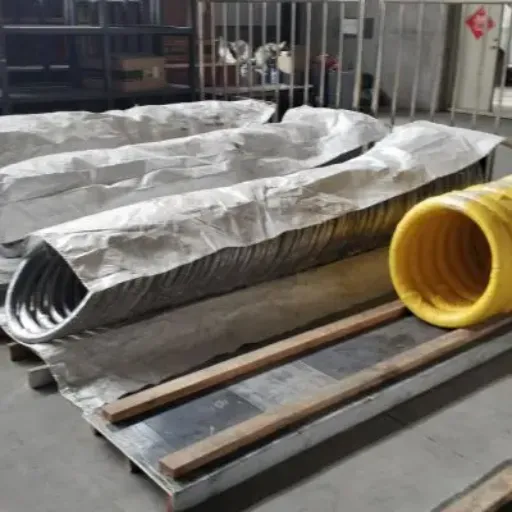
Understanding the fundamental magnetic properties of electrical pure iron wire enables informed material selection and optimal component design.
Coercivity (Hc) and Switching Performance
The measurement of coercivity establishes the magnetic field strength which must be applied until all magnetization reaches its saturation point. The process of magnetization and demagnetization becomes simpler when coercivity values decrease.
The practical application of coercivity establishes:
The switching speed increases when Hc values decrease because this allows quicker magnetic state transitions.
The drive power requirement decreases because less energy is needed for the system to achieve magnetization.
The residual magnetism shows lower remanence because the magnetic field becomes inactive.
DT4C shows better coercivity performance with its value of ≤32 A/m when compared to standard silicon steels which have a coercivity range of 200–400 A/m. The 10:1 advantage which pure iron offers to precision electromagnetic applications makes it the preferred material even though its cost exceeds other materials.
Magnetic Permeability and Flux Conduction
Magnetic permeability measures the ability of materials to transmit magnetic flux through their structure. Materials with higher permeability values create stronger magnetic fields because they enable:
Magnetic forces to increase without changing coil current values
Components to achieve the same performance level while reducing their size
Systems to achieve higher efficiency through improved magnetic circuit design
The DT4 series grades reach their maximum permeability values which extend from 7 5 mH m for DT4 to 15 0 mH m for DT4C. The values exceed the typical range of structural steels which shows 1 to 3 mH m because pure iron works better for electromagnetic core applications.
Saturation Flux Density (Bs)
Saturation flux density represents the maximum magnetic flux a material can carry. Pure iron achieves approximately 2.15 T, among the highest values for practical engineering materials. This property enables:
Compact component designs
High force density in actuators
Efficient magnetic circuit utilization
Hysteresis Loss Considerations
Hysteresis losses occur during cyclic magnetization as magnetic domains realign. The process creates heat loss together with efficiency reduction. The B-H hysteresis loop area establishes the energy loss that occurs in each cycle.
The narrow hysteresis loop of electrical pure iron wire leads to reduced losses. Pure iron decreases hysteresis losses by 60 to 80 percent when compared with standard steels which results in better component efficiency and thermal performance.
Eddy Current Suppression in Wire Bundles
Eddy currents which are created through changing magnetic fields generate energy losses and heating effects in AC systems. Wire bundles inherently limit eddy current magnitude because:
Thin wire diameter restricts current path length
Insulation between strands interrupts current circulation
Increased surface area-to-volume ratio reduces current magnitude
The wire bundle cores of AC solenoids which operate at 50/60 Hz experience 40-70% lower eddy current losses when compared to solid cores that have the same cross-sectional area. The operating frequency advantage increases with higher frequencies which makes wire form necessary for both high-frequency transformers and fast-switching systems.
Primary Applications by Industry
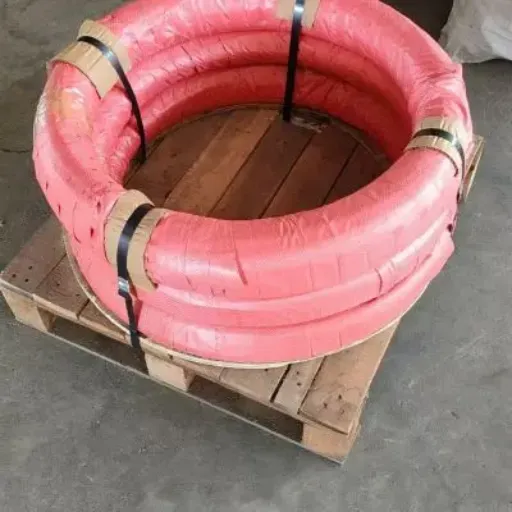
Solenoid Valves and Actuators
The operational needs of solenoid valves create the biggest market demand for electrical pure iron wire. The material functions as the movable armature core which interacts with coil activation.
The performance of AC-powered valves reaches its highest level when using thin wire bundles that contain 0.5 to 2.0 mm diameter strands. Research from Kobe Steel's technical division demonstrates that wire bundle construction reduces eddy current heating and enables faster response compared to solid cores. This information serves to support solenoid transmission control systems which need to achieve their operational response within a time frame of 5 to 10 milliseconds.
The selection of fast-acting pneumatic and hydraulic valves requires DT4C because its low coercivity property improves their operational performance. Standard industrial valves often use DT4 or DT4A, balancing performance against cost.
Processing Requirements: The production of solenoid cores requires cold heading or precision machining to achieve tight dimensional tolerances which range from 0.05 millimeters to 0.05 millimeters. The selected grade must maintain magnetic properties after these forming operations which typically require subsequent magnetic annealing.
Relay Cores and Electromagnetic Switches
Pure iron wire supplies the material necessary for relays to produce armature cores and yokes and pole pieces. The material properties directly determine how relays will function.
Latching Relays: These devices require minimal residual magnetism to ensure reliable release when de-energized. The low remanence of DT4C makes it the preferred material for latching relay applications because sticking would cause operational failure.
High-Speed Relays: Communication and signal relays switching at high frequencies need rapid magnetic response. The switching frequency of DT4E and DT4C grades exceeds 100 Hz because their low coercivity property enables performance at this level without major degradation.
Automotive Relays: The automotive sector demands wide temperature range performance and high reliability. Pure iron wire cores provide consistent magnetic properties from -40°C to 150°C, meeting automotive environmental requiremen
Transformer and Inductor Cores
While power transformers primarily use silicon steel because it provides better cost effectiveness, electrical pure iron wire exists for specific transformer applications that need to deliver outstanding performance.
Pulse Transformers: The fast rise times and low distortion requirements of pulse transformers benefit from pure iron's high permeability and low coercivity. The DT4E and DT4C grades produce sharper pulse edges while they create less droop.
Current Transformers: Precision current measurement requires highly linear magnetic response across operating ranges. Pure iron wire cores provide the necessary accuracy and stability for metering-grade current transformers.
Choke Coils and Filters: Inductors use pure iron wire to achieve high inductance levels with reduced core losses in their filtering and energy storage functions. The material's low hysteresis loss enables efficient high-Q inductor designs.
Automotive Electromagnetic Components
The automotive industry increasingly uses electrical pure iron wire because it provides essential support to their vital electromagnetic systems.
Fuel Injector Cores: Direct injection systems demand fast-acting solenoid valves which deliver accurate fuel metering capabilities. Pure iron wire cores provide the response speed and consistency needed for accurate fuel delivery across varying operating conditions.
Transmission Solenoids: Automatic and dual-clutch transmissions need their solenoids to operate with both speed and dependability. The wire bundle cores which use DT4C material fulfill the exacting response needs of contemporary transmission control systems.
Sensor Applications: Crankshaft position sensors and camshaft sensors plus other magnetic sensors use pure iron wire to function as flux concentrators. High permeability enhances sensor sensitivity and results in better signal quality.
Processing and Heat Treatment Requirements
Cold Drawing and Dimensional Tolerance
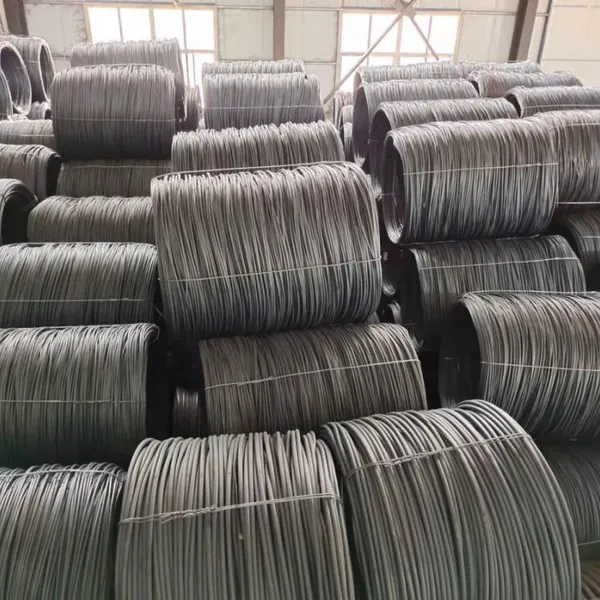
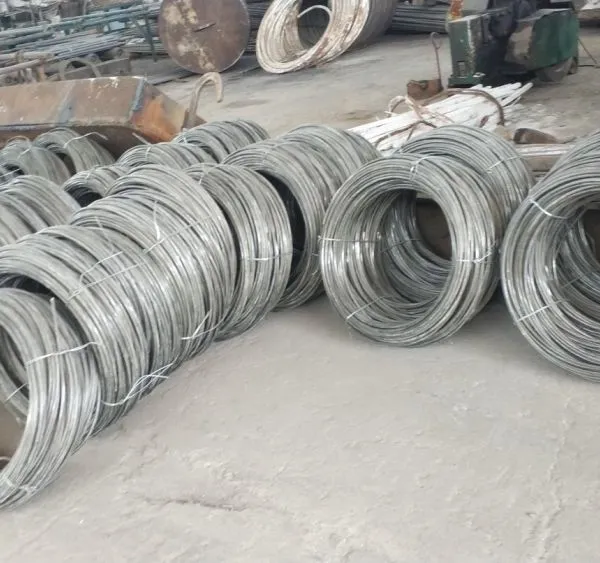
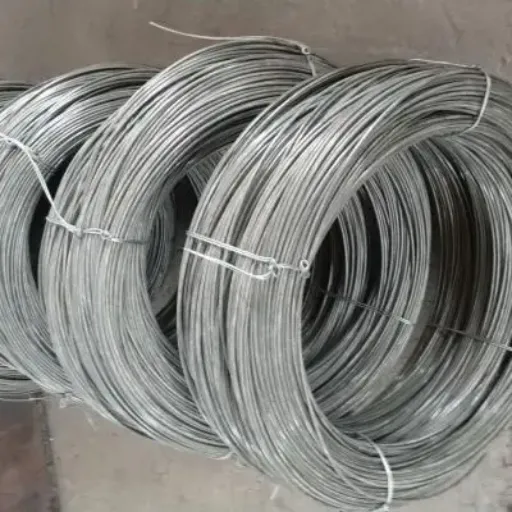
Electrical pure iron wire manufacturing typically starts with hot-rolled wire rod which has a diameter range between 6.5 mm and 42 mm. The process of cold drawing decreases the diameter to final sizes while it enhances both surface finish and dimensional precision.
The drawing process involves multiple drawing passes which require intermediate annealing to achieve final dimensions. Each drawing pass reduces diameter by 10–20%. The process of drawing causes work hardening which increases strength but needs to be managed because excessive hardness will make further processing difficult.
The process of cold-drawing pure iron wire produces standard grades with dimensional tolerances of ±0.05 mm and precision applications which achieve ±0.03 mm. The tolerances maintain consistent core dimensions which are essential for the proper functioning of solenoids and relays.
The process of drawing through precision dies creates smooth surfaces which are necessary for dependable equipment operation. Surface defects create stress concentrations which decrease component performance by interrupting magnetic flux patterns.
Magnetic Annealing Process
The process of cold working creates alterations to the crystal lattice structure which results in reduced magnetic properties. Through magnetic annealing process which uses specific temperature control methods magnetic properties reach their most favorable state.
Standard Process (GB/T 6983-2008):
Temperature: 1100°C
Atmosphere: The environment needs to maintain either dry hydrogen or complete vacuum conditions
Duration: The process requires between 4 to 8 hours
Cooling: The system needs to execute controlled cooling operations which will stop oxidation from occurring
The process of work hardening relief together with recrystallization and interstitial impurity removal leads to magnetic domain wall pinning elimination. Properly annealed material achieves the coercivity and permeability values specified for each grade.
Simplified Process: The annealing process requires no additional steps when materials contain carbon content at or below 0.007% because 850°C for 3 hours provides adequate treatment. The process decreases expenses yet delivers satisfactory magnetic characteristics needed for basic operational requirements.
Surface Quality and Coatings
The pure iron wire used in electrical applications needs corrosion protection because its high-purity form lacks the corrosion resistance found in alloyed steels. The standard protective methods that people use consist of the following options
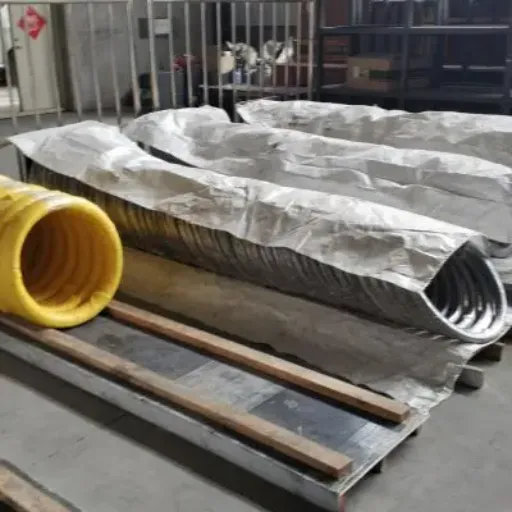
Phosphate coatings protect against corrosion while they create better lubricating properties for future forming processes. These coatings serve as standard protection for parts that will undergo additional cold heading and machining processes.
Oil coatings provide basic and low-cost protection which works well during storage and temporary handling. The product needs complete removal of its coating before use in applications that require protection against contamination.
Plating compatibility exists because pure iron wire can receive nickel zinc and other electroplated coatings which enhance its resistance to corrosion. The material's purity ensures good plating adhesion and uniform coating distribution.
Machining considerations
The working properties of electrical pure iron wire differ from standard steels because it has soft ductile properties.
Chip formation Pure iron produces continuous chips that differ from the segmented chips which harder materials produce. The combination of chip breakers and optimized tool geometry prevents the creation of long chip strings which disrupt machining operations.
Tool wear The softness of the material leads to quick tool wear because of built-up edge development on cutting tools. The effect gets reduced through the use of sharp polished cutting edges which have positive rake angles.
Surface finish The achievement of fine surface finishes depends on the selection of precise parameters. For better surface quality cutting speeds should be set 20 to 30 percent lower than the mild steel cutting speed range.
Post-machining annealing After machining work operations create work hardening and residual stresses, which lead to magnetic property loss. The components which need perfect magnetic performance must receive magnetic annealing treatment following the machining process.
Sourcing Electrical Pure Iron Wire: Buyer's Checklist
Key Specifications to Request
When requesting quotes for electrical pure iron wire, these two crucial parameters must be specified.
Material Grade: Clearly state DT4, DT4A, DT4E, or DT4C based on your application's magnetic performance requirements.
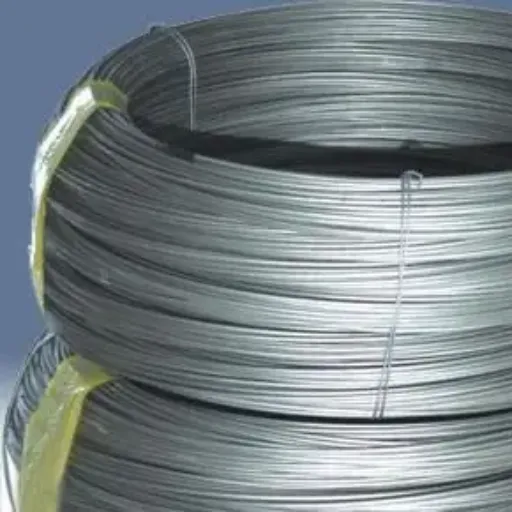
Dimensional Requirements: The dimensions of the product need to be defined through diameter tolerance and length measurements and specific measurement requirements which need to be met. Standard tolerances are ±0.05 mm; precision tolerances of ±0.03 mm require special processing.
Surface Condition: The request requires you to choose between three surface options which include bright finish (pickled and drawn) and black finish (hot-rolled) and coated surface.
Magnetic Properties: Request certified magnetic test data (coercivity, permeability) for the specific batch, not just grade specifications.
Heat Treatment State: The request requires you to choose between two material supply options which include annealed material for immediate use and unannealed material for processing before final annealing.
Supplier Evaluation Criteria
Assess potential suppliers against these criteria:
Material Traceability: The supplier must provide mill test certificates which show both chemical composition and magnetic property details to meet this requirement. Traceability ensures you receive material meeting specifications.
Grade Availability: The supplier must maintain stock of every DT4 series grade because all grades should be available for purchase. Full grade availability indicates technical capability and supply chain depth.
Processing Services: The supplier needs to offer services which include cutting and machining and heat treatment. Integrated processing reduces lead times and ensures consistent quality.
Quality Certification: Look for ISO 9001 certification and compliance with GB/T 6983-2008 or equivalent standards. Third-party testing capabilities add confidence.
Supply Stability: Assess inventory levels and production capacity. Sole-source dependency creates risk so your supplier needs to demonstrate capacity for delivery during periods of increased demand.
Quality Documentation Requirements
Essential documentation for incoming material inspection:
Mill test certificate with chemical composition
Magnetic property test report (coercivity, permeability)
Dimensional inspection report
Heat treatment certificate (if applicable)
Material traceability records
Review these documents against your specifications before accepting material. Reject batches that deviate from specified ranges, as magnetic properties significantly impact component performance.
MOQ and Lead Time Considerations
Minimum Order Quantities: Pure iron wire suppliers require their customers to order between 1 and 5 tons for standard wire sizes. Custom dimensions or special grades may require higher minimums or setup charges.
Lead Times: Standard grades in common sizes typically ship from stock with 1–2 week lead times. Custom processing which includes cutting and machining and heat treatment requires 2 to 4 weeks.
Inventory Strategy: Safety stock should be maintained for all critical applications. Pure iron wire maintains its shelf life indefinitely when it receives proper storage and protection from corrosion.
Conclusion
The magnetic requirements of electrical components are satisfied through the use of pure iron wire. The DT4 series provides a graduated range of options from cost-effective standard grades to premium performance materials, enabling precise matching of material capabilities to application requirements.
Key takeaways from this guide:
Grade selection directly impacts performance: DT4C's coercivity of ≤32 A/m enables switching speeds and efficiency that standard grades cannot match
Wire form offers unique advantages: Bundled wire construction reduces eddy current losses in AC applications compared to solid cores
Processing determines final properties: The combination of cold drawing and magnetic annealing processes determines the electromagnetic properties of raw materials which transform into finished components
Quality verification matters: Request certified magnetic property data, not just grade specifications, to ensure material meets your requirements
The material you specify today determines the reliability and efficiency of your products for years to come. The selection of the right grade and supplier requires your time because material substitutions and specification gaps lead to performance issues and field failures.
Frequently Asked Questions (FAQs)
Does 99.99% pure electric iron wire occur in electrical form?
Electrically pure iron wire is commonly used in 99.99% purity grade for the bigger, demanding applications in electronics and research. With iron contents for the grade in question reaching 99.99%, the fewer impurities there are; oxygen (oxides), carbon, or trace metals are added-and may develop disruptive properties workers are known for: improved thermal conductivity, greater control over electrical resistance stability, and reduced liability to oxidation or rusting. This material is wire drawn from ingot or rod by suppliers under controlled atmospheres to prevent free vapor and evaporation contamination during deposit or PVD base manufacture.
May I get electrical pure iron wire in bulk or some grade of 99.9%?
99.9% pure commercial grade ferric iron wire is how it is also termed which is used when a little more contamination is acceptable. Ninety-nine point nine percent pure iron is less expensive than 99.99 percent plus suitable for much of the electronics, electromagnet components, and experimental setups. Coils, a series of solid spherical iron rods, or iron wire can be employed for extensive applications. They may be sourced from pig iron that has been refined and cast into ingots before drawing. Whether or not a small increase in oxide or trace elements really will impact your detection limit, magnetite/hematite formation, or thermal performance can be your bonus.
How do wire gauge and rod treatments affect the conductivity of electrical iron wire?
Wire gauge and the processing history of the rod or ingot powerfully affect the electrical and magnetic behavior. Thinner gauges have usually undergone more cold working and drawing, resulting in the alteration of electron scattering with only a slight increase in resistivity. Annealing may be necessary to restore higher conductivity and relieve internal stresses. Fresh wire drawn from a clean rod or solid iron ingot with tight oxygen-tight control should have a more consistent thermal conductivity and possibly lower scattering due to defect than that of wire formed by powder metallurgy, filings, etc.
Oxidation and/or rust are a problem when producing high-purity Fe-graded electrical wire. How can oxidation and rusting be prevented in this case?
The wire oxidizes with surface oxides (magnetite or hematite) even though high purity iron is used. Rust is visible when moist conditions allow. To prevent oxidation, keep wire in an inert packaging or apply thin protective coatings like specialized varnishes or PVD-deposited barriers and then store in a dry, low-oxygen environment. In instances succumbing to oxide contamination due to the chemical detection or nanoparticle enablement, it is trade-based to handle within gloveboxes or use vacuum evaporation or vapor deposition techniques to circumvent as much exposure.
Recently Posted
-
Industrial Pure Iron vs. Armco Iron: Terminology, History, and Modern Equivalents
September 2, 2026Not long ago, a European motor manufacturer opened an aging drawing for a magnetic shielding housing and found the material callou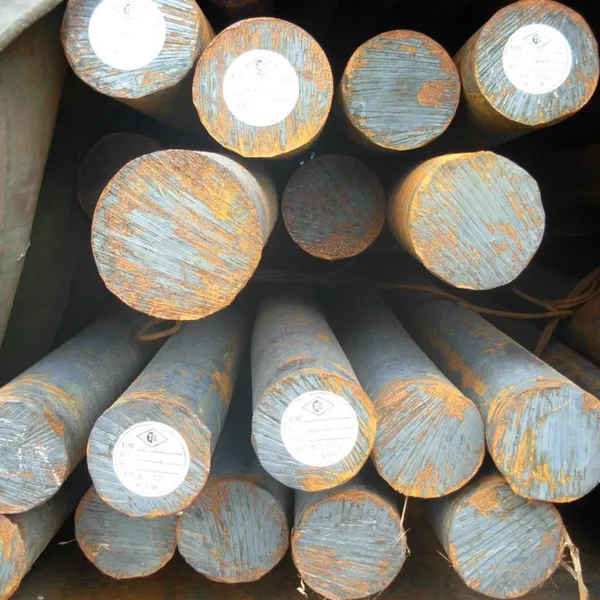 Read More
 -
Shanxi Jurun Technology: Your Electromagnetic Pure Iron Partner from Taiyuan, China's Pure Iron Prod
August 14, 2026When an international buyer searches for electromagnetic pure iron, they are not just looking for a material. They are looking for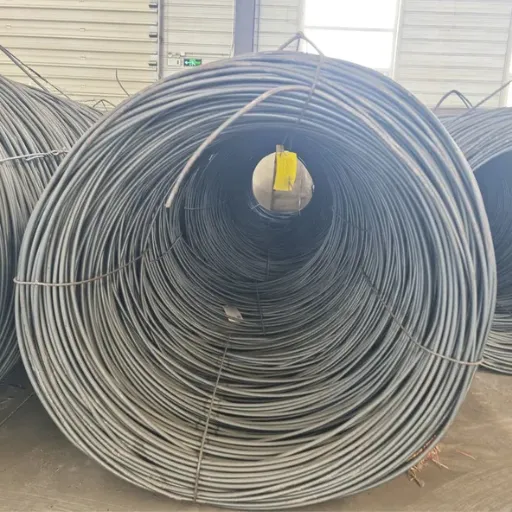 Read More
 -
Cold Drawing Process for Electromagnetic Pure Iron Wire: How Wire Rod Becomes Precision Cold-Drawn W
August 13, 2026Not long ago, a solenoid valve manufacturer in Italy received a shipment of 5.5 mm electromagnetic pure iron cold-drawn wire inten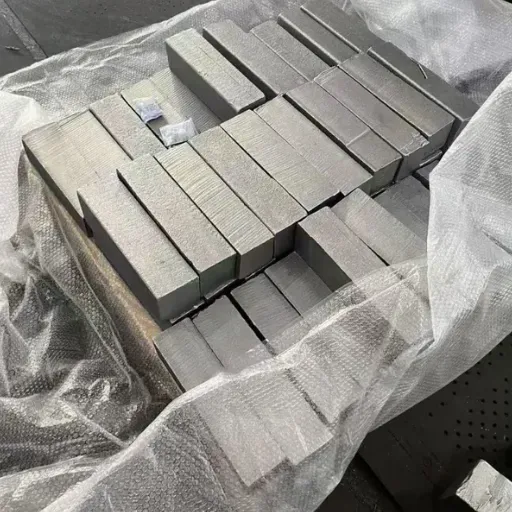 Read More
 -
How to Choose a Food Vacuum Sealer Supplier in China: 8 Evaluation Criteria
August 13, 2026An e-commerce brand owner in the UK contacted us some time ago after a supplier relationship fell apart. They had sourced roughly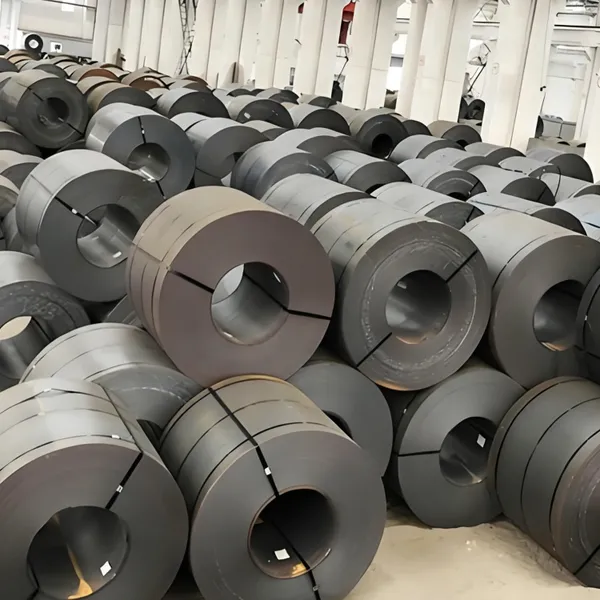 Read More

Contact Us
Recommended Products
-
 Seamless Tube With Good Cold Electrical Pure Iron Fittings Hot Workability for Forming Fittings and ConduitsNegotiableMOQ: 1 Ton
 -
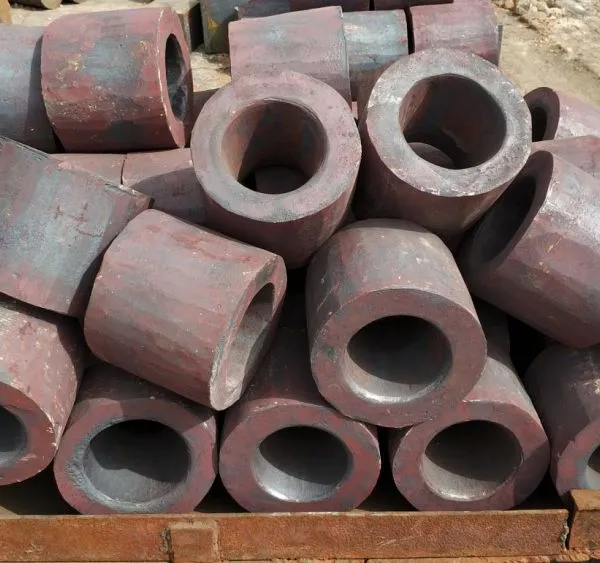
Electromagnetic Pure Iron Forging for Automotive Sensor ManufacturingNegotiableMOQ: 100 Kilograms
-
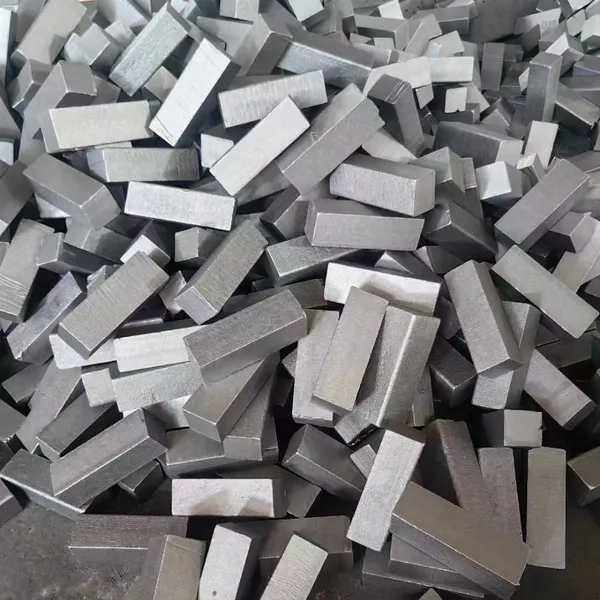
Precision Cut Pure Iron Square Bar High Saturation Induction Raw Material for Generator and RotorNegotiableMOQ: 100 Kilograms
-
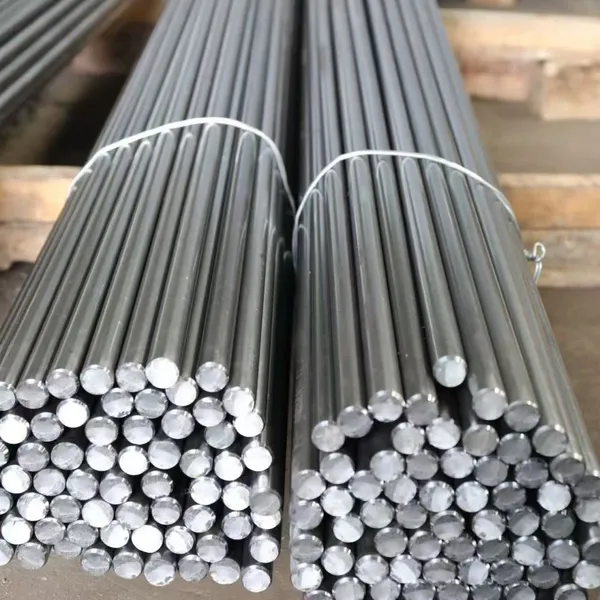
DT4C Super Grade Electromagnetic Pure Iron Bright Bar With Bundle Weight 30-100kg for Easy TransportationNegotiableMOQ: 1 Ton
-
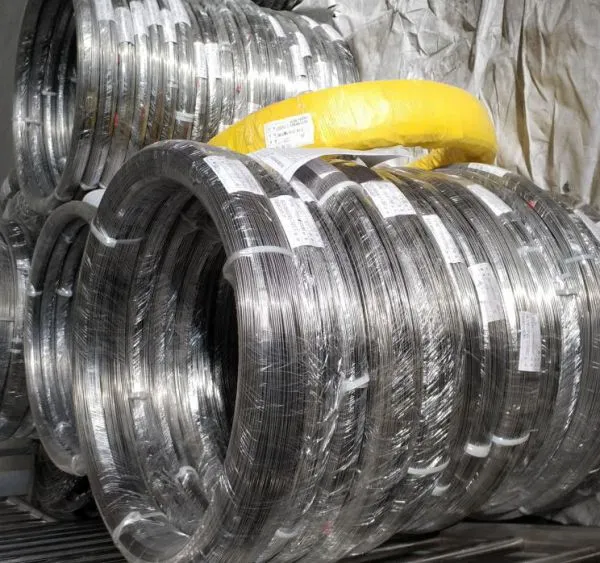
DT4C Electromagnetic Pure Iron Cold-Drawn Wire 0.5mm-6.0mm Diameter for TransformersNegotiableMOQ: 100 Kilograms
-
Industrial Pure Iron Bar for Electromagnetic Relay and Sensor ProductionNegotiableMOQ: 1 Ton
-
Electromagnetic Pure Iron Thin Sheet 0.3mm-0.8mm for Solenoid and Relay ManufacturingNegotiableMOQ: 500 Kilograms
-
Electrical Pure Iron Hot-Rolled Coil for Magnetic Components With Low Iron LossNegotiableMOQ: 1 Ton
-
Low Carbon DT4C Pure Iron Round Bar With 99.8% Fe Content for Electrical ApplicationsNegotiableMOQ: 1 Ton
-
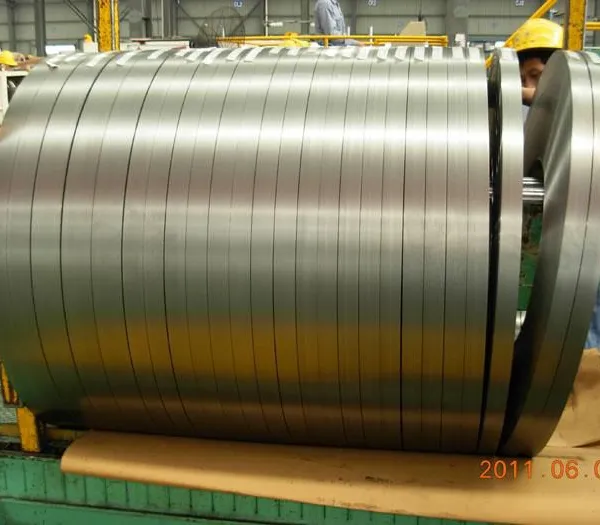
Cold Rolled Pure Iron Slit Coil DT4C Grade Ultra Low Carbon ≤0.004% for Magnetic ComponentsNegotiableMOQ: 1 Ton
-
Low Iron Loss Electromagnetic Pure Iron Hot-Rolled Coil DT4C for Transformer CoresNegotiableMOQ: 1 Ton
-
Soft Magnetic Pure Iron Sheet With Minimum Iron Loss for High-Efficiency MotorsNegotiableMOQ: 1 Ton
-
Electromagnetic Pure Iron Cold Rolled Coil DT4C for High Magnetic Permeability ApplicationsNegotiableMOQ: 1 Ton
-
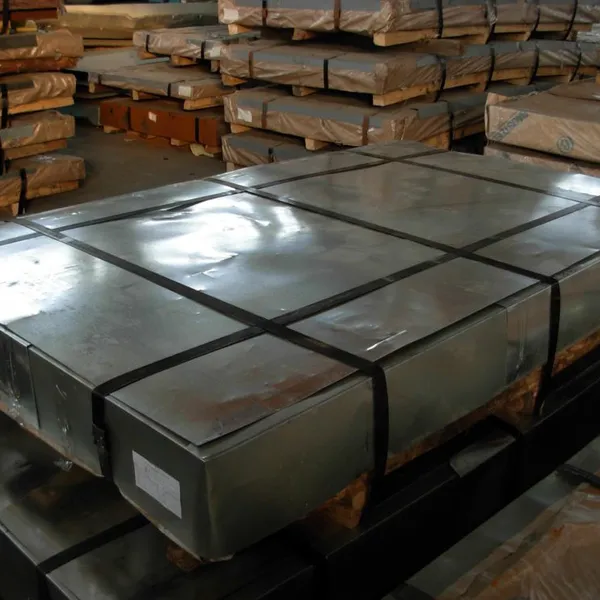
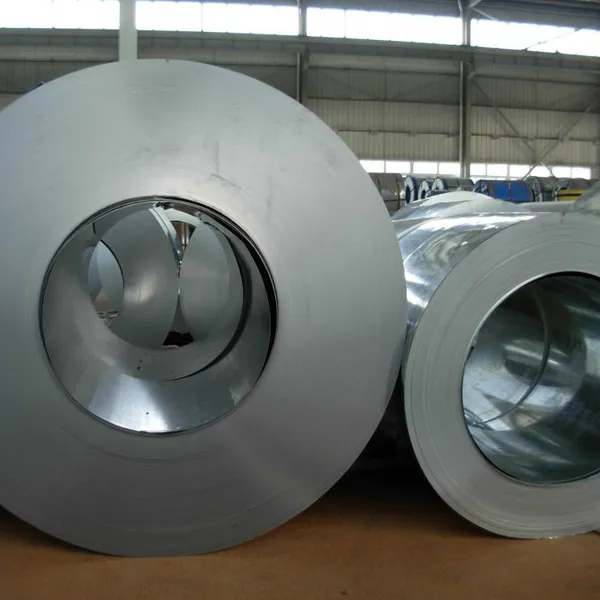
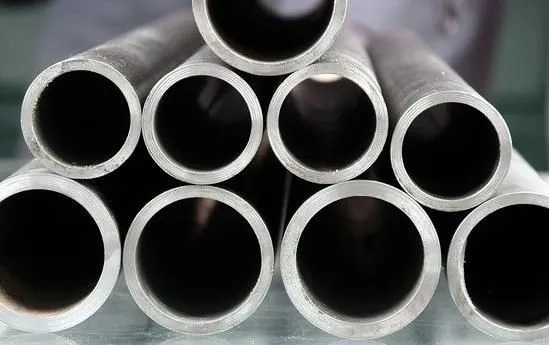
Industrial Pure Iron Tube Superior Surface Quality Electromagnetic Pure Iron Tube for Welding and Plating ProcessesNegotiableMOQ: 1 Ton
-
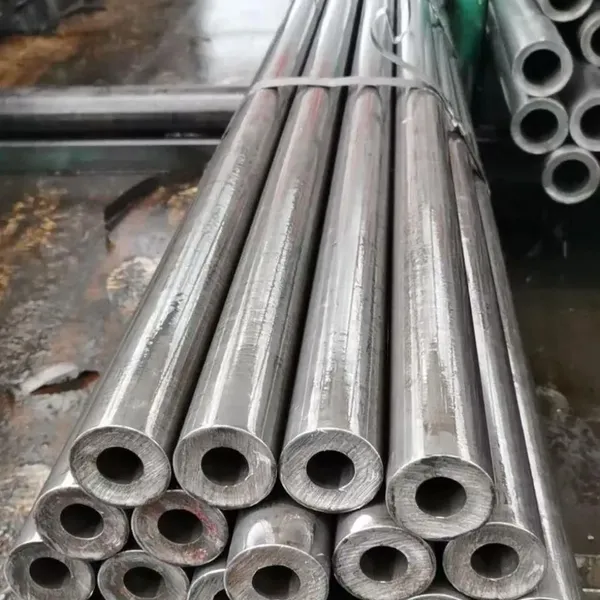
DT4 Seamless Pure Iron Tubing for High-Performance Electrical Equipment ApplicationsNegotiableMOQ: 1 Ton
-
DT4C Iron Wire Rod for Precision Magnetic Shielding ApplicationsNegotiableMOQ: 100 Kilograms
-
Industrial Pure Iron Fittings DT4 Pure Iron Seamless Tube With Low Hysteresis Loss for Electromagnetic SystemsNegotiableMOQ: 1 Ton
-
DT4C Cold Rolled Coil Slitting for Electrical Enclosure ManufacturingNegotiableMOQ: 1 Ton
-
Anti Rust Coated Pure Iron Square Bar Low Carbon Raw Material for Welding and Forging Magnetic PartsNegotiableMOQ: 100 Kilograms
-
DT4 Pure Iron Cold-Drawn Wire 0.5mm-6.0mm Diameter for Precision EngineeringNegotiableMOQ: 500 Kilograms